

There are crowds, constant movement, layers of activity — but everything seems to follow...
Read More
What you think you know
Before coming to Rome, it feels like you already know the food.
Pasta. Pizza. Maybe a few familiar names — carbonara, cacio e pepe, amatriciana. Dishes that have traveled far beyond Italy, recreated in different forms, adapted, sometimes simplified, sometimes changed entirely.
So when you arrive, part of you expects confirmation.
You expect the food to be good — maybe even better than what you’ve had before — but still recognizable.
And it is recognizable.
But it’s also… different.
Not in a dramatic way. Not in a way that feels completely new.
More in the way that something familiar becomes clearer when you see it where it belongs.
Simplicity that isn’t accidental
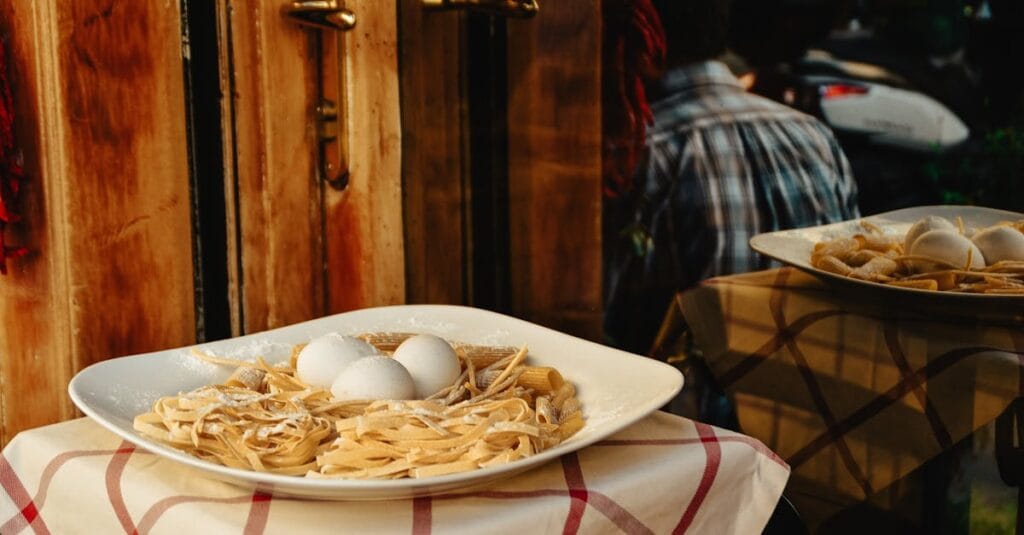
One of the first things you notice is how simple everything seems.
A few ingredients. Minimal presentation. No unnecessary additions.
At first, it might feel almost too simple.
But that simplicity isn’t a limitation.
It’s intentional.
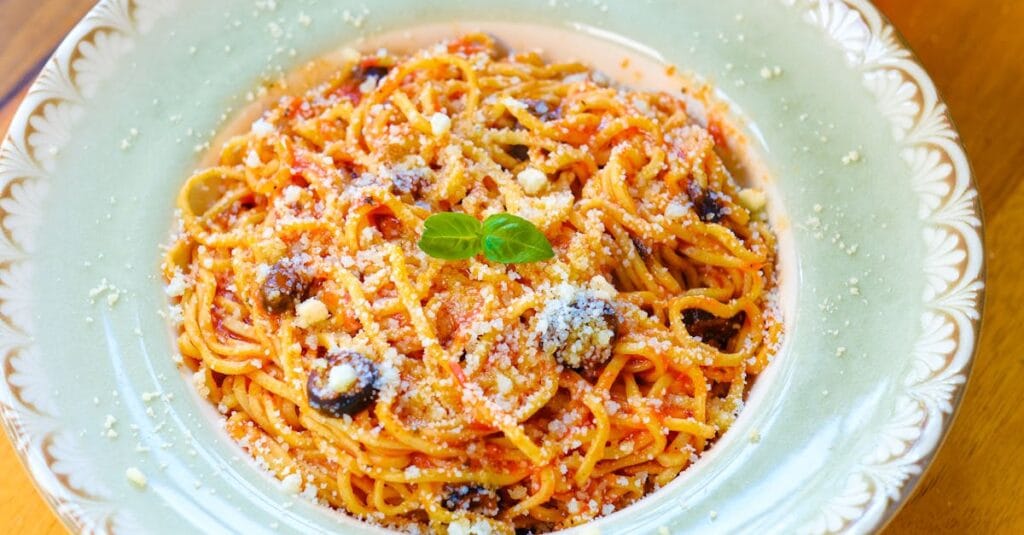
Roman dishes often rely on just a handful of ingredients — pasta, cheese, pepper, eggs, cured meat — but each one matters. There’s no space to hide mistakes or compensate with complexity.
Everything has a role.
And the result isn’t about surprise.
It’s about balance.
Recipes shaped by history
The more you look into it, the more you realize that Roman food isn’t just about taste.
It’s about history.
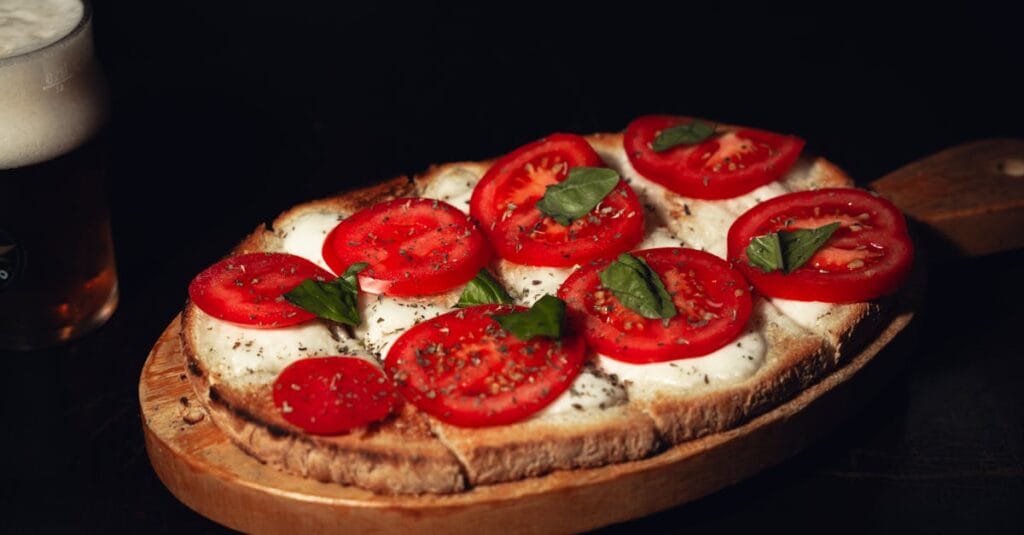
Many dishes come from practical origins — shaped by what people had access to, what they could preserve, what they could afford.
Ingredients weren’t chosen for variety.
They were chosen because they were available.
And over time, those combinations became tradition.
What might seem simple now is the result of years — sometimes centuries — of refinement.
Not through innovation, but through repetition.
Eating as a shared moment
Food in Rome isn’t just about what’s on the plate.
It’s about how it’s experienced.
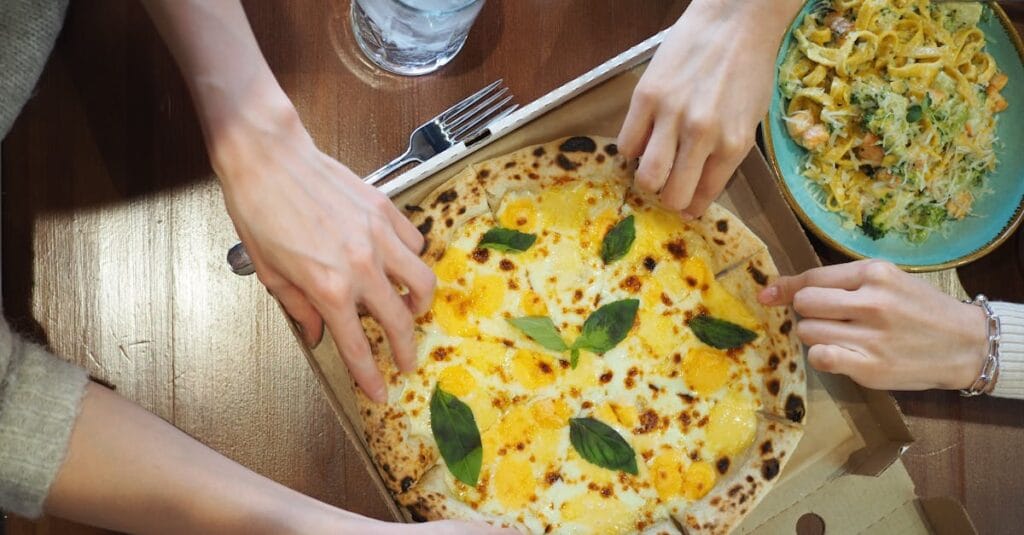
Meals are rarely rushed. People sit, talk, share, and move through courses slowly. There’s a natural rhythm to it — one that doesn’t feel structured, but still unfolds in a certain order.
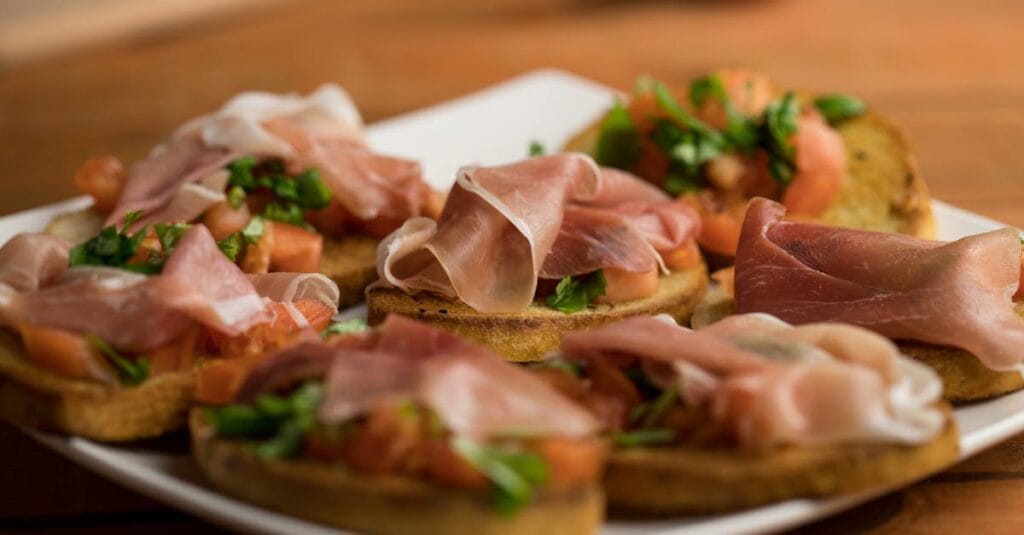
First, something small.
Then pasta.
Then something else.
Wine throughout.
Conversation fills the space between each course.
And the meal becomes more than just eating.
It becomes time spent together.
The importance of doing things “the right way”
At some point, you start to notice that there are unspoken rules.
Not written, not explained directly — but present.
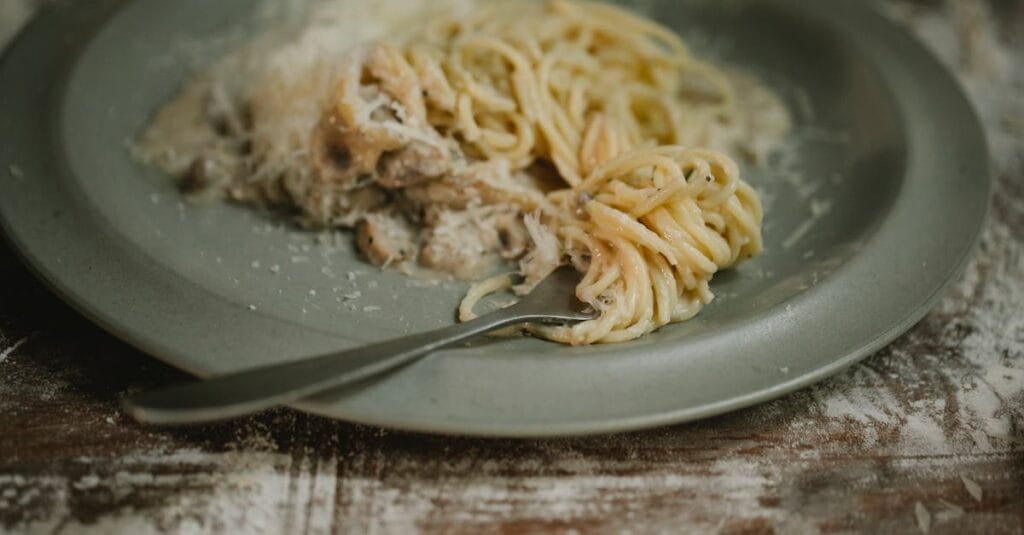
Carbonara doesn’t have cream.
Cacio e pepe is made a certain way.
Ingredients aren’t easily substituted.
It’s not about strictness for the sake of it.
It’s about respect.
Respect for the dish, for the method, for the idea that something that has worked for so long doesn’t need to be reinvented.
And while this might feel limiting at first, it also creates consistency.
A sense that what you’re eating belongs exactly where you are.
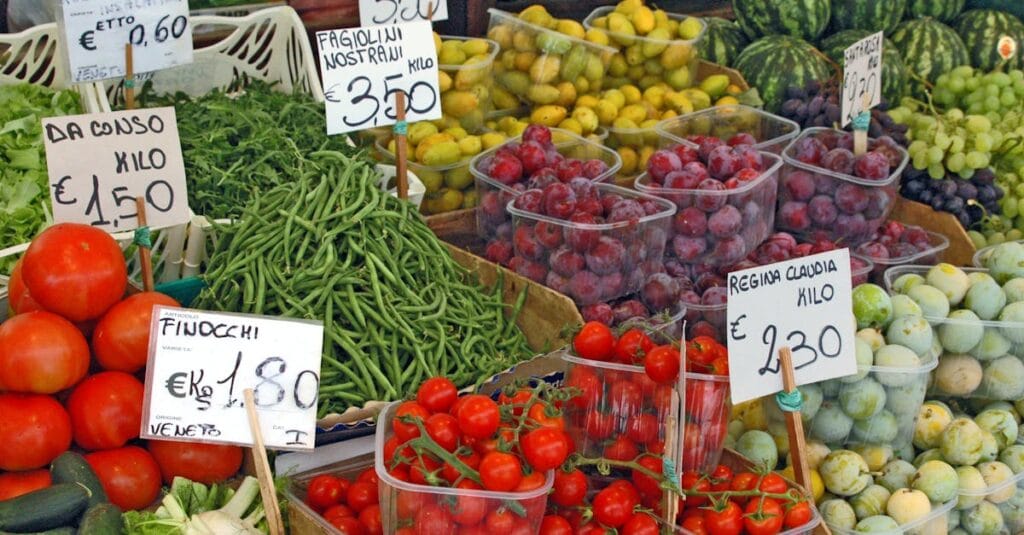
Markets, ingredients, and everyday choices
To understand Roman food, you also have to look beyond restaurants.
Markets play a big role.
Fresh vegetables, cheeses, cured meats — everything is laid out in a way that feels both abundant and focused. There’s variety, but not excess.
People shop with intention.
They know what they’re looking for. They choose ingredients that fit into familiar patterns — meals they’ve made many times before.
And that connection between ingredients and routine is part of what shapes the food culture.
Not everything is about perfection
What stands out isn’t perfection.
Plates aren’t always styled. Spaces aren’t always polished. Meals don’t feel curated for presentation.
And yet, the experience feels complete.
Because the focus isn’t on appearance.
It’s on the food itself, the moment, and the people around the table.
There’s a kind of confidence in that simplicity.
Nothing needs to be exaggerated.
Familiar, but more meaningful
By the end of it, the dishes are no longer just dishes.
They’re connected to everything around them — the city, the people, the routines, the history.
What once felt familiar starts to feel more specific.
More grounded.
More tied to place.
And that changes how you experience it.
What we took with us
We came to Rome expecting great food.
We left thinking about how food fits into daily life.
About simplicity — not as something basic, but as something intentional.
About tradition — not as something rigid, but as something that gives meaning.
And about how a meal can be more than just something you eat.
It can be a way of understanding a place.
Read More Stories
Street Food in Bangkok: Markets, Movement, and Conversations
Along sidewalks, at intersections, inside markets, outside shops — food appears wherever there’s space...
Read More
Food, Landscape, and Identity: Eating Across South Africa
Mountains, coastline, open land, vineyards each environment brings something different.
Read More