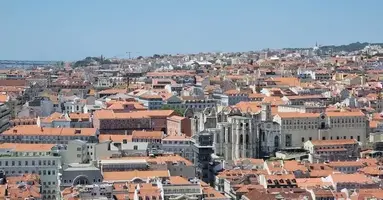
Lisbon and Its Slow Rhythm: A City That Moves Differently
Whether it’s a short exchange at a café or a longer conversation that unfolds slowly, there’s a sense that time isn’t something being managed.


Whether it’s a short exchange at a café or a longer conversation that unfolds slowly, there’s a sense that time isn’t something being managed.

Pasta. Pizza. Maybe a few familiar names — carbonara, cacio e pepe, amatriciana. Dishes that have traveled far beyond Italy, recreated in different forms, adapted, sometimes simplified, sometimes changed entirely.
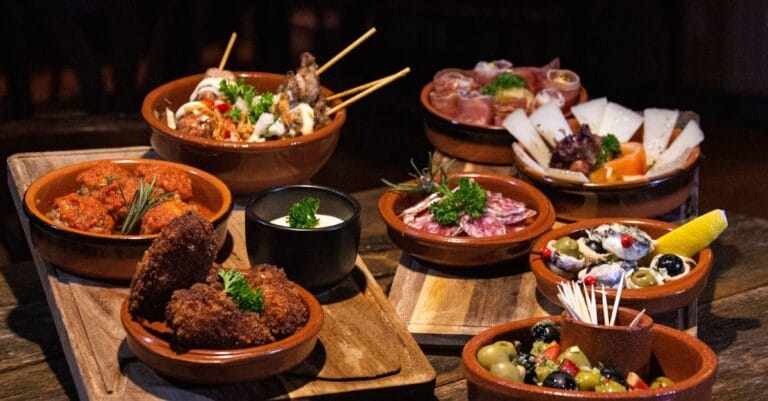
Just a general idea: to move through the city slowly, stopping where it feels right, eating what looks good, and seeing what unfolds along the way.
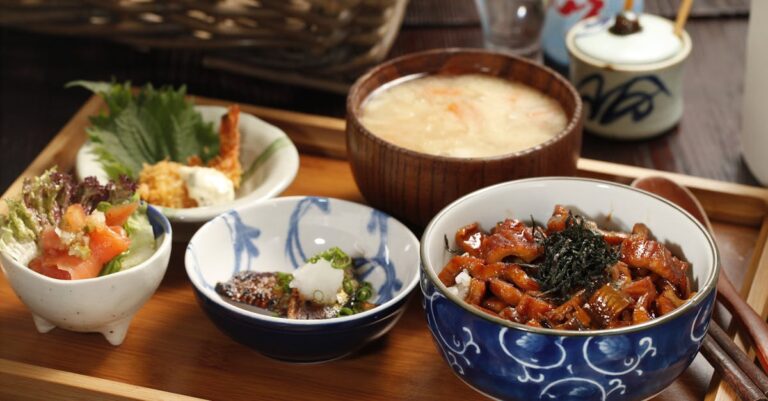
There’s attention in everything — from preparation to presentation, from how something is served to how it’s received.
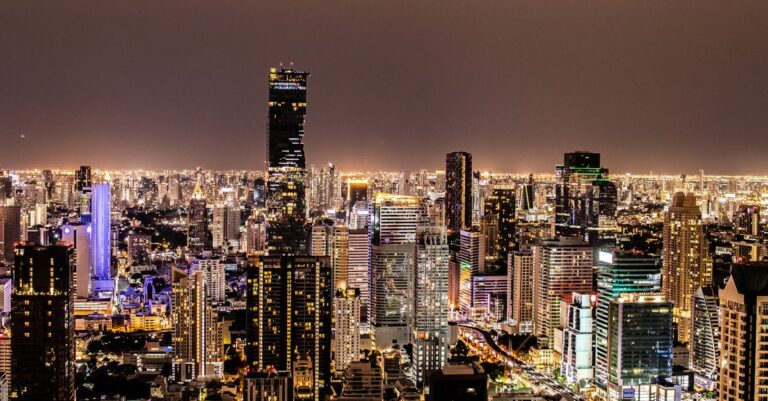
Traffic fills the streets — cars, tuk-tuks, motorbikes weaving through spaces that don’t seem designed to hold them all.
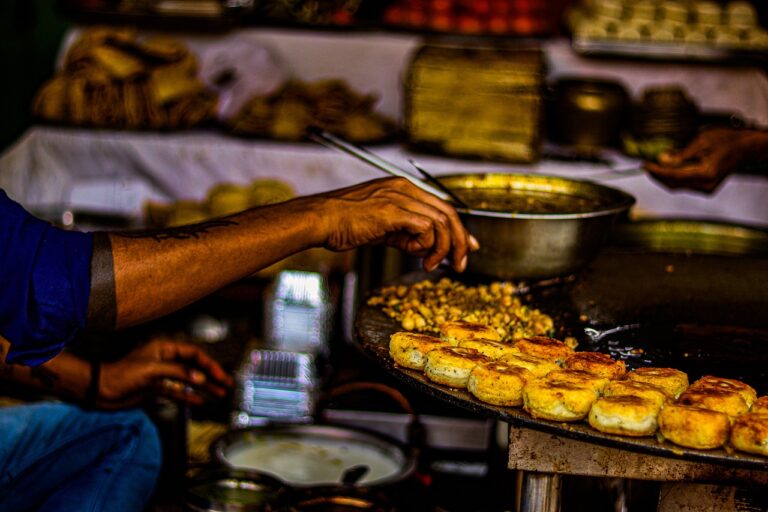
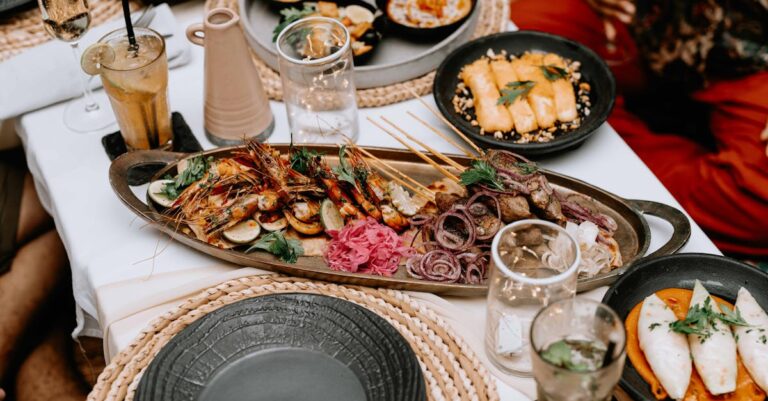
A meal reflects where you are, who prepared it, and the traditions that shape it. Even a simple plate can hold multiple elements — different flavors, textures, and combinations that exist together rather than separately.
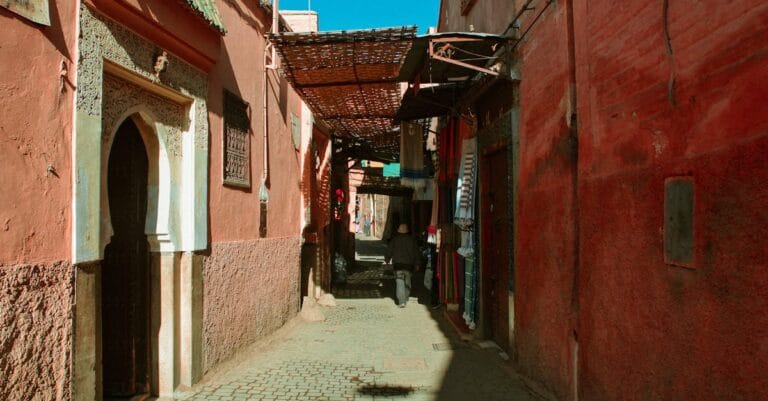
Streets curve, split, reconnect. Corners appear unexpectedly. Pathways narrow to the point where two people passing each other becomes an interaction.
Mountains, coastline, open land, vineyards each environment brings something different.
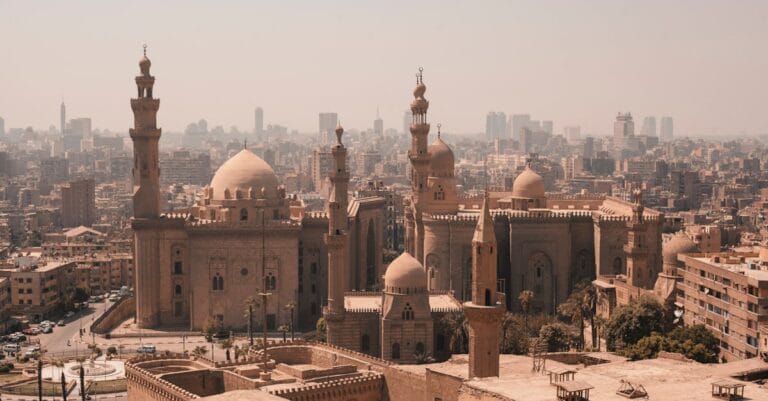
Cairo isn’t defined by its landmarks. It’s defined by its movement. By the w
ay people navigate space. By the way life unfolds in public. By the way chaos and rhythm exist at the same time
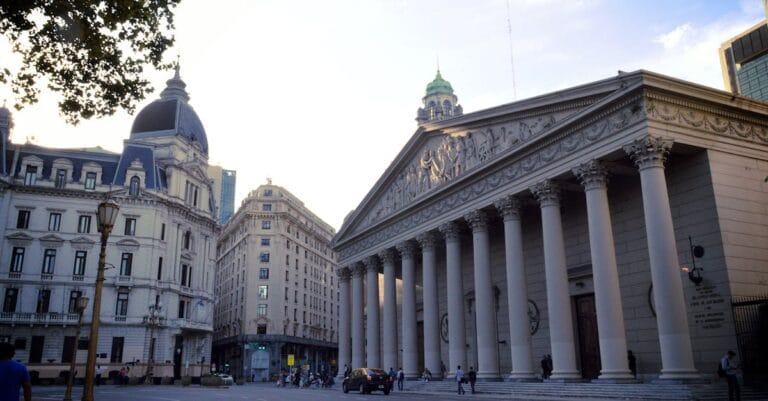
Wide avenues. Elegant façades. Balconies with iron details. Buildings that resemble something you might expect to find in Paris or Madrid.
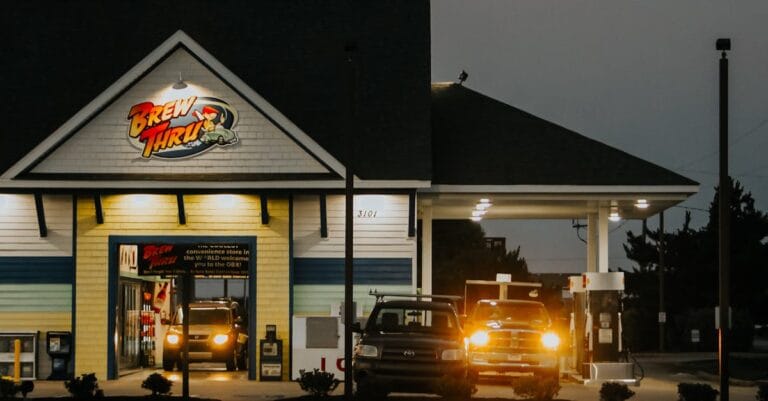
Over time, it becomes clear that all of this — the diners, the motels, the highways — is connected.
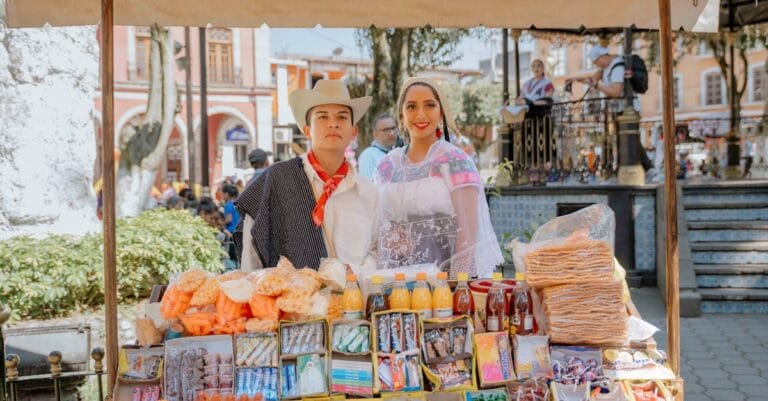
Stalls appear on corners, along sidewalks, next to markets, outside metro stations. Some are permanent, others feel temporary, but all of them are part of the same rhythm.
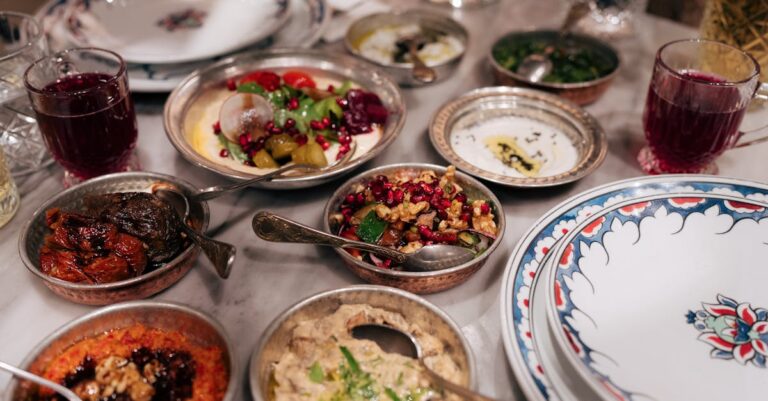
In Istanbul, food doesn’t begin with a single dish. It begins with a table. A spread that builds gradually — bread, cheese, olives, vegetables, tea poured into small glasses.
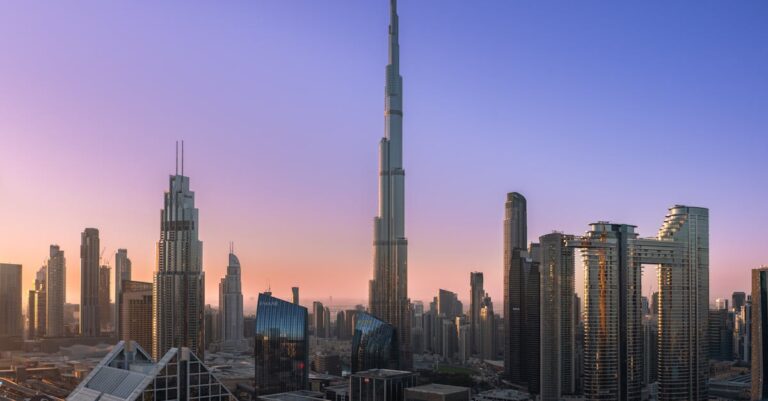
Glass towers. Clean lines. Buildings that feel designed to stand out rather than blend in. Everything looks intentional. Precise. Controlled. Built to be seen.
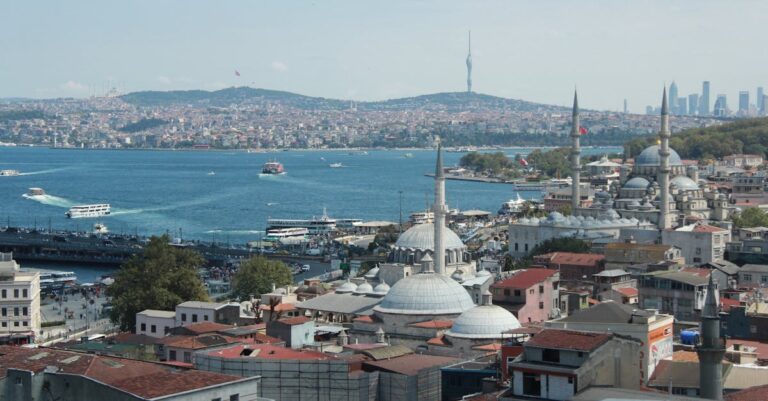
Istanbul is often described as a bridge. Between Europe and Asia. Between East and West. But that idea feels too simple once you’re there.