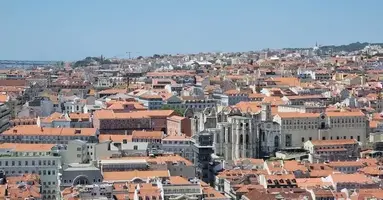
Lisbon and Its Slow Rhythm: A City That Moves Differently
Whether it’s a short exchange at a café or a longer conversation that unfolds slowly, there’s a sense that time isn’t something being managed.

Whether it’s a short exchange at a café or a longer conversation that unfolds slowly, there’s a sense that time isn’t something being managed.

Just a general idea: to move through the city slowly, stopping where it feels right, eating what looks good, and seeing what unfolds along the way.
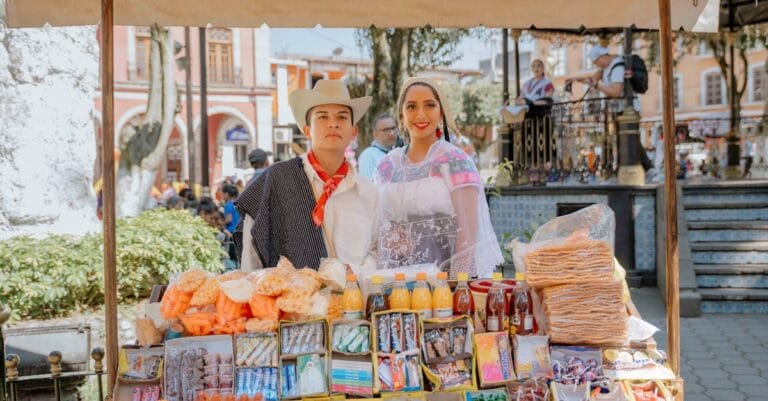
Stalls appear on corners, along sidewalks, next to markets, outside metro stations. Some are permanent, others feel temporary, but all of them are part of the same rhythm.
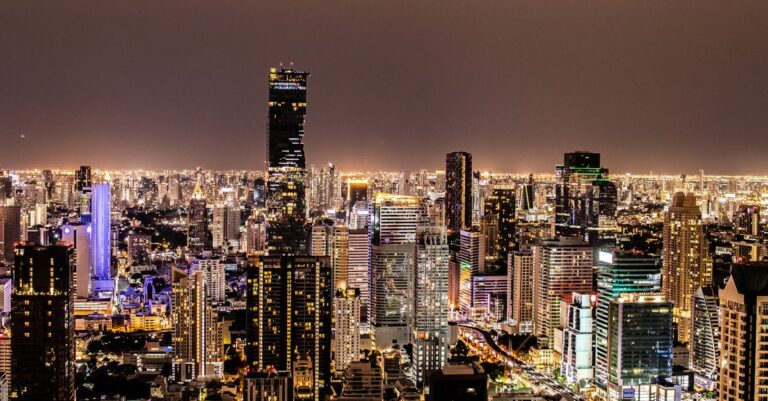
Traffic fills the streets — cars, tuk-tuks, motorbikes weaving through spaces that don’t seem designed to hold them all.
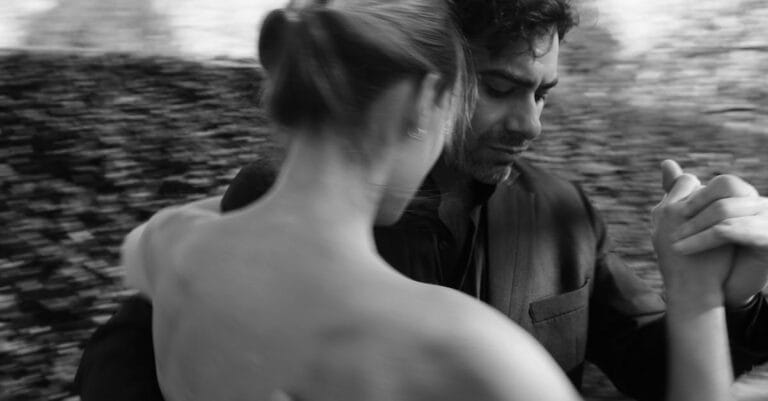
You’ve seen it — on stages, in videos, in carefully framed performances where everything is precise, dramatic, and controlled.
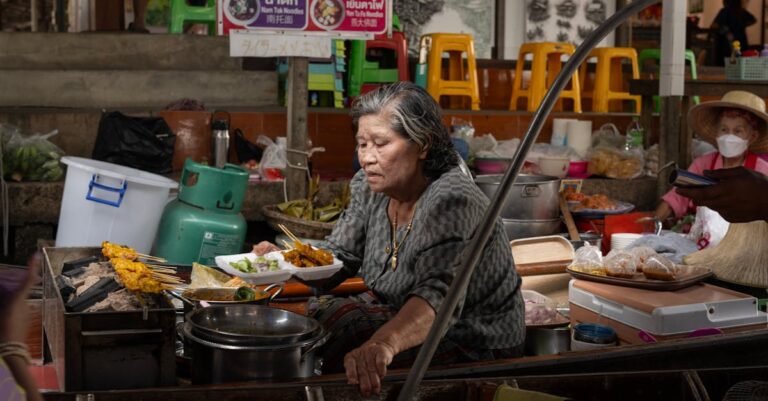
Along sidewalks, at intersections, inside markets, outside shops — food appears wherever there’s space for it.
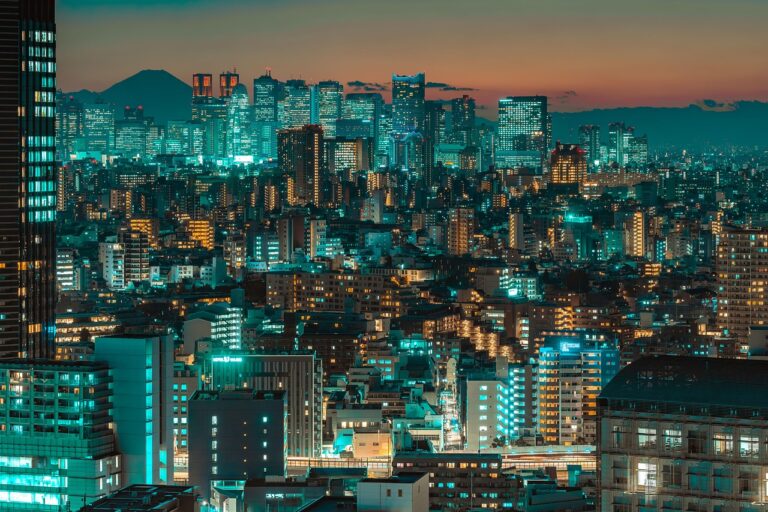
There are crowds, constant movement, layers of activity — but everything seems to follow an order that isn’t immediately explained.
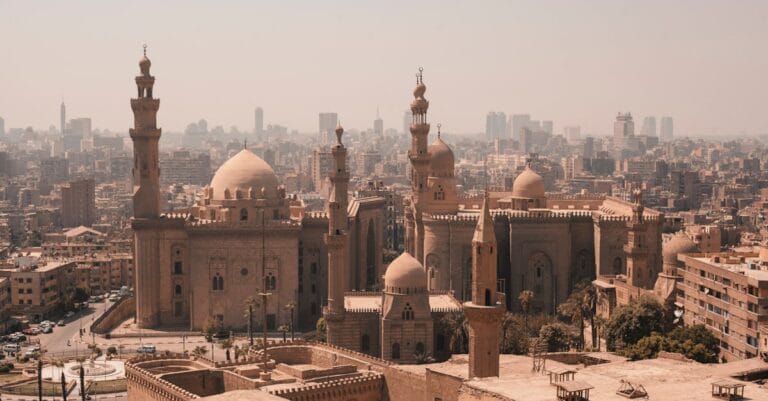
Cairo isn’t defined by its landmarks. It’s defined by its movement. By the w
ay people navigate space. By the way life unfolds in public. By the way chaos and rhythm exist at the same time

A table is set. Bread appears first, almost automatically. Wine is poured without much discussion. Plates arrive one after another, sometimes faster than you can keep track of.