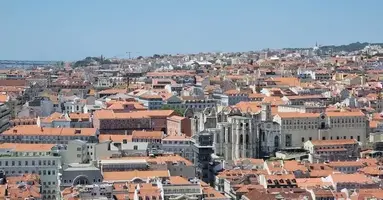
Lisbon and Its Slow Rhythm: A City That Moves Differently
Whether it’s a short exchange at a café or a longer conversation that unfolds slowly, there’s a sense that time isn’t something being managed.

Whether it’s a short exchange at a café or a longer conversation that unfolds slowly, there’s a sense that time isn’t something being managed.
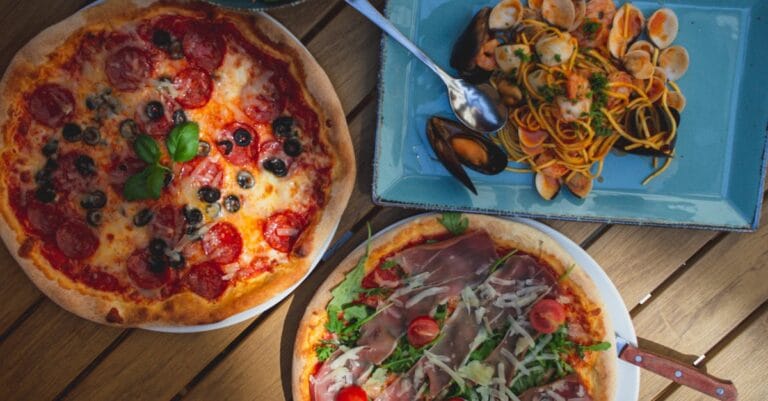
Pasta. Pizza. Maybe a few familiar names — carbonara, cacio e pepe, amatriciana. Dishes that have traveled far beyond Italy, recreated in different forms, adapted, sometimes simplified, sometimes changed entirely.
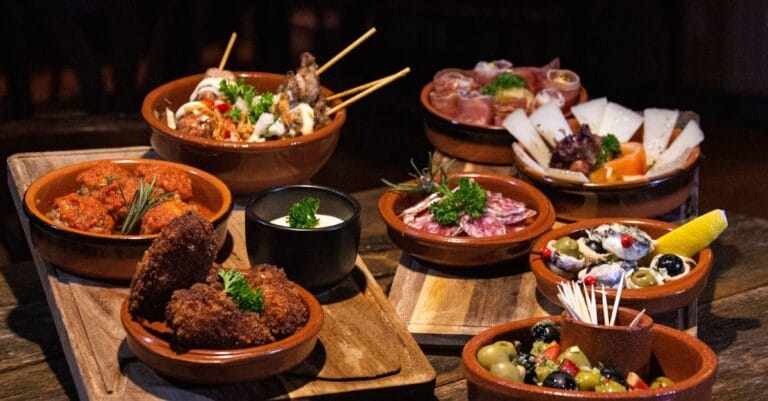
Just a general idea: to move through the city slowly, stopping where it feels right, eating what looks good, and seeing what unfolds along the way.
Meals aren’t styled. Spaces aren’t curated for appearance. There’s no sense that everything needs to look a certain way.
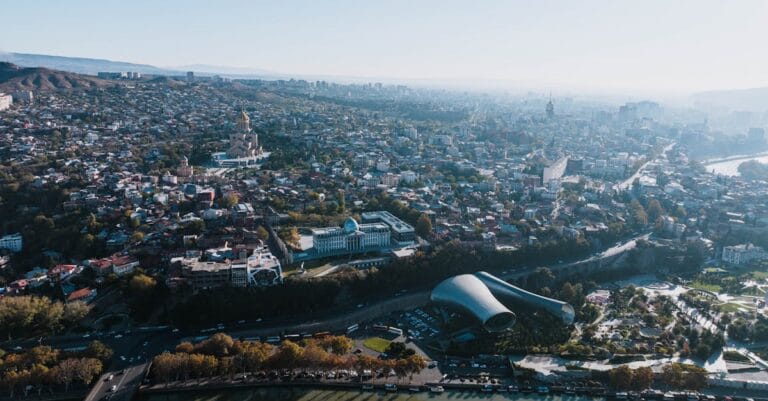
Old wooden balconies leaning slightly forward. Brightly colored houses stacked along the hills. Glass and steel structures appearing in the distance. Streets that feel both familiar and unfamiliar at the same time.
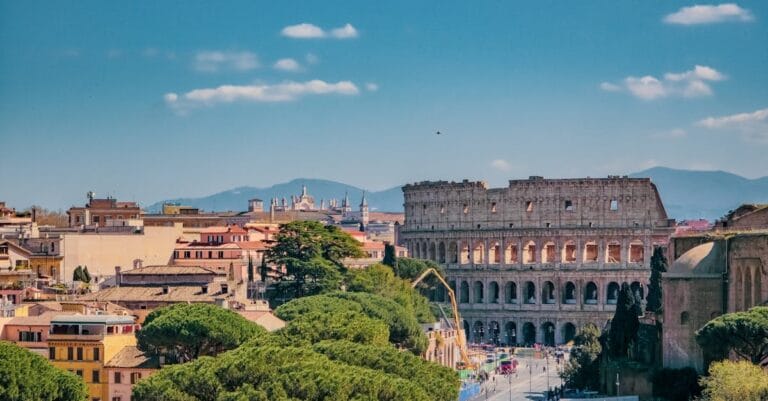
It doesn’t sit behind glass or stay confined to museums. It’s not something you visit for a few hours and then leave behind.
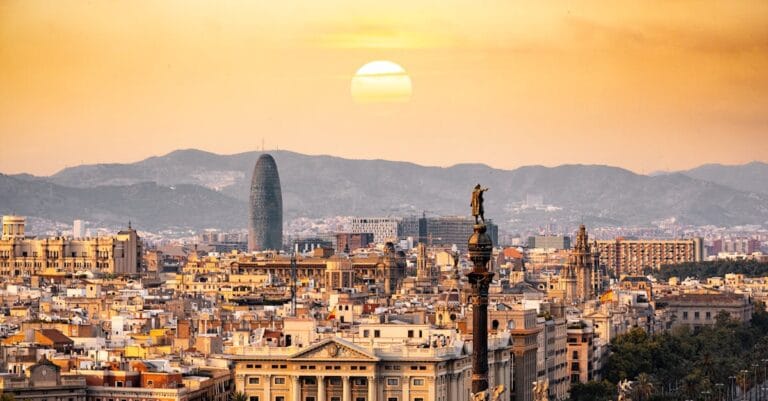
From Gaudí’s organic forms to the structured grid of the Eixample, to the narrow streets of the old city, everything feels connected.
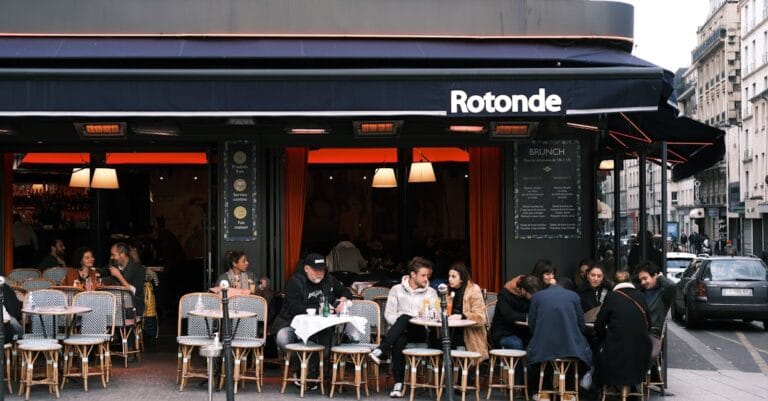
Exploring café culture, long lunches, and what dining actually means in daily Parisian life.
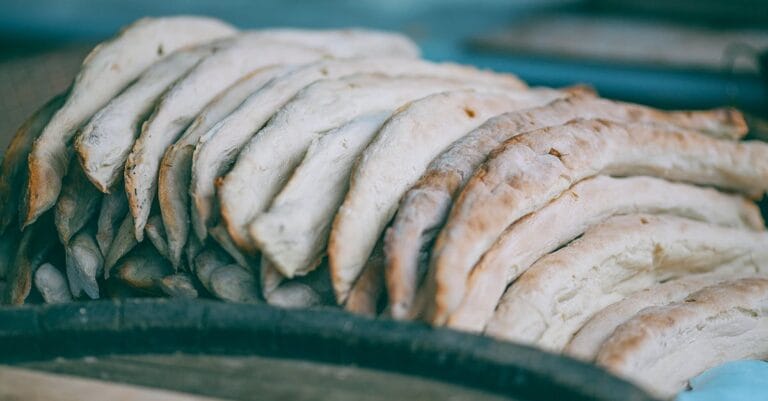
A table is set. Bread appears first, almost automatically. Wine is poured without much discussion. Plates arrive one after another, sometimes faster than you can keep track of.