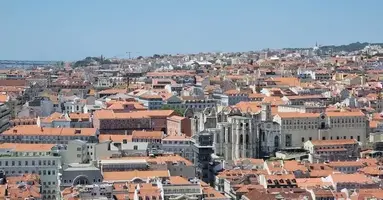
Lisbon and Its Slow Rhythm: A City That Moves Differently
Whether it’s a short exchange at a café or a longer conversation that unfolds slowly, there’s a sense that time isn’t something being managed.

Whether it’s a short exchange at a café or a longer conversation that unfolds slowly, there’s a sense that time isn’t something being managed.

Pasta. Pizza. Maybe a few familiar names — carbonara, cacio e pepe, amatriciana. Dishes that have traveled far beyond Italy, recreated in different forms, adapted, sometimes simplified, sometimes changed entirely.
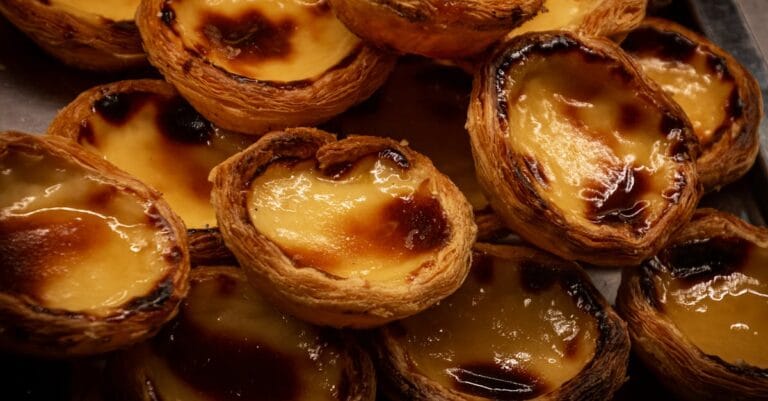
Meals aren’t styled. Spaces aren’t curated for appearance. There’s no sense that everything needs to look a certain way.
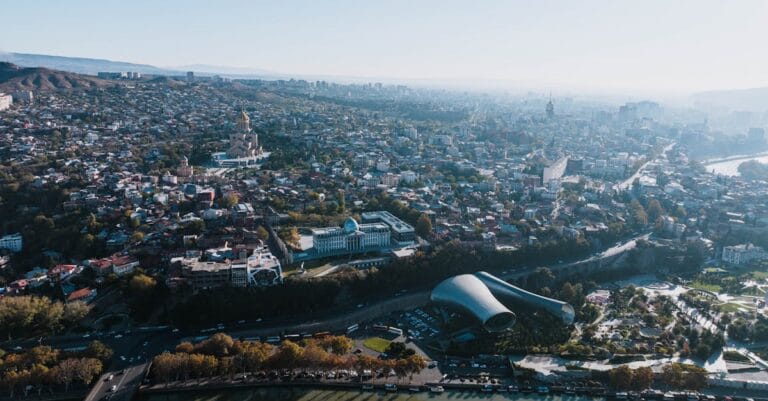
Old wooden balconies leaning slightly forward. Brightly colored houses stacked along the hills. Glass and steel structures appearing in the distance. Streets that feel both familiar and unfamiliar at the same time.
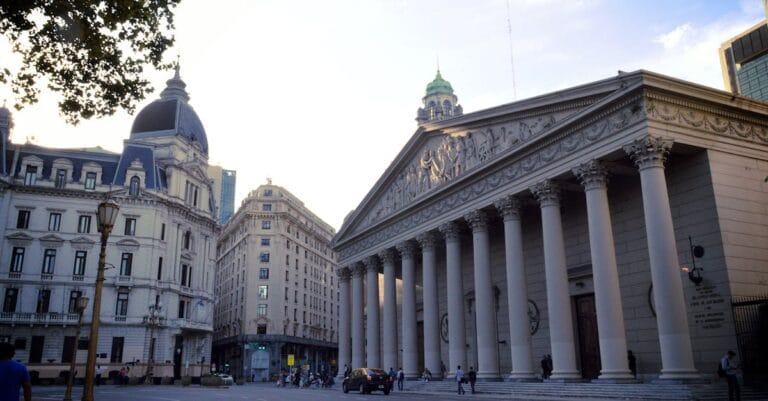
Wide avenues. Elegant façades. Balconies with iron details. Buildings that resemble something you might expect to find in Paris or Madrid.
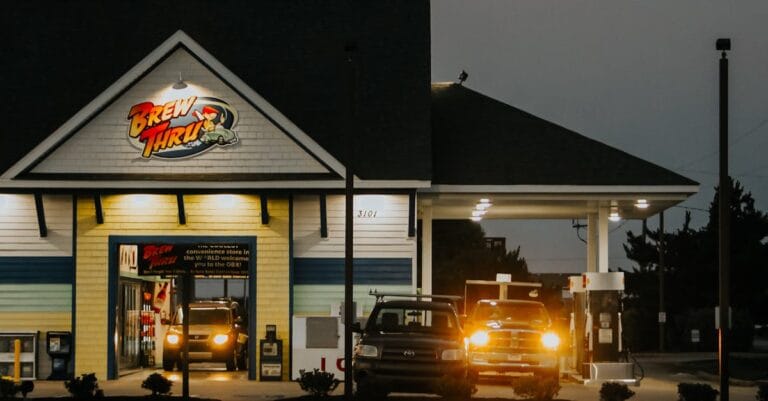
Over time, it becomes clear that all of this — the diners, the motels, the highways — is connected.
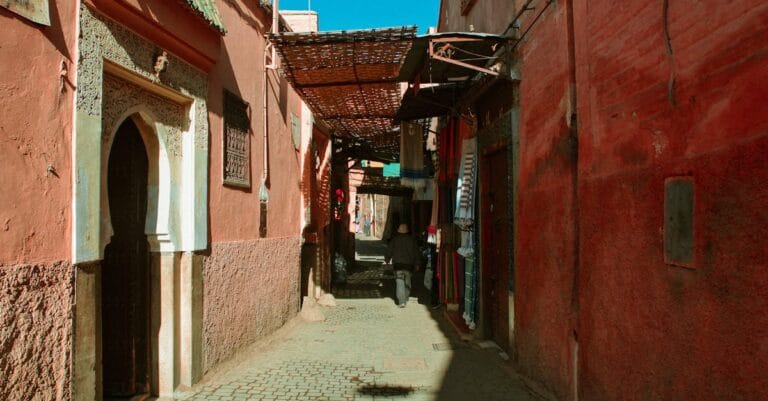
Streets curve, split, reconnect. Corners appear unexpectedly. Pathways narrow to the point where two people passing each other becomes an interaction.
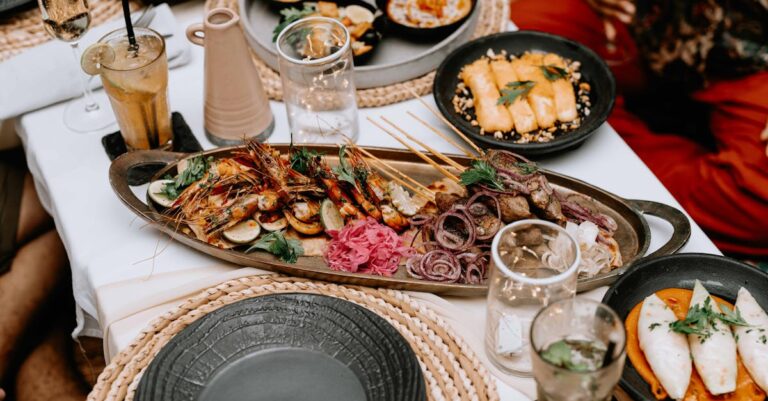
Mountains, coastline, open land, vineyards each environment brings something different.
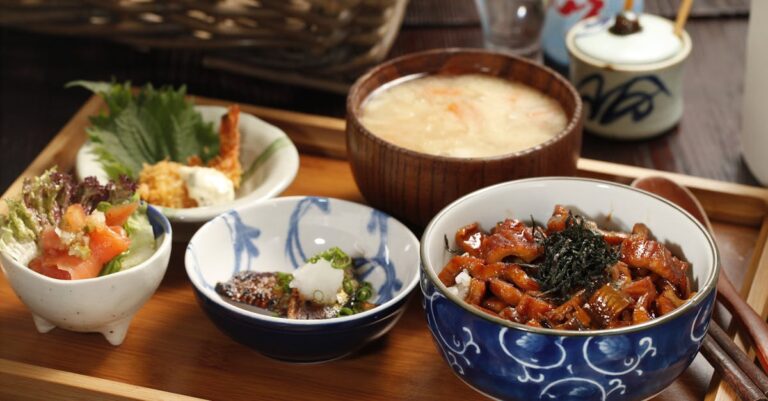
There’s attention in everything — from preparation to presentation, from how something is served to how it’s received.