
Whether it’s a short exchange at a café or a longer conversation that...
Read More
Food, Landscape, and Identity: Eating Across South Africa
- South Africa
- Food
- Culture
- February 23, 2026
A table shaped by the land
In South Africa, food doesn’t feel separate from the landscape.
It feels shaped by it.
Mountains, coastline, open land, vineyards — each environment brings something different. Ingredients change. Traditions shift. The way people cook and eat reflects what surrounds them.
You don’t experience the food without also experiencing the place.
They’re connected.
And that connection becomes clearer the more you move through the country.
Flavors that reflect diversity
South African food isn’t defined by a single style.
It’s a mix.
Different influences layered together — indigenous traditions, colonial history, migration, adaptation.
You see it in the variety of dishes.
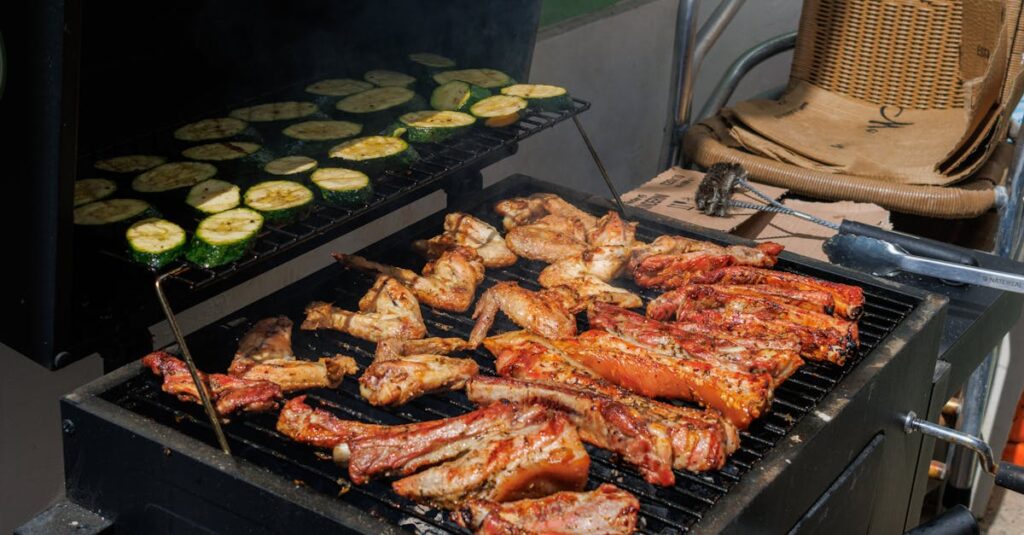
Braai — meat cooked over fire, shared outdoors.
Bobotie — spiced, baked, slightly sweet.
Chakalaka — vibrant, textured, full of flavor.
Each one tells part of a story.
But none of them tell the whole story on their own.
Cooking as a shared experience
Food isn’t just prepared.
It’s shared in the process of being made.
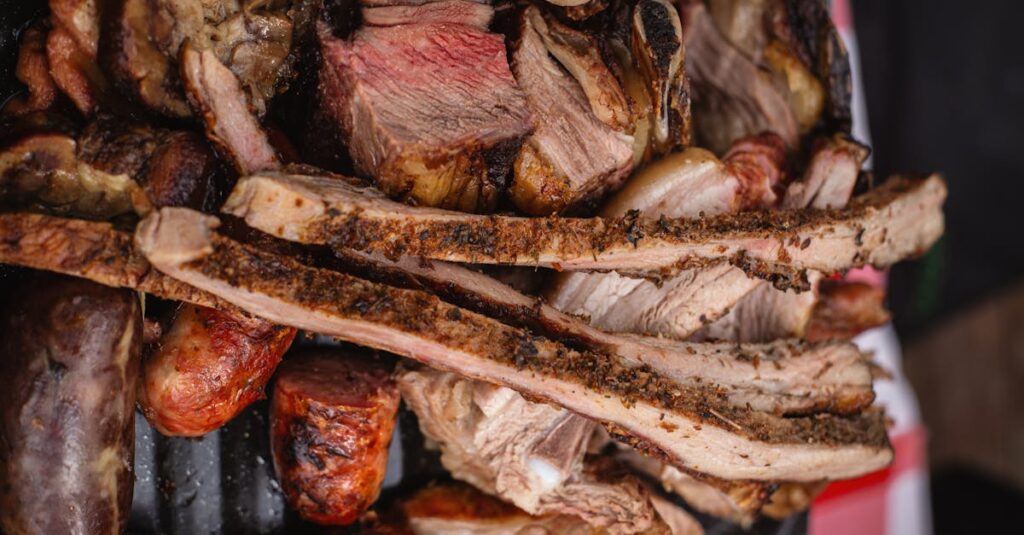
The braai is a clear example.
People gather around the fire. Cooking happens slowly. Conversations fill the time between turning, waiting, serving.
It’s not just about the result.
It’s about everything that happens around it.
And that makes the meal feel different.
More connected. Less structured.
Ingredients tied to place
Ingredients feel close to their source.
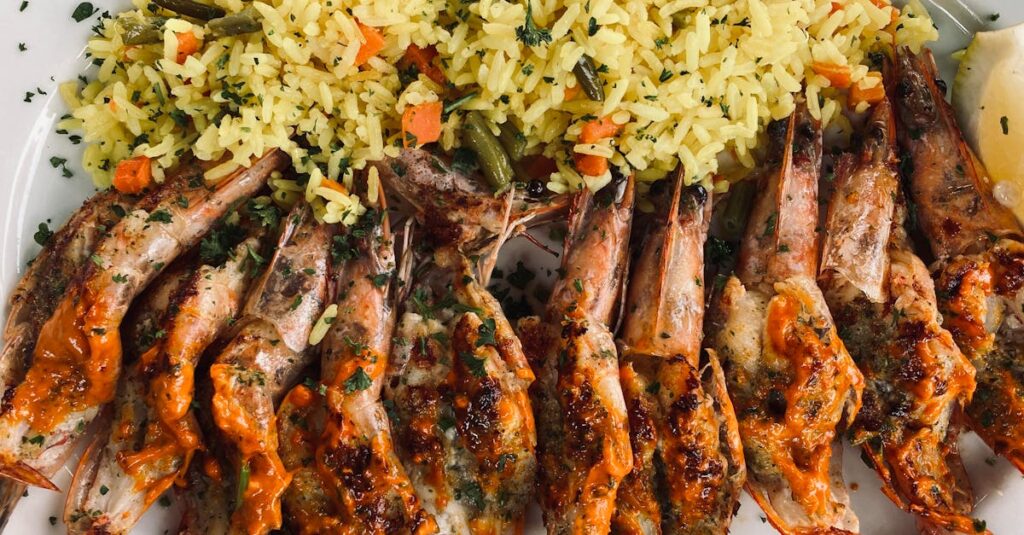
You see it in markets. In coastal areas where seafood is part of daily life. In regions where certain foods appear more often because they belong there.
Nothing feels distant.
Food reflects geography.
And that makes each meal feel tied to where you are, not just what you’re eating
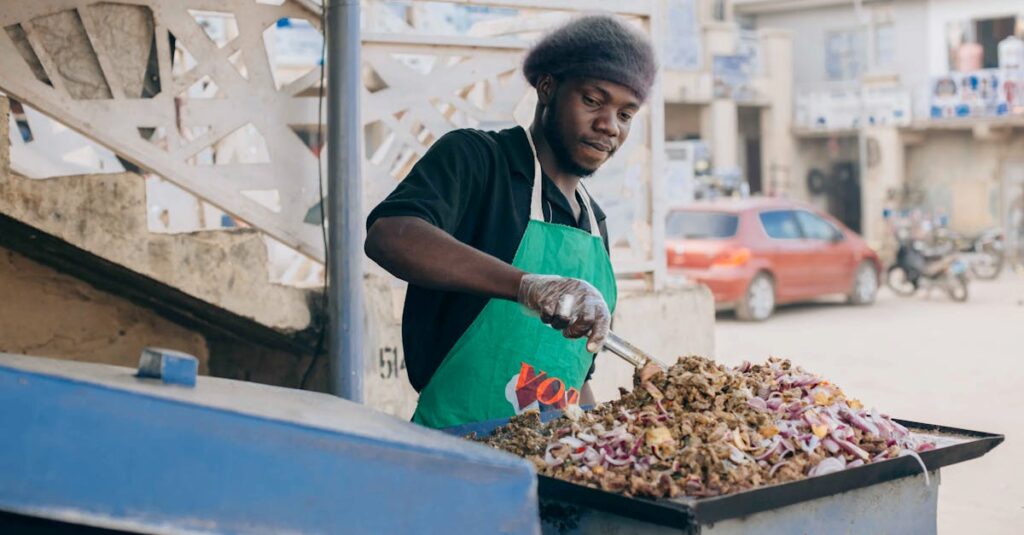
Eating across different spaces
Food is experienced in different ways depending on where you are.
Street food. Home cooking. Restaurants. Outdoor meals.
Each setting carries its own rhythm.
You don’t have a single type of dining experience.
You move between them.
And through that movement, you start to understand how varied the food culture i
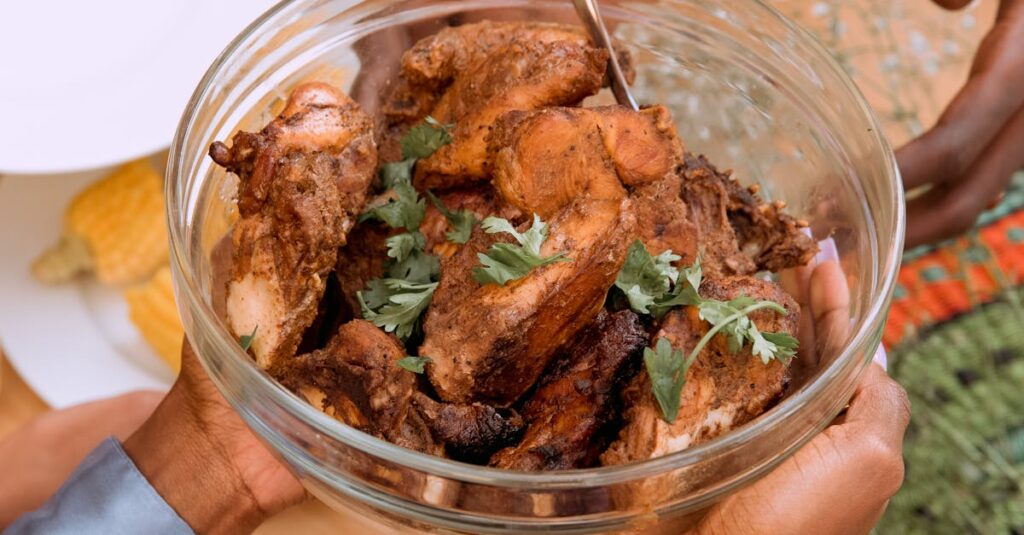
Conversations around the table
Like in many places, the table is where conversations happen.
But here, those conversations often reflect the same diversity you see in the food.
Different perspectives. Different experiences. Different ways of seeing the same place.
Food becomes the setting.
Not the focus.
The connection happens around it.
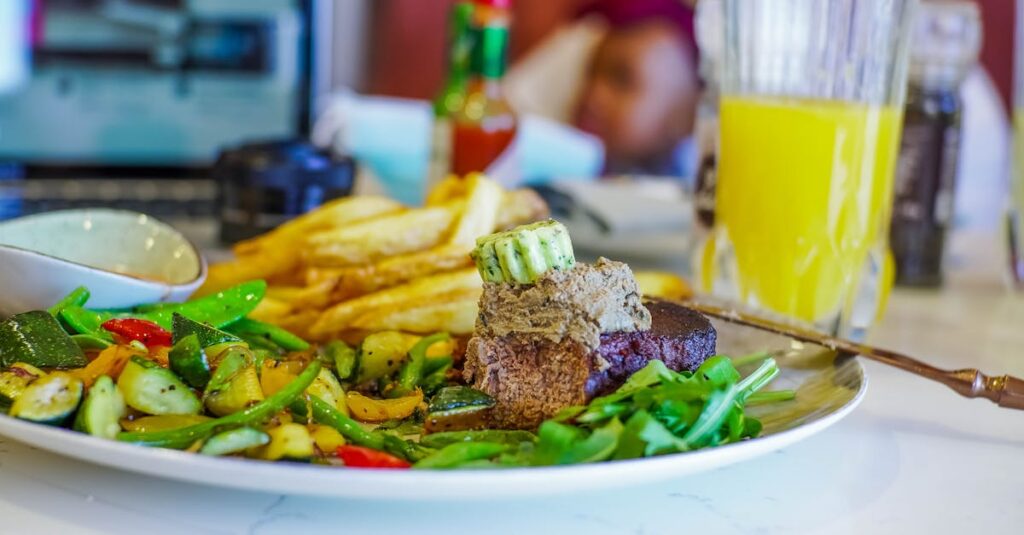
Not everything feels unified
Just like the country itself, food doesn’t feel uniform.
Access, style, and experience vary.
Some meals feel abundant, others more basic. Some spaces feel structured, others informal.
These differences don’t disappear when it comes to food.
They’re part of it.
And they shape how people experience what’s on the table.
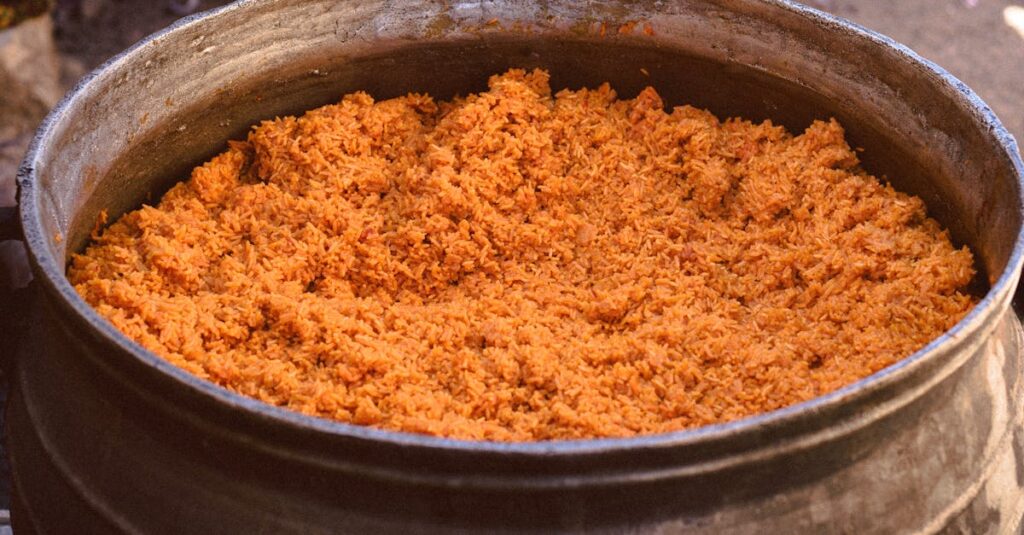
The influence of environment on rhythm
The environment doesn’t just shape ingredients.
It shapes rhythm.
Meals outdoors. Time spent around fire. The pace of eating influenced by space and surroundings.
Everything feels slightly more open.
Less confined.
And that changes how the experience unfolds.
Food as part of identity
At some point, it becomes clear that food is more than just something people eat.
It reflects identity.
Not a single identity.
But multiple ones.
Shaped by history, by place, by community.
And that complexity is part of what makes it meaningful.
What we took with us
In South Africa, food isn’t separate from the environment or the people.
It’s part of both.
Shaped by land.
Influenced by history.
Experienced through shared moments.
It doesn’t simplify into one idea.
It remains layered.
And maybe that’s what stays with you.
Not a single dish.
But the understanding that food can carry the same complexity as the place it comes from.
Read More Stories
What Roman Food Is Really About: Beyond Pizza and Pasta
Pasta. Pizza. Maybe a few familiar names — carbonara, cacio e pepe, amatriciana....
Read More
Eating in Barcelona: Markets, Meals, and Conversations
Just a general idea: to move through the city slowly, stopping where it...
Read More