
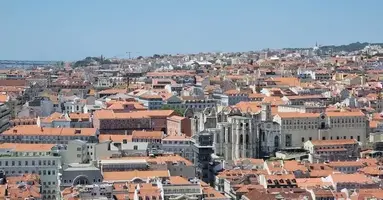
Whether it’s a short exchange at a café or a longer conversation that...
Read More
The places in between
Some places aren’t meant to be destinations.
They exist in between.
Along highways, at exits, on roads that stretch further than you can see — places that don’t ask you to stay, only to stop for a while.
Motels. Diners. Gas stations.
You don’t plan your trip around them.
But you pass through them anyway.
And after a while, you realize they’re not just part of the journey.
They are the journey.
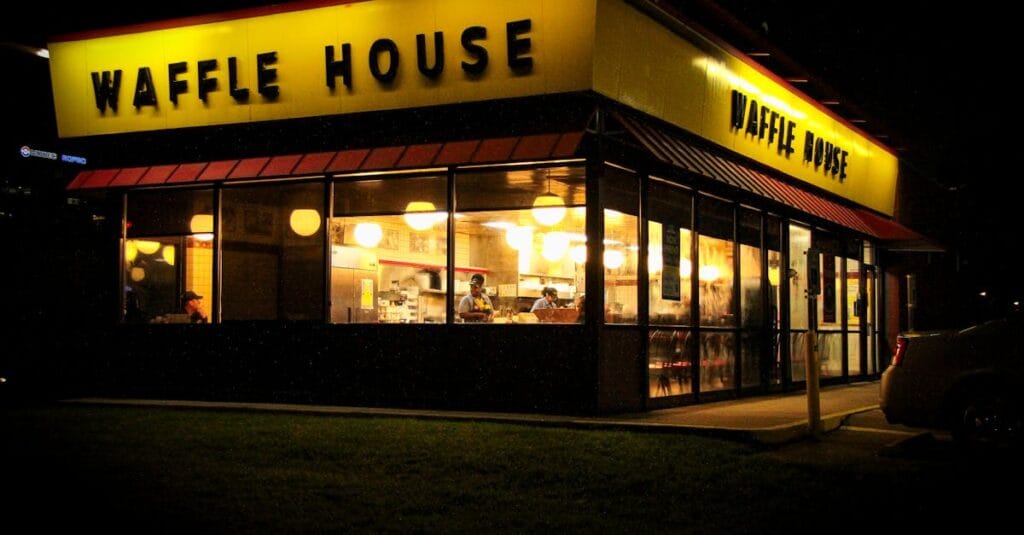
The diner as a constant
Diners feel familiar even if you’ve never been in one before.
Booths. Counter seats. Coffee that keeps getting refilled without being asked for.
Menus that don’t try to be minimal or curated. Everything is there — breakfast, lunch, dinner — at any time of day.
It’s not about choosing something unique.
It’s about choosing something that works.
Eggs. Bacon. Pancakes. Coffee.
Food that feels predictable, in a way that’s almost comforting.
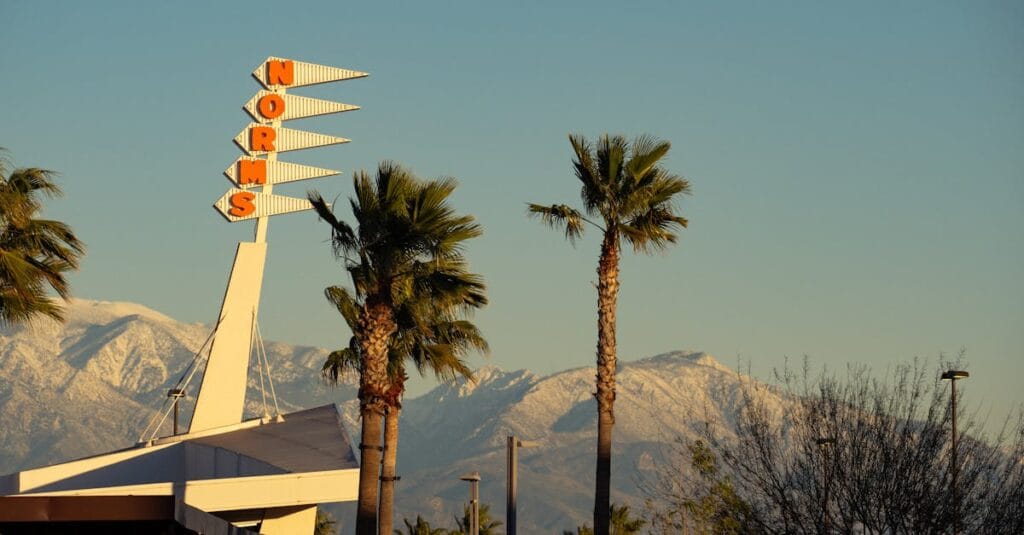
Eating without overthinking
Meals on the road don’t feel complicated.
You sit down. You order. You eat.
There’s no long introduction, no explanation of ingredients, no sense that the experience needs to be elevated.
It’s direct.
And that directness becomes part of the culture.
Food isn’t presented as something to analyze.
It’s something to rely on.
Something that fits into the rhythm of moving from one place to another.
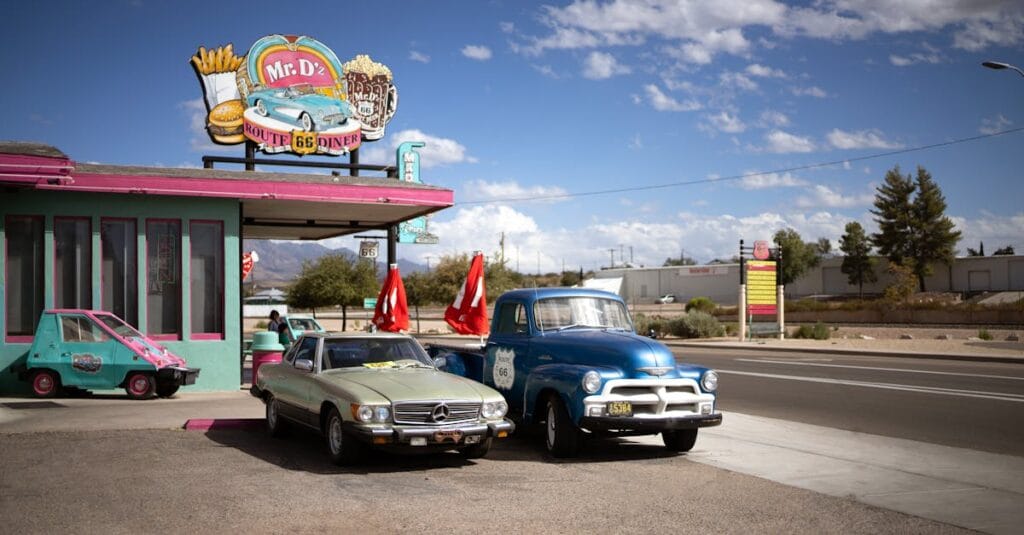
Conversations across the counter
The counter is where things happen.
Not in a dramatic way, but in small, consistent moments.
A short conversation between a customer and a waitress.
Someone sitting next to you commenting on the weather.
A regular who seems to know everyone who walks in.
These interactions are brief.
They don’t turn into something more.
But they add something to the experience.
A sense that you’re passing through a space that has its own rhythm, its own routines, its own people.
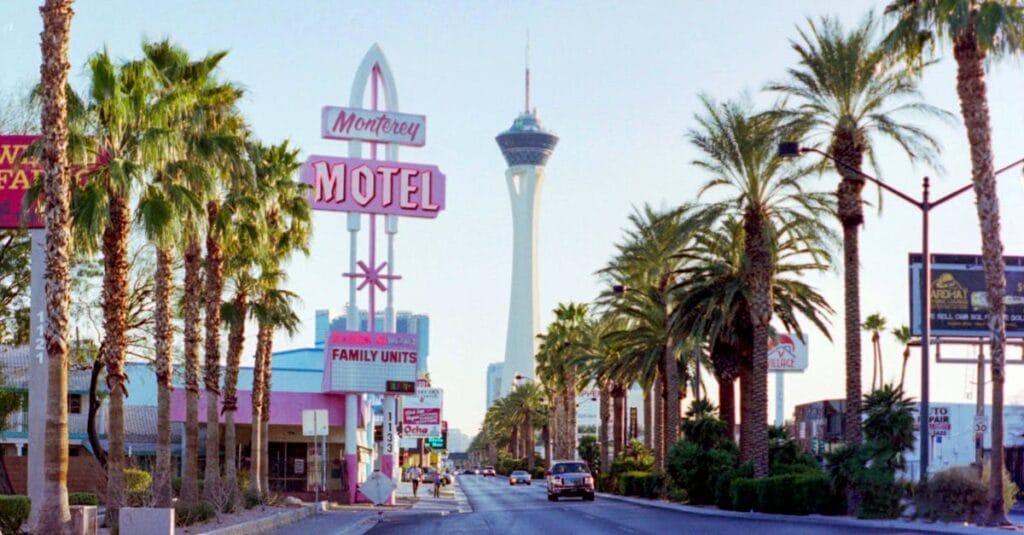
Motels and temporary spaces
Motels feel different from other places you stay.
They’re not designed to be memorable.
They’re designed to be practical.
A room. A bed. A place to stop before continuing.
Everything is temporary.
You arrive late. You leave early.
You don’t spend time there beyond what’s necessary.
And yet, these spaces become part of the experience.
Because they reflect the idea of movement — of never fully staying in one place for too long.
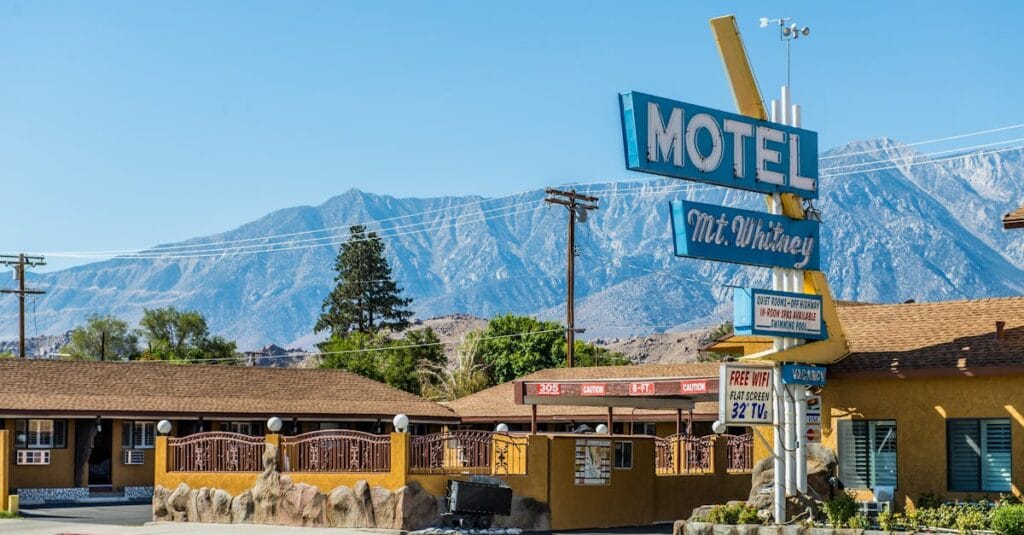
The highway as a shared space
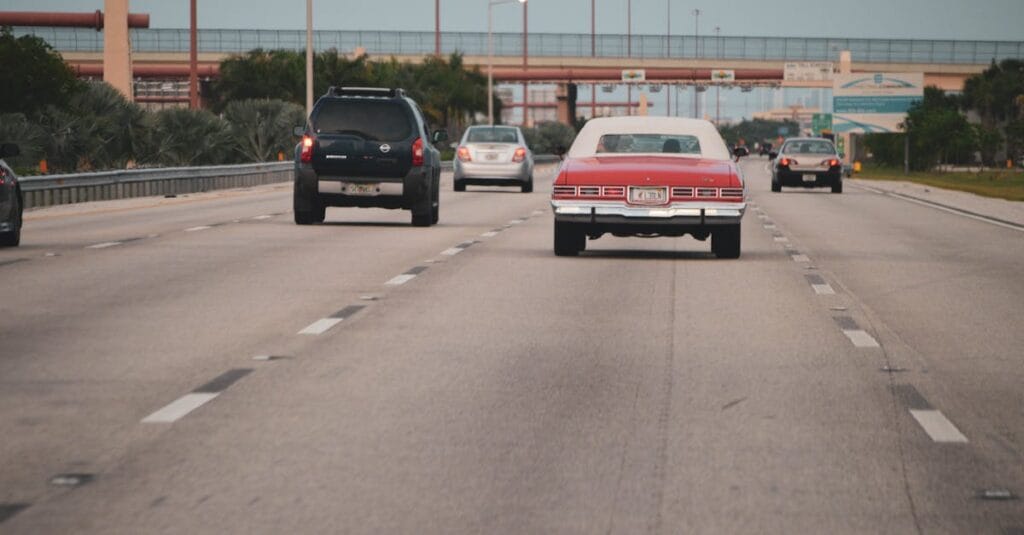
Highways connect everything.
But they also create their own environment.
Cars move at similar speeds. Trucks carry goods across long distances. People travel for different reasons, but share the same space for a while.
There’s a sense of coexistence.
You don’t know where others are going.
They don’t know where you’re coming from.
But for a moment, you’re all part of the same movement.
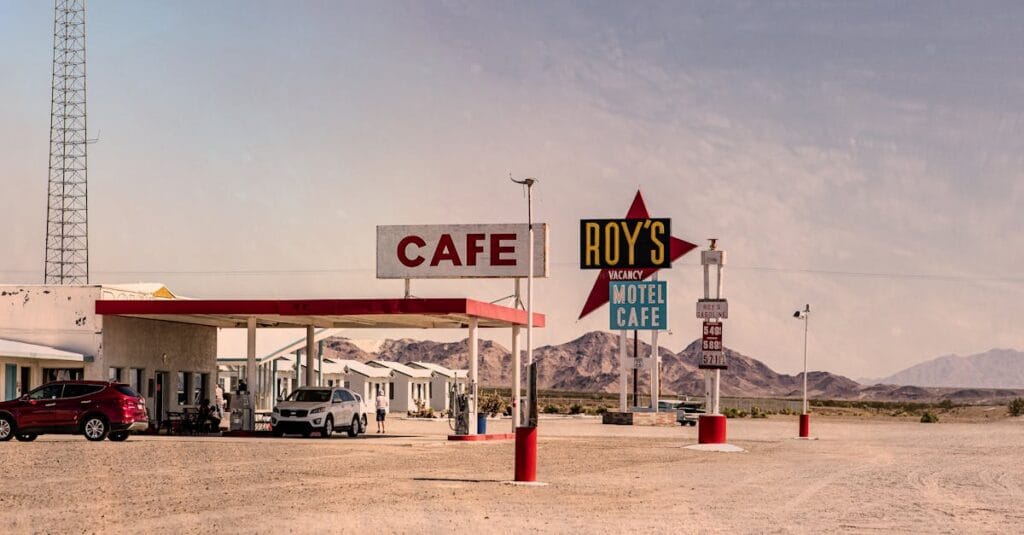
Repetition that becomes familiar
After a few days, patterns start to repeat.
Coffee in the morning.
Driving for hours.
Stopping at a diner.
Checking into a motel.
It could feel monotonous.
But it doesn’t.
Because each place, even if similar, has its own details.
A different conversation. A slightly different atmosphere. A small variation that keeps everything from feeling identical.
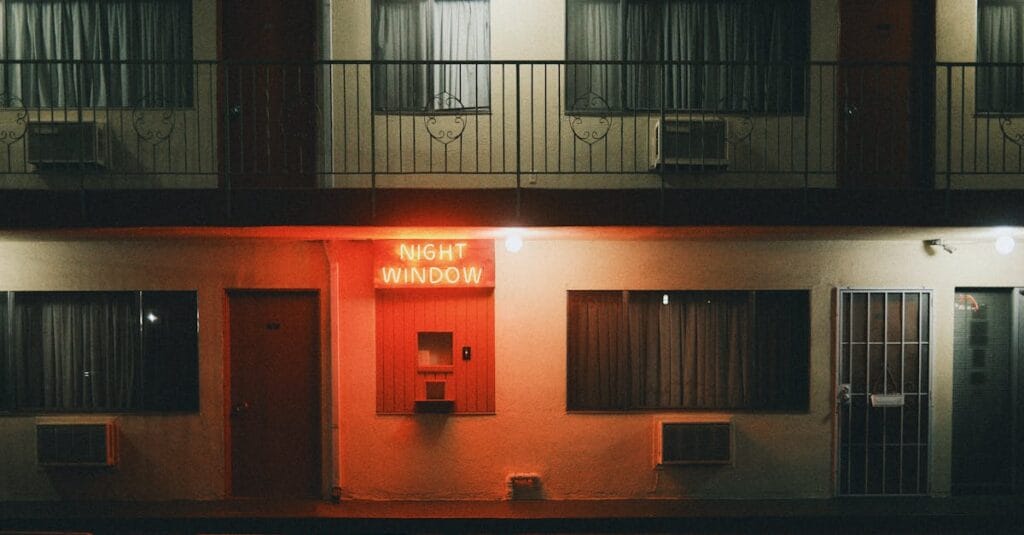
Not everything is ideal
Road culture isn’t polished.
Some places feel worn. Some feel empty. Some don’t leave much of an impression.
But that’s part of it.
It’s not curated.
It doesn’t try to present itself in a certain way.
It just exists.
And that makes it feel more real.
A culture built around movement
The American road isn’t defined by landmarks.
It’s defined by everything in between.
By the places you stop.
The food you eat without thinking too much about it.
The conversations that begin and end quickly.
Motels, diners, highways — none of them are meant to stand out on their own.
But together, they create something that feels consistent.
Something that stays with you, even after you’ve left the road behind.
What we took with us
Life on the road isn’t defined by a single place.
It’s defined by movement.
By the spaces in between destinations.
By the people you meet briefly.
By the routines that form and dissolve as you go.
There’s no clear narrative.
No single moment that defines the experience.
Just a series of encounters, landscapes, and small interactions that come together over time.
And maybe that’s what stays with you.
Not where you went.
But how it felt to keep moving.
Read More Stories
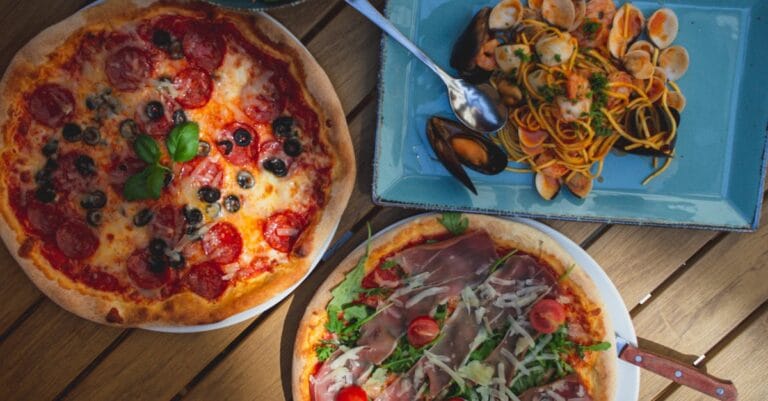
What Roman Food Is Really About: Beyond Pizza and Pasta
Pasta. Pizza. Maybe a few familiar names — carbonara, cacio e pepe, amatriciana....
Read More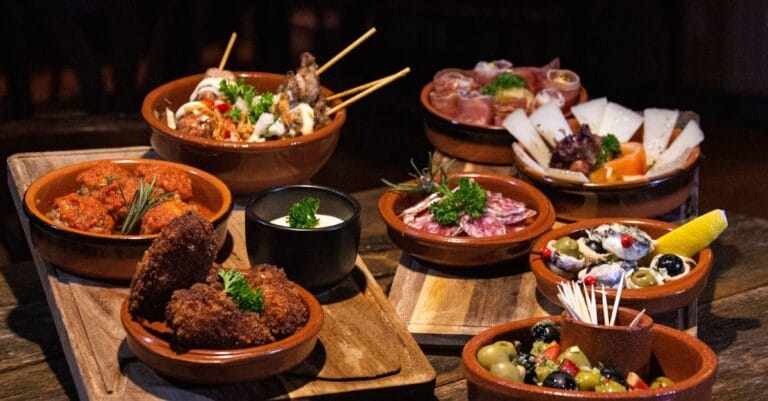
Eating in Barcelona: Markets, Meals, and Conversations
Just a general idea: to move through the city slowly, stopping where it...
Read More