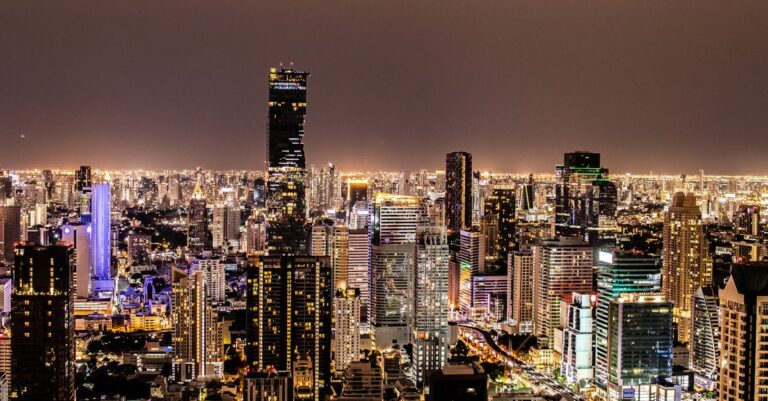
Bangkok in Motion: Street Life, Energy, and Everyday Flow
Traffic fills the streets — cars, tuk-tuks, motorbikes weaving through spaces that don’t seem designed to hold them all.

Traffic fills the streets — cars, tuk-tuks, motorbikes weaving through spaces that don’t seem designed to hold them all.
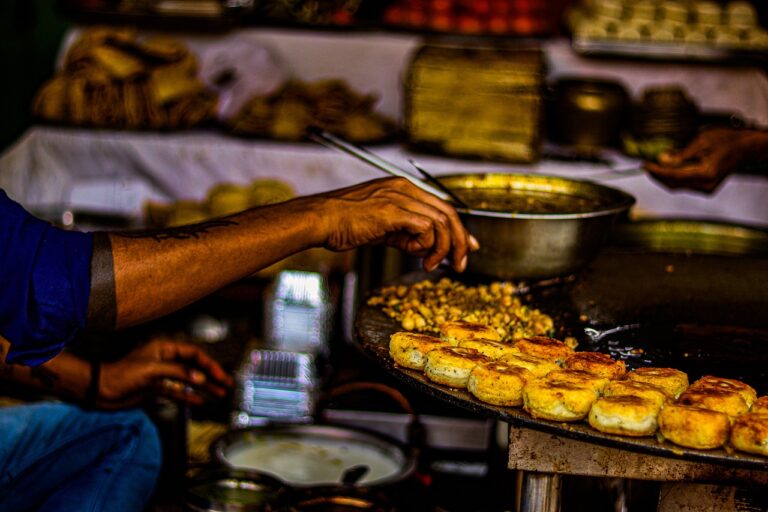
A meal reflects where you are, who prepared it, and the traditions that shape it. Even a simple plate can hold multiple elements — different flavors, textures, and combinations that exist together rather than separately.
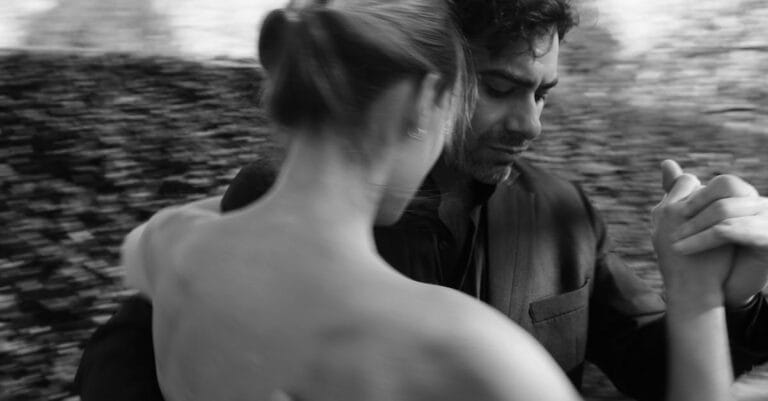
You’ve seen it — on stages, in videos, in carefully framed performances where everything is precise, dramatic, and controlled.
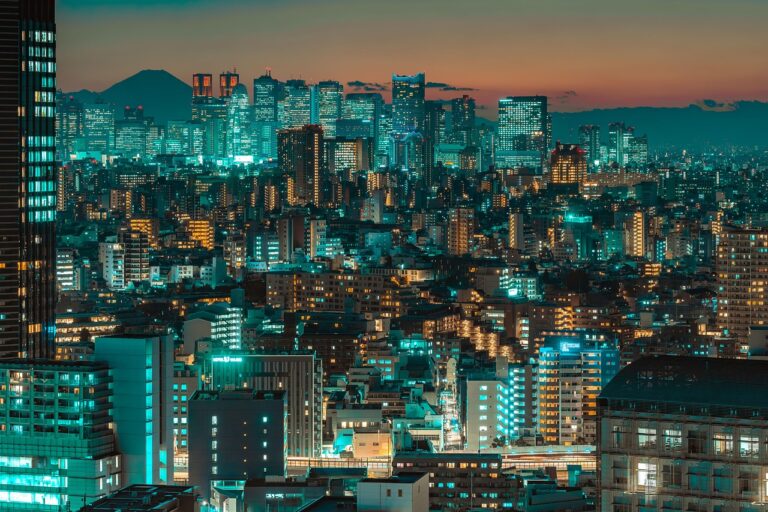
There are crowds, constant movement, layers of activity — but everything seems to follow an order that isn’t immediately explained.
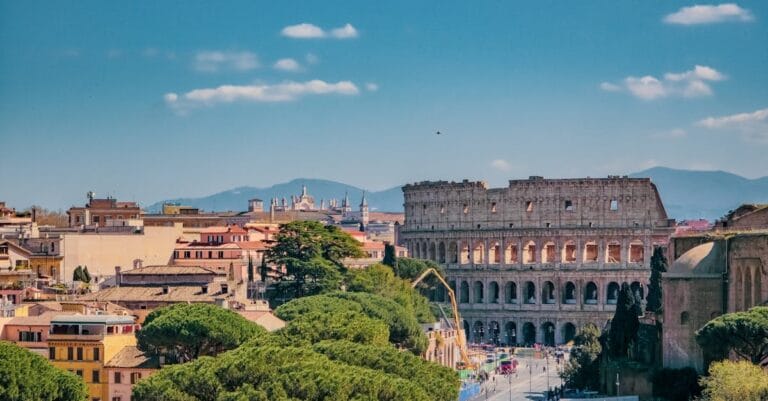
It doesn’t sit behind glass or stay confined to museums. It’s not something you visit for a few hours and then leave behind.
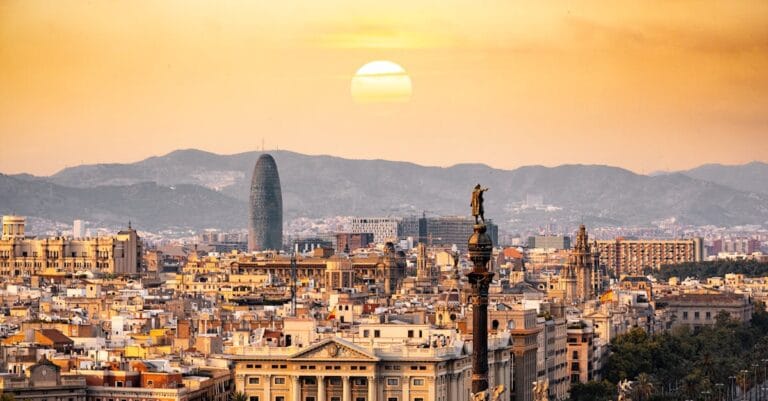
From Gaudí’s organic forms to the structured grid of the Eixample, to the narrow streets of the old city, everything feels connected.
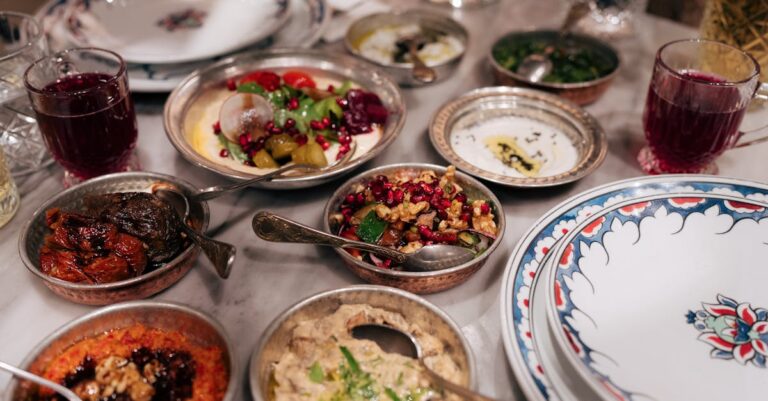
In Istanbul, food doesn’t begin with a single dish. It begins with a table. A spread that builds gradually — bread, cheese, olives, vegetables, tea poured into small glasses.
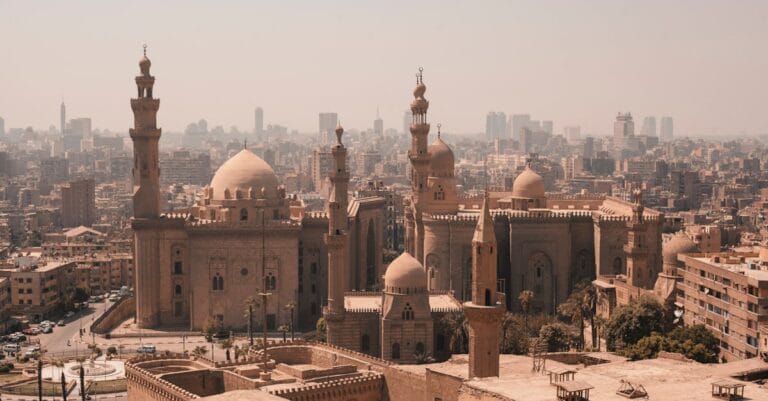
Cairo isn’t defined by its landmarks. It’s defined by its movement. By the w
ay people navigate space. By the way life unfolds in public. By the way chaos and rhythm exist at the same time
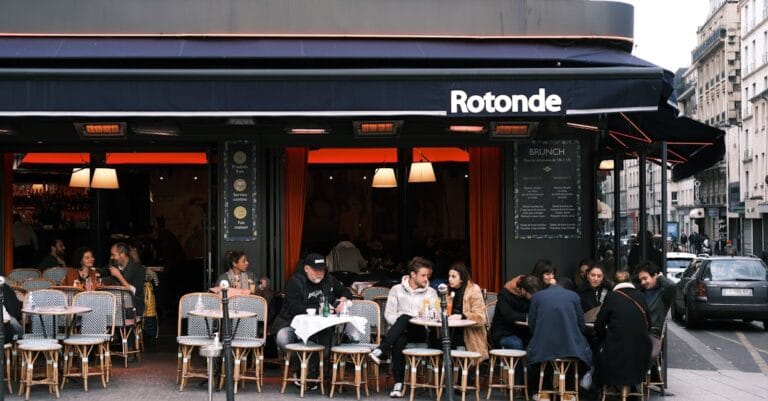
Exploring café culture, long lunches, and what dining actually means in daily Parisian life.