

In Istanbul, food doesn’t begin with a single dish. It begins with a...
Read More
First impressions of order
Tokyo doesn’t feel chaotic.
Not in the way you might expect from a city of its size.
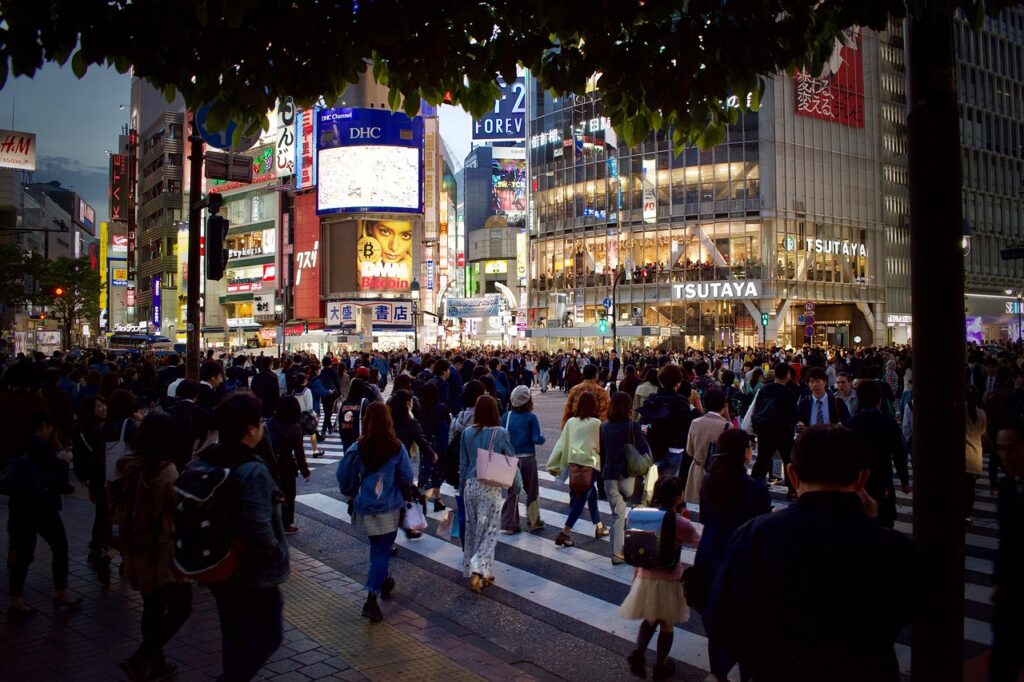
There are crowds, constant movement, layers of activity — but everything seems to follow an order that isn’t immediately explained.
People move in lines.
Trains arrive and leave with precision.
Crosswalks fill and empty in coordinated waves.
At first, it feels almost too structured.
But the longer you observe, the more that structure begins to make sense.
Routines that shape the day
Daily life in Tokyo is built on routine.
Morning commutes. Lunch breaks. Evening returns.
These patterns repeat consistently, creating a rhythm that feels stable.
Even small actions — entering a store, ordering food, waiting in line — follow familiar structures.
Nothing feels random.
Everything feels practiced.
And that consistency shapes how the city moves.
Etiquette in small details
What stands out isn’t just what people do.
It’s how they do it.
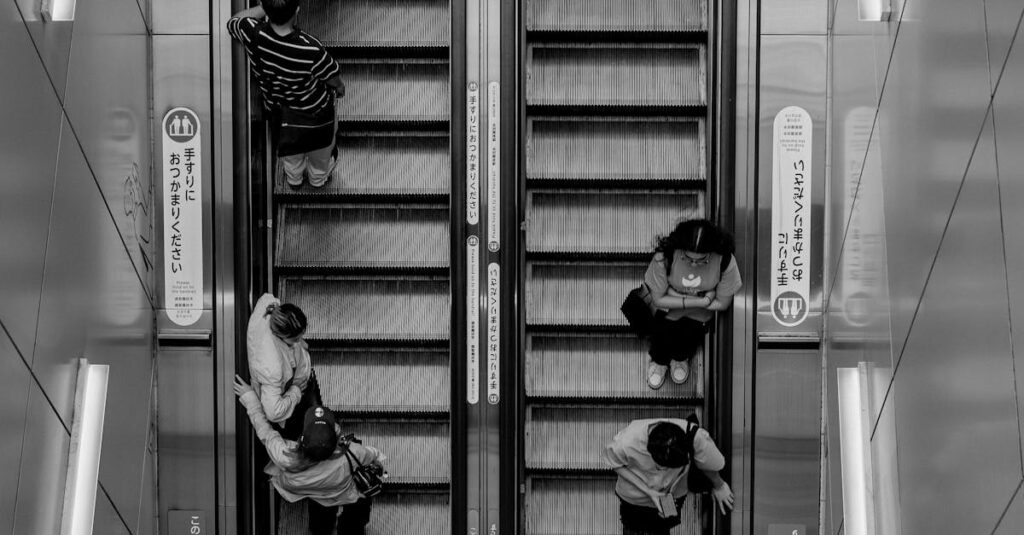
Small gestures. Subtle behaviors. Ways of interacting that reflect a shared understanding.
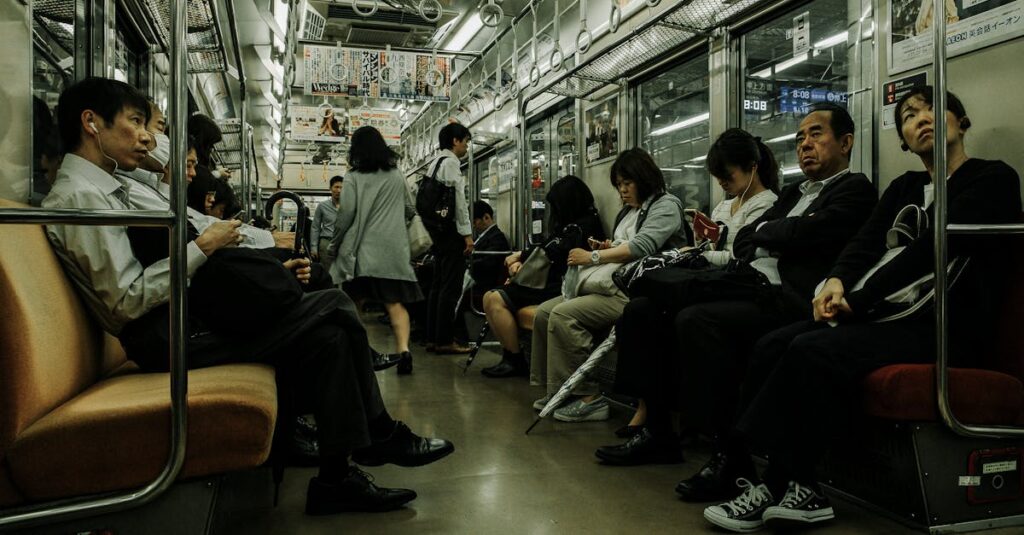
People speak quietly in public spaces.
They wait without pushing forward.
They acknowledge each other with small, respectful gestures.
These actions aren’t emphasized.
They’re simply part of everyday life.
Spaces that feel controlled
Tokyo’s spaces feel intentional.
Clean lines. Clear organization. A sense that everything has a place.
Even in busy areas, there’s structure.
Signage guides movement. Spaces are used efficiently. Nothing feels accidental.
And that creates an environment where complexity doesn’t become overwhelming.
It becomes manageable.
Tradition within the modern city
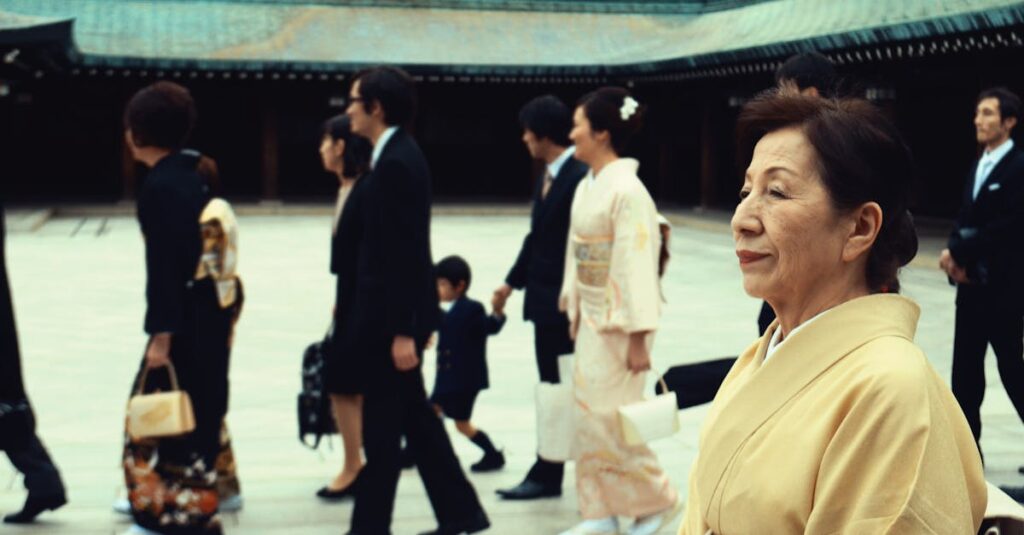
Amid the modern city, tradition remains visible.
Shrines appear between buildings. Quiet spaces exist within busy districts.
You step into them, and everything changes.
The pace slows. The atmosphere shifts.
And yet, they’re not separate from the city.
They exist within it.
Part of the same environment, but offering a different experience.
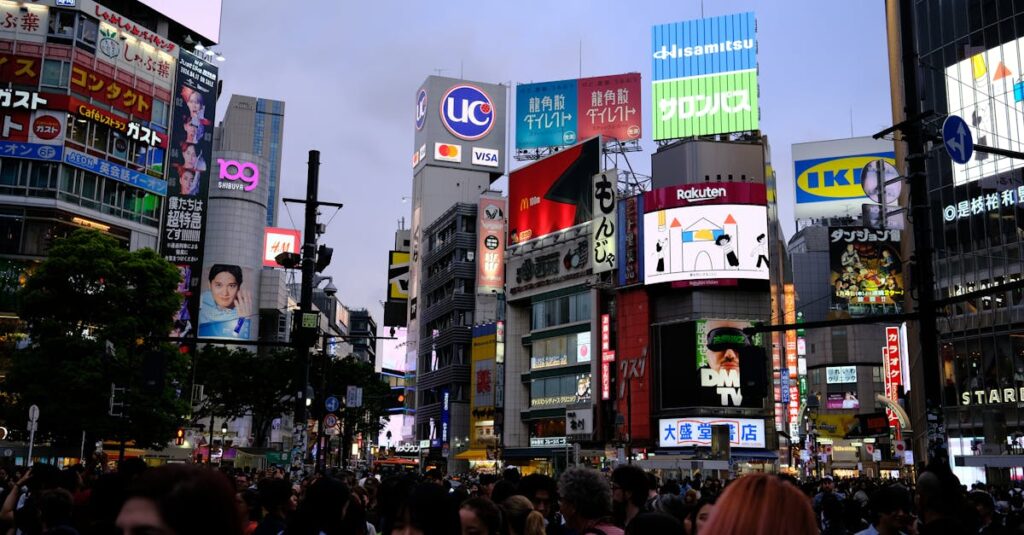
Contrasts that don’t conflict
Tokyo is full of contrasts.
Old and new. Quiet and busy. Traditional and modern.
But these contrasts don’t feel like opposites.
They coexist.
A quiet residential street sits not far from a crowded district. A traditional element appears within a modern setting.
Nothing cancels out something else.
Everything exists at the same time.
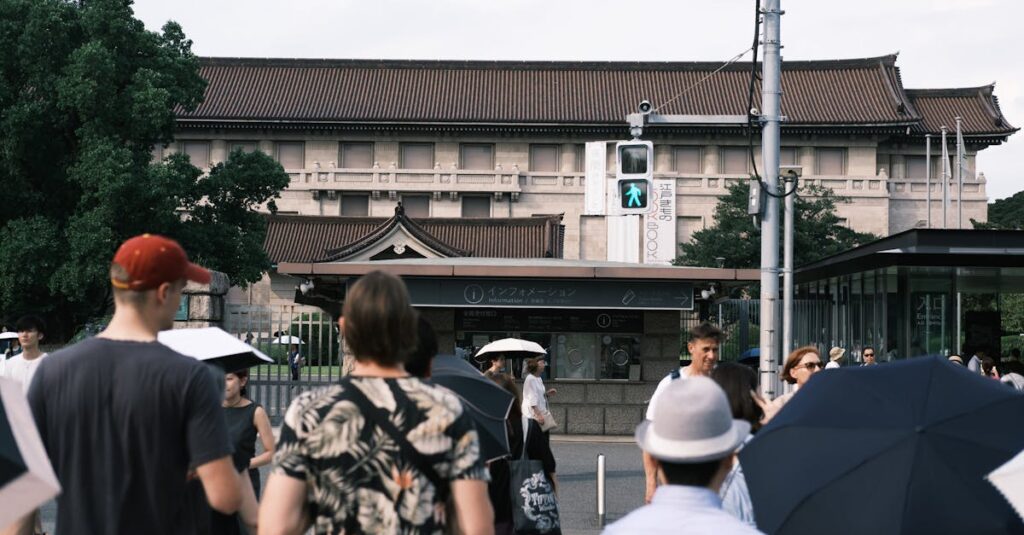
Interaction without intrusion
Interactions in Tokyo feel measured.
People engage, but with a sense of distance that feels respectful rather than distant.
You’re acknowledged, but not intruded upon.
Conversations happen, but within boundaries that are understood without needing to be explained.
And that creates a different kind of connection.
One that feels subtle, but present.
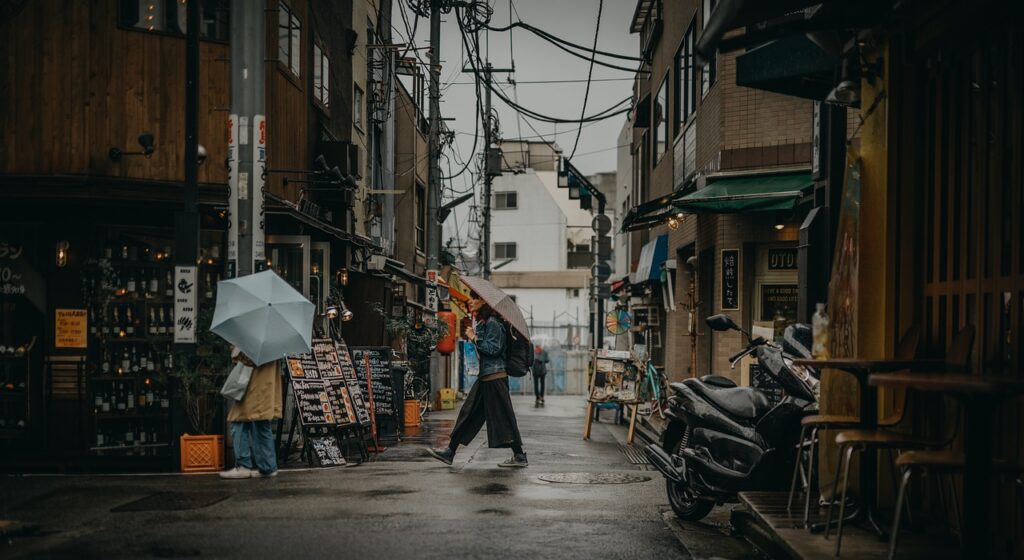
Moments of quiet within movement
Even in a city that moves constantly, there are quiet moments.
A side street. A pause between movements. A space where everything slows down.
These moments don’t stand apart from the city.
They exist within it.
And they give balance to everything else.
Not everything is immediately understood
Tokyo isn’t a place you fully understand right away.
Much of what defines it exists in small details.
In behaviors. In routines. In patterns that aren’t always visible at first.
You notice them gradually.
And even then, not everything becomes clear.
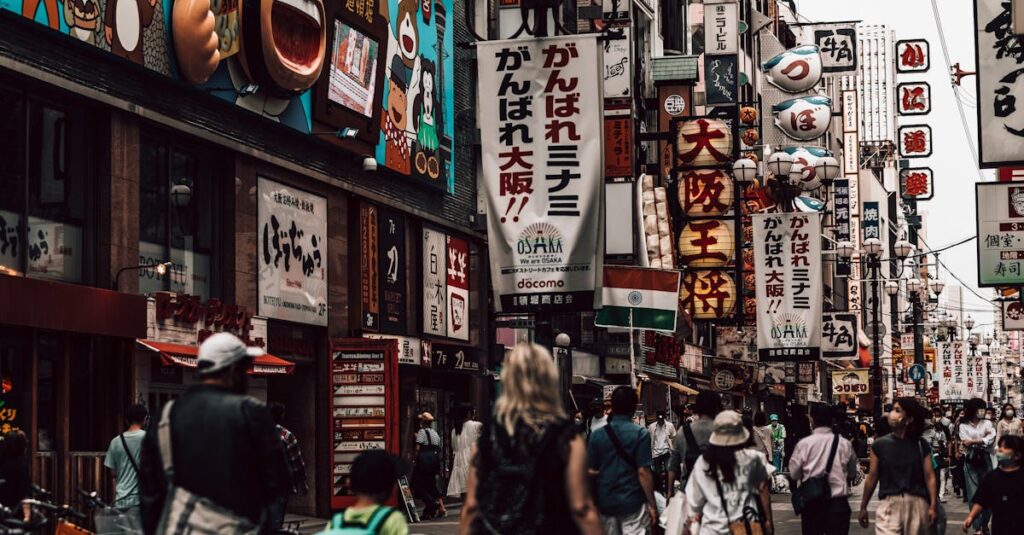
What we took with us
Tokyo isn’t defined by a single contrast.
It’s defined by how those contrasts exist together.
Tradition and modern life don’t compete.
They coexist.
Through routines, through etiquette, through the way people move and interact.
Nothing feels forced.
Everything feels intentional.
And maybe that’s what stays with you.
Not a single moment.
But the quiet understanding that complexity doesn’t always need to be visible to be present.
Read More Stories
Lisbon and Its Slow Rhythm: A City That Moves Differently
Whether it’s a short exchange at a café or a longer conversation that...
Read More
Bangkok in Motion: Street Life, Energy, and Everyday Flow
Traffic fills the streets — cars, tuk-tuks, motorbikes weaving through spaces that don’t...
Read More