
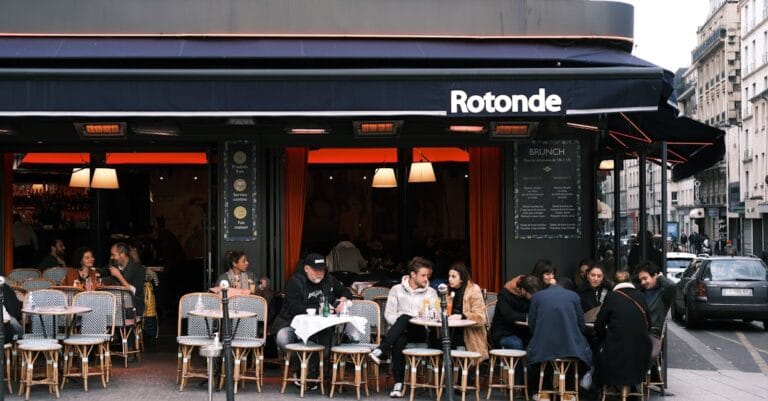
Exploring café culture, long lunches, and what dining actually means in daily...
Read More
Where food begins before the meal
In Istanbul, food doesn’t begin with a single dish.
It begins with a table.
A spread that builds gradually — bread, cheese, olives, vegetables, tea poured into small glasses.
Nothing arrives all at once.
It appears piece by piece.
And before you start eating, the experience has already started.
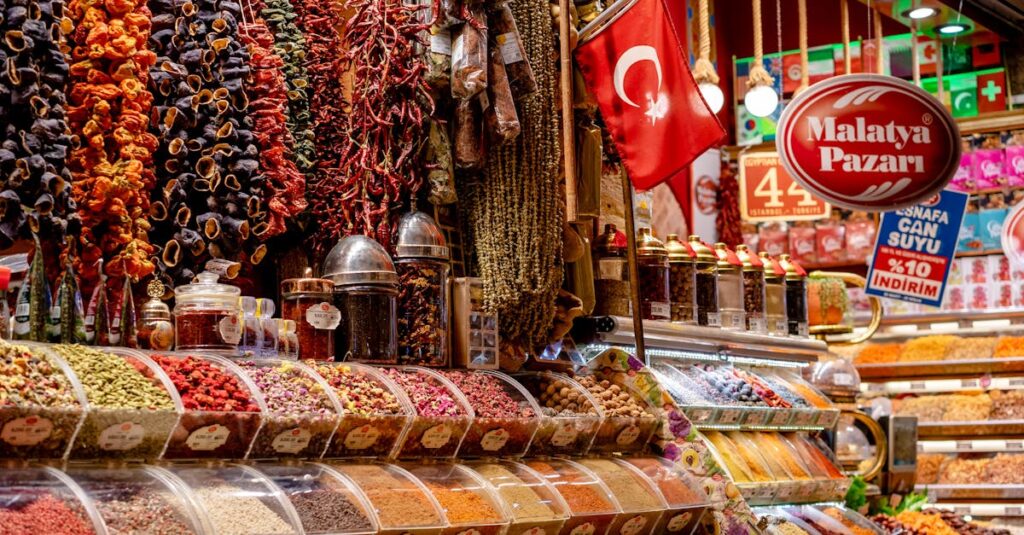
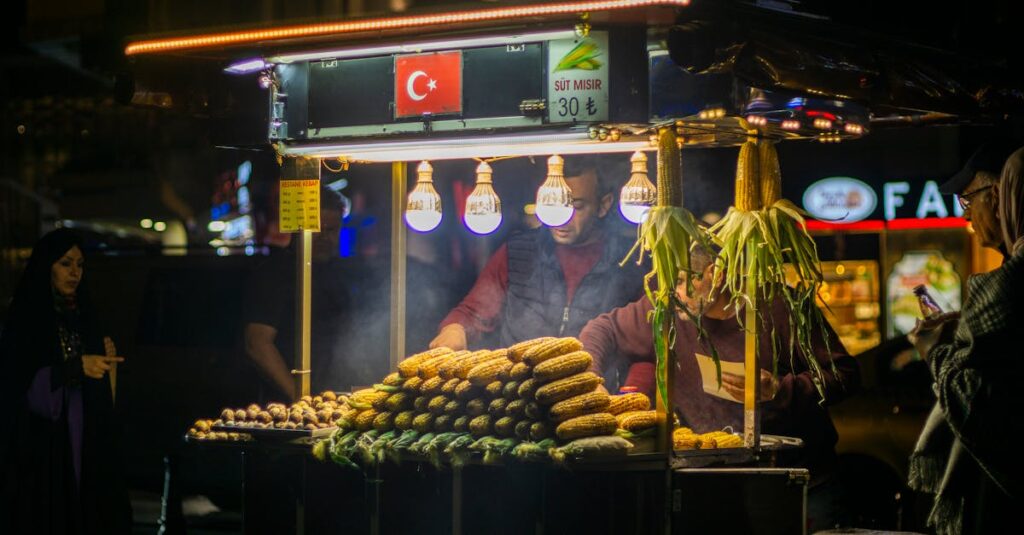
Markets as part of daily life
Markets in Istanbul are not separate spaces.
They’re part of the city’s rhythm.
People move through them with familiarity — choosing ingredients, talking briefly, continuing on.
Spices, fruits, breads, sweets — everything is visible, close, part of a daily cycle.
You don’t just visit a market.
You pass through it as part of life.
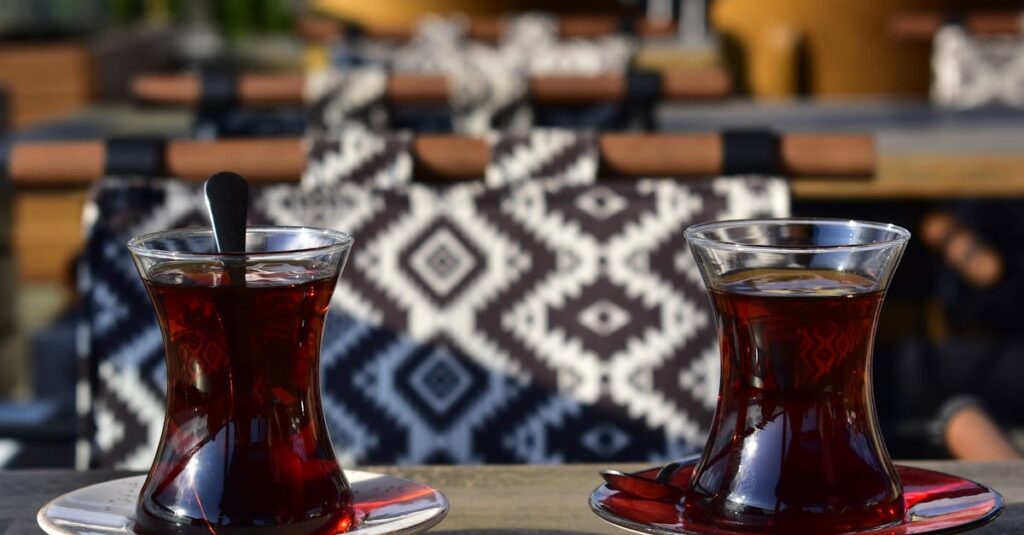
Tea as a constant presence
Tea is everywhere.
Served in small glasses, clear and strong, often without being asked for.
It appears in conversations, in pauses, in moments that don’t need a reason.
You don’t schedule tea.
It becomes part of what you’re already doing.
And over time, it feels less like a drink and more like a rhythm.
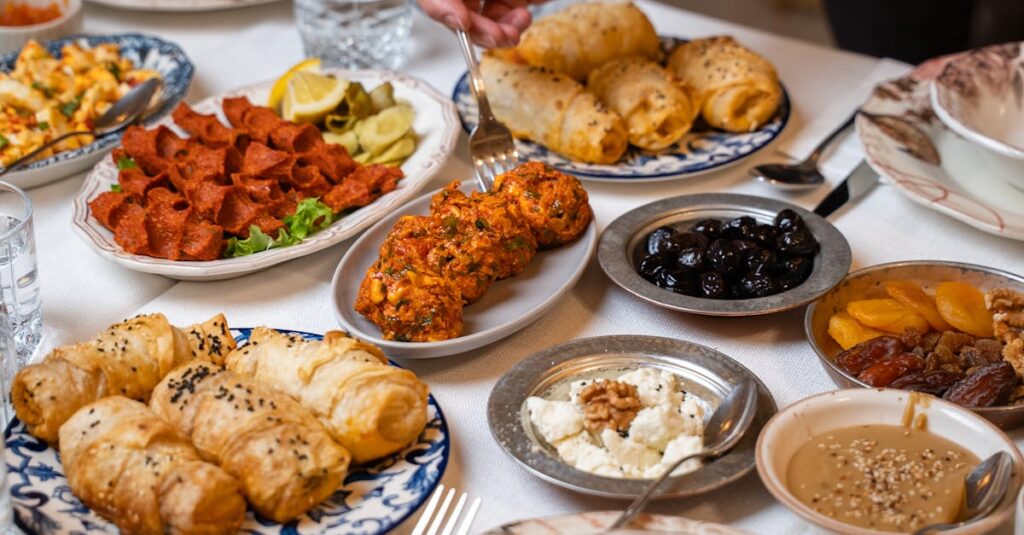
Meals built around sharing
Meals in Istanbul are rarely individual.
Dishes are placed in the center.
Meze — small plates — arrive one after another.
You take a little from each. Combine flavors. Move between dishes.
There’s no fixed order.
The meal unfolds through interaction.
And that makes it feel collective.
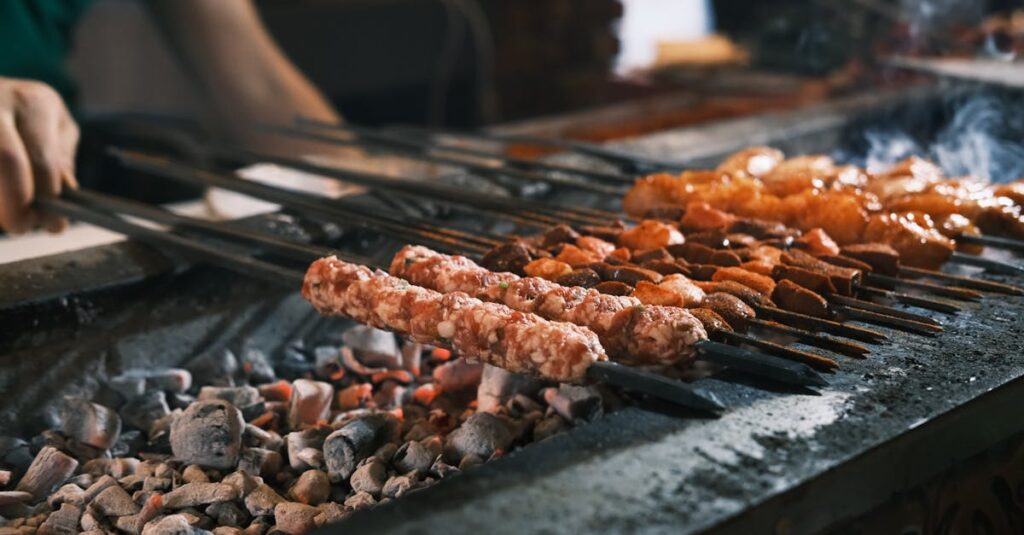
Food that reflects history
The food carries history.
Ottoman influences, regional variations, ingredients that have traveled and adapted over time.
You see it in dishes that feel familiar, but also specific.
Kebabs, pide, stews — each one connected to something older, something that has been repeated and refined.
Food becomes a way of preserving that continuity.
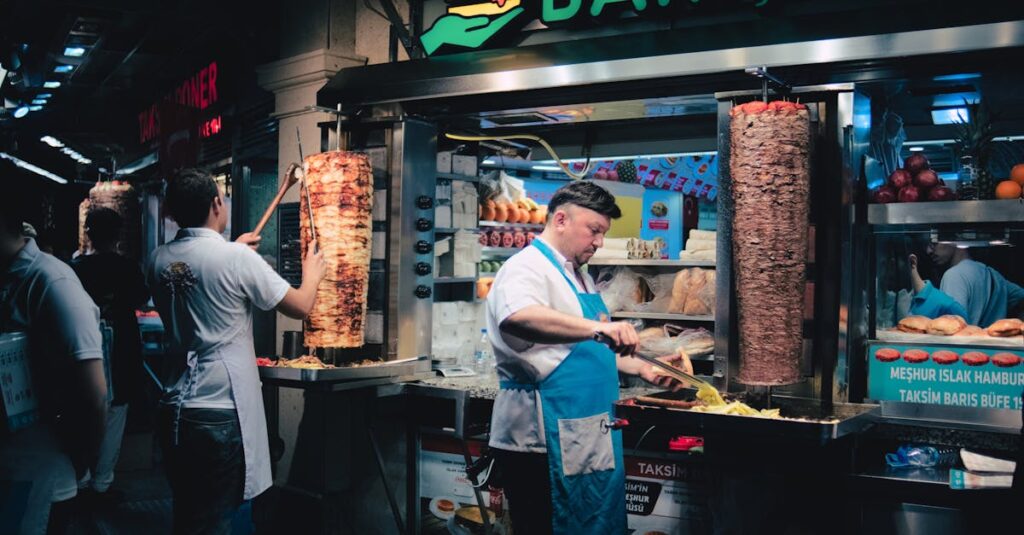
Eating as part of the day
Food isn’t confined to specific times.
It appears throughout the day.
A simit on the street. A quick stop for something small. A longer meal later.
Eating fits into movement.
It doesn’t interrupt it.
And that makes food feel integrated into daily life rather than separate from it.
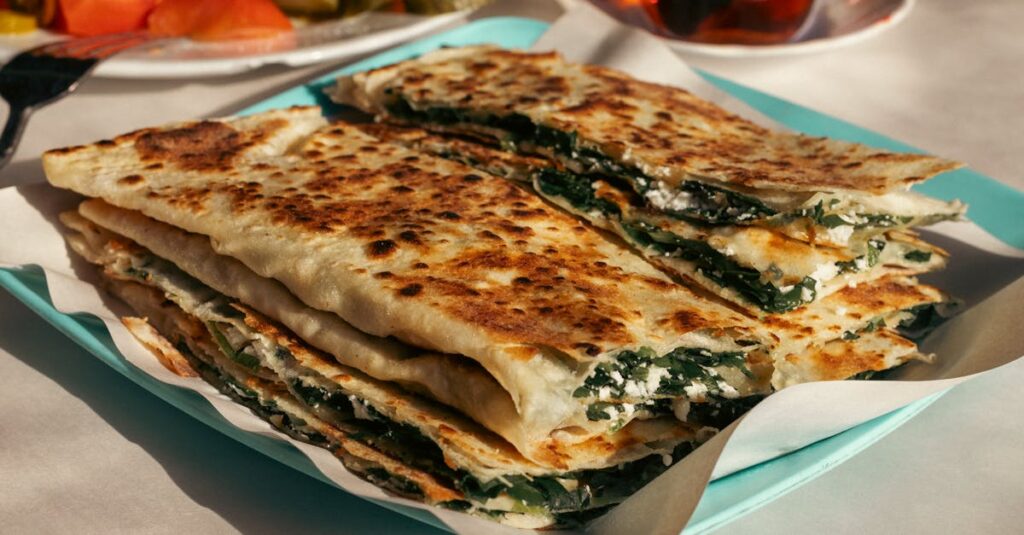
Not about excess, but presence
Meals don’t try to be excessive.
There’s variety, but not overcomplication.
Presentation is natural.
Nothing feels designed to impress.
Because the focus isn’t on appearance.
It’s on being there — at the table, in the moment.
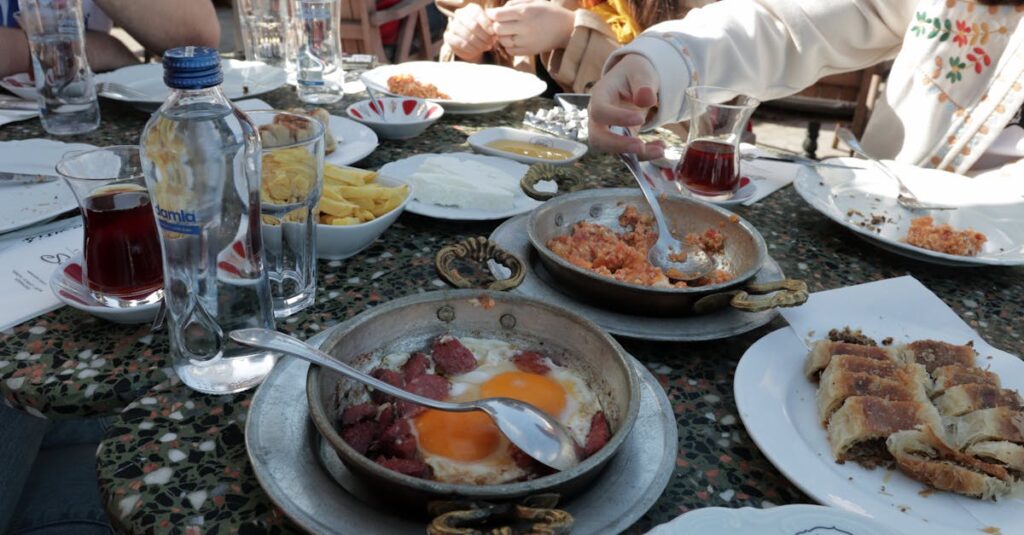
Conversations that unfold with the meal
Food creates space for conversation.
Not structured, not planned.
Just something that happens alongside the meal.
Topics shift. Silence appears and disappears. The interaction continues as long as the meal does.
And there’s no clear end.
A rhythm that repeats
By the end of the day, the pattern becomes clear.
Food appears. Tea follows. Conversations happen.
And then it repeats.
Not in exactly the same way.
But with the same structure.
And that repetition becomes part of the culture.
What we took with us
In Istanbul, food isn’t separate from life.
It’s woven into it.
Through markets.
Through tea.
Through meals that unfold slowly and naturally.
It reflects history, but also daily routine.
And maybe that’s what stays with you.
Not a specific dish.
But the rhythm of it all — the way food becomes part of how the city moves.
Read More Stories
Tokyo Between Tradition and Modern Life
There are crowds, constant movement, layers of activity — but everything seems...
Read More
Food as Identity in India: Spices, Meals, and Meaning
A meal reflects where you are, who prepared it, and the traditions...
Read More