
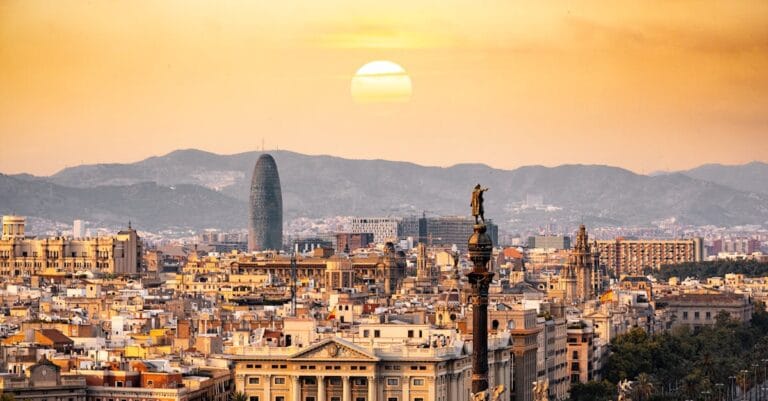
From Gaudí’s organic forms to the structured grid of the Eixample, to...
Read More
Barcelona Through Its Buildings: Architecture as Identity
- Spain
- Architecture
- Culture
- January 30, 2026
A city that feels designed differently
Some cities reveal themselves through monuments.
Barcelona reveals itself through its buildings.
Not just the famous ones — but the everyday ones too. The streets, the balconies, the shapes, the details that repeat and change as you move through different neighborhoods.
At first, it feels subtle.
Then, slowly, you start to notice a pattern.
This is not a city that grew randomly.
It’s a city that was imagined.
The influence you can’t ignore
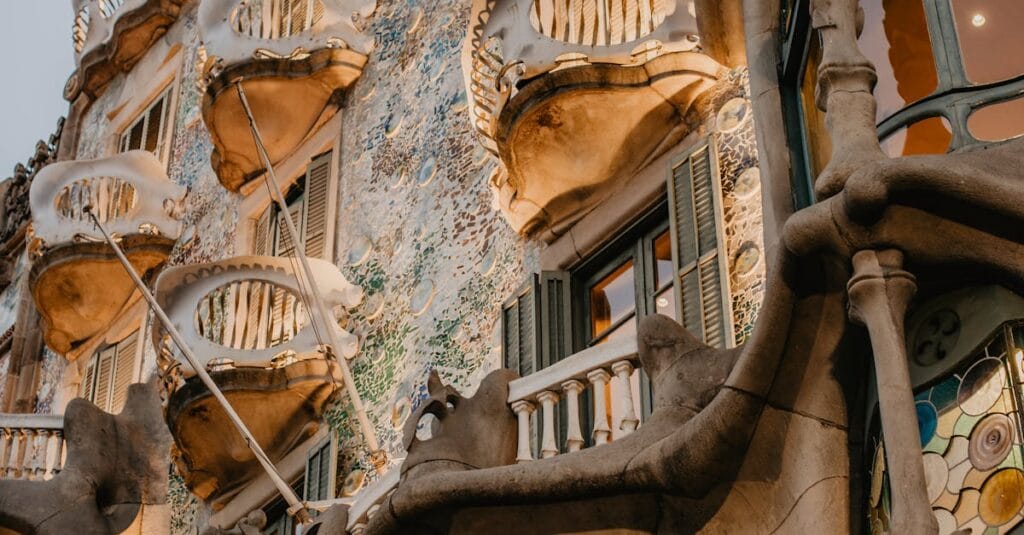
It’s impossible to talk about Barcelona without mentioning Antoni Gaudí.
His work stands out immediately — not just because it’s different, but because it feels almost alive.
Curved lines instead of straight ones.
Colors where you don’t expect them.
Details that seem to follow natural forms rather than strict rules.
The Sagrada Família rises in a way that doesn’t feel static.
Park Güell looks more like a landscape than a structure.
Casa Batlló doesn’t just sit on the street — it transforms it.
But what’s interesting is not just how Gaudí’s buildings look.
It’s how they feel within the city.
They don’t feel separate.
They feel like an extension of something deeper.
Beyond Gaudí
Once you move past the most recognizable landmarks, another layer appears.
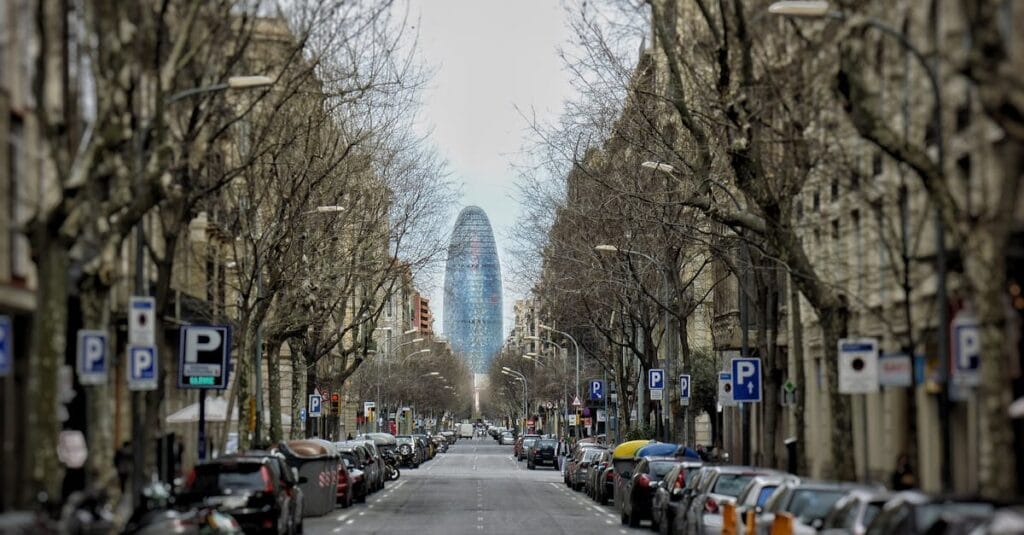
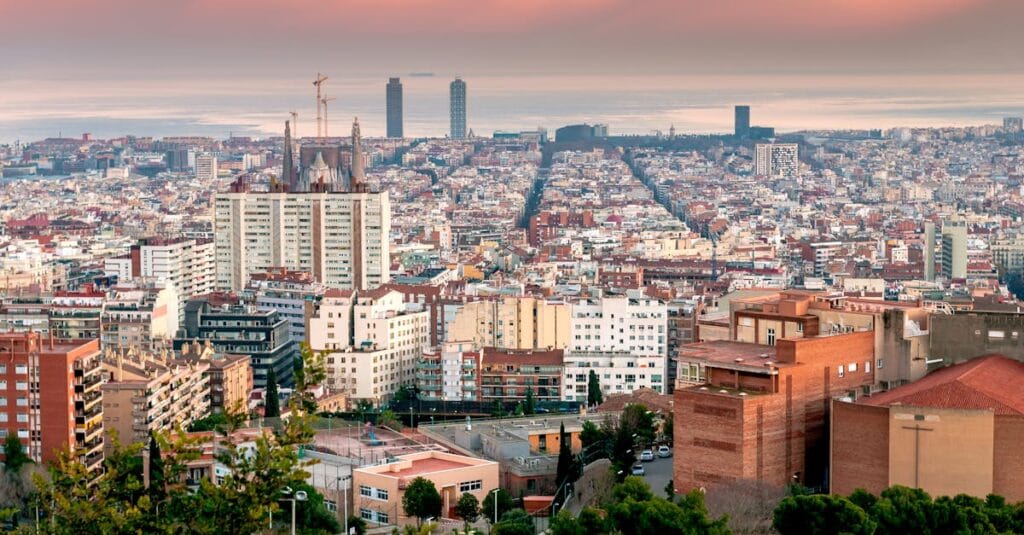
The Eixample district — with its grid layout and chamfered corners — introduces a different kind of structure. Wide streets, consistent buildings, a sense of order that contrasts with the older parts of the city.
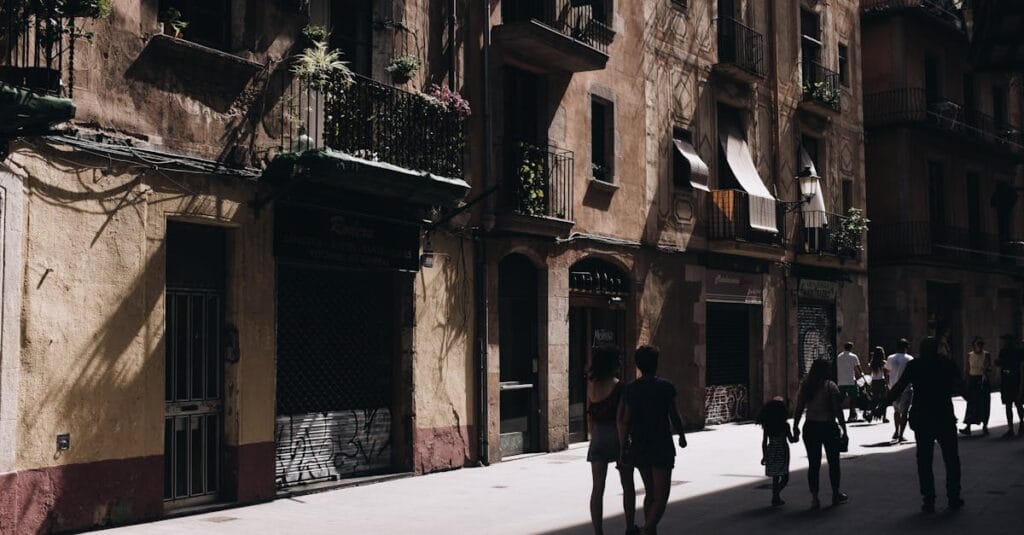
Then there’s the Gothic Quarter.
Narrow streets. Stone walls. Spaces that feel enclosed, almost hidden from the rest of the city.
Each area has its own architectural language.
And each one shapes how you move, how you see, and how you experience the space.
Architecture shaping movement
Barcelona doesn’t guide you in a straight line.
It changes your movement depending on where you are.
In the Eixample, the wide streets make everything feel open. You can see far ahead. Movement feels fluid, predictable.
In the older parts of the city, that changes completely.
Streets narrow. Directions become less obvious. You slow down, not because you choose to, but because the space requires it.
And then suddenly, a small square opens up.
Light returns. People gather. The space expands again.
The architecture doesn’t just define the city.
It defines how you move through it.
A reflection of culture
At some point, architecture stops being just visual.
It starts to feel cultural.
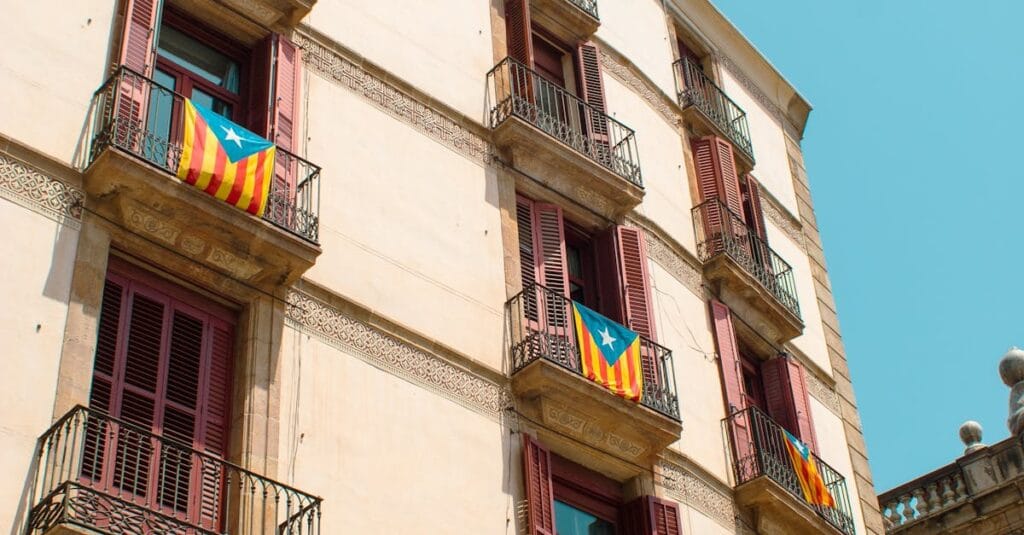
Balconies carry flags.
Windows reflect personal choices.
Buildings show signs of both preservation and adaptation.
There’s a strong sense that these spaces aren’t just functional.
They’re expressive.
Barcelona doesn’t hide its identity.
And that identity is embedded in its buildings — not just in iconic designs, but in everyday details.
The balance between preservation and change
Like many cities, Barcelona exists between past and present.
But what’s interesting is how visible that balance is.
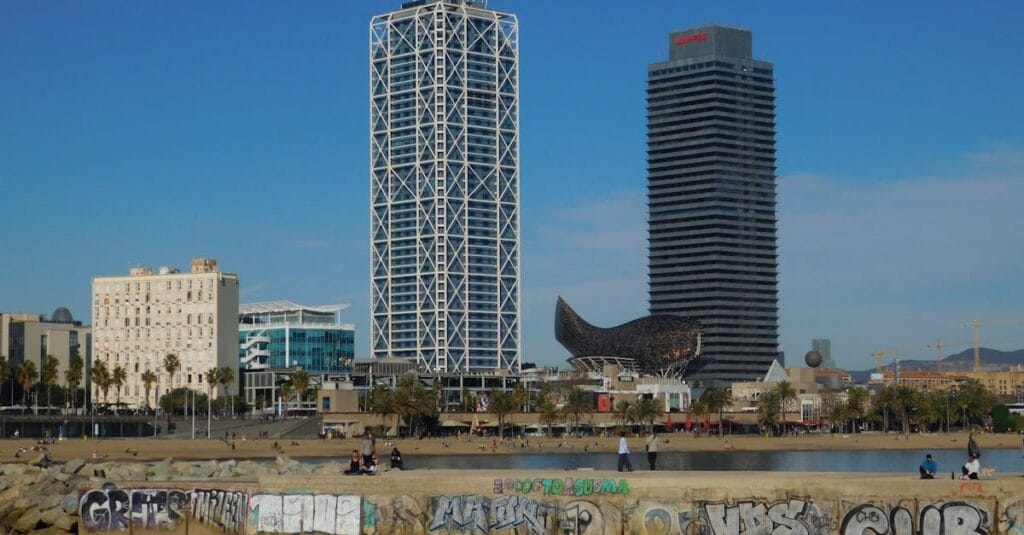
Some buildings are carefully preserved. Others are adapted. New structures appear next to older ones, sometimes blending in, sometimes standing out.
There’s no single approach.
And that creates a kind of tension — but not necessarily a negative one.
It feels more like a conversation.
Between what was there before and what is being added now.
Everyday life within designed spaces
As you spend more time walking, something becomes clear.
No matter how designed or intentional the architecture is, it only comes to life through the people who use it.
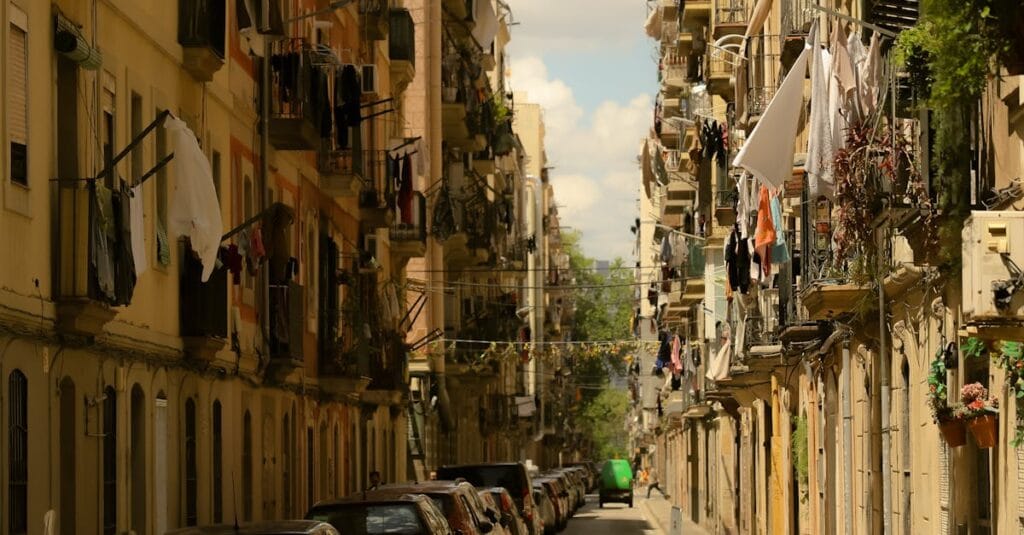
Someone opening a window in the morning.
A conversation happening across a balcony.
A café filling up on a quiet street.
The buildings create the structure.
But it’s the people who give it meaning.
Not everything is perfect
It’s easy to focus on the beauty of Barcelona.
But not everything feels polished.
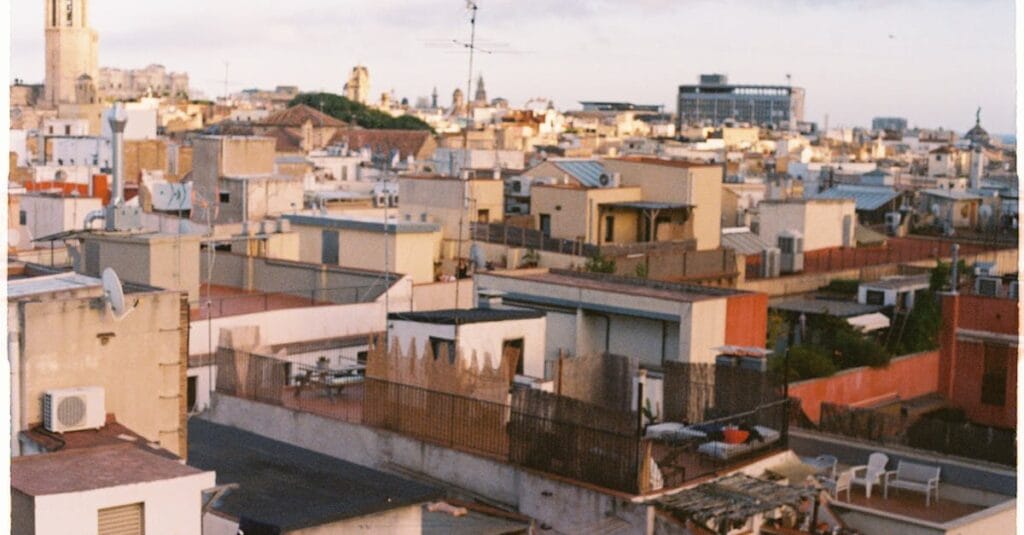
Some areas are worn. Some buildings show age in ways that aren’t curated or preserved. There are contrasts — between what is maintained and what is simply used.
And those contrasts matter.
They remind you that this isn’t just a designed space.
It’s a living one.
A city that feels intentional, but lived
By the end of it, Barcelona feels different from other cities.
Not because it’s more beautiful.
But because it feels more intentional.
And at the same time, completely lived in.
That balance is hard to define, but easy to feel once you spend time there.
What we took with us
Barcelona isn’t just a place with interesting architecture.
It’s a place where architecture tells a story.
About identity.
About culture.
About how a city chooses to present itself — and how it evolves over time.
From Gaudí’s organic forms to the structured grid of the Eixample, to the narrow streets of the old city, everything feels connected.
Not in a perfect way.
But in a way that makes sense once you experience it.
And maybe that’s what stays with you.
Not just what the city looks like.
But how it feels to move through it.
Read More Stories
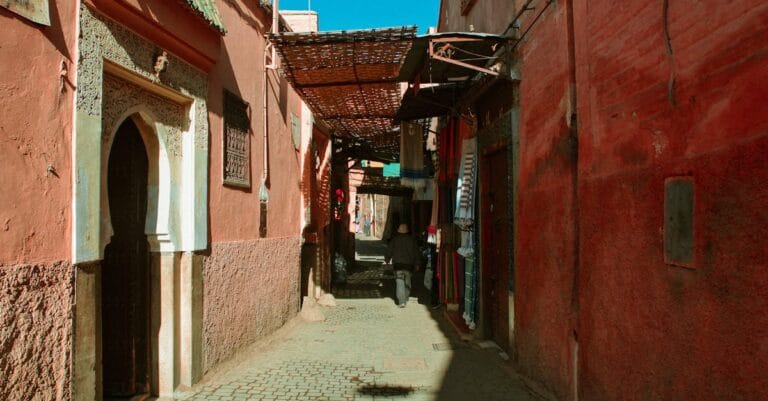
Inside the Medina: Navigating Morocco’s Living Labyrinth
Streets curve, split, reconnect. Corners appear unexpectedly. Pathways narrow to the point...
Read More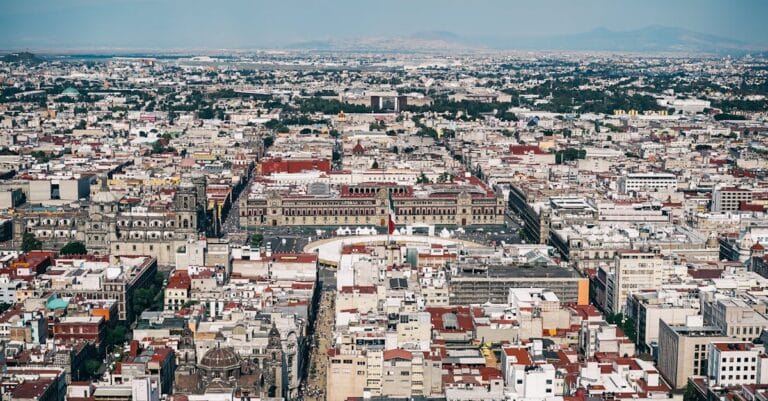
The Layers of Mexico City: Where History Meets Everyday Life
It’s built on history, shaped by change, and defined by the way...
Read More