
There are crowds, constant movement, layers of activity — but everything seems...
Read More
Dubai Beyond the Skyline: Between Modern Ambition and Tradition
- UAE
- Architecture
- Culture
- January 16, 2026
What you see first
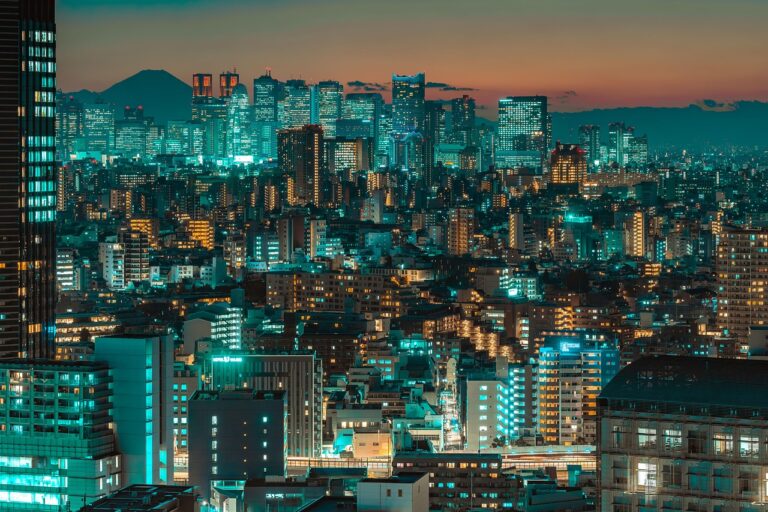
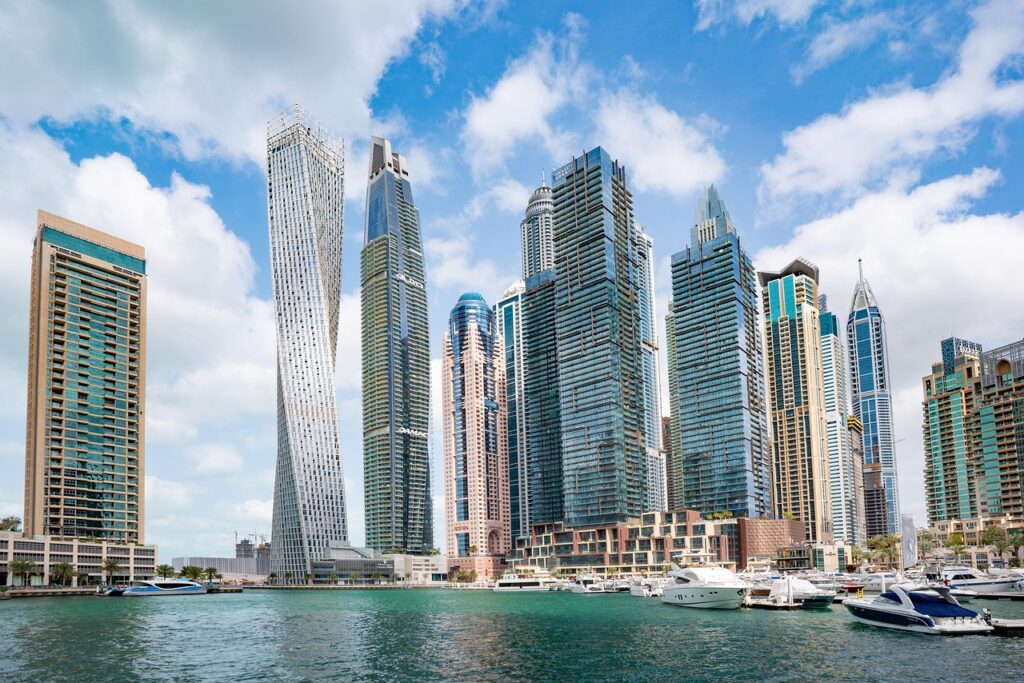
Dubai introduces itself through its skyline.
Glass towers. Clean lines. Buildings that feel designed to stand out rather than blend in.
Everything looks intentional.
Precise. Controlled. Built to be seen.
At first, it feels like the entire city is defined by this image.
But that’s only part of it.
Architecture as a statement
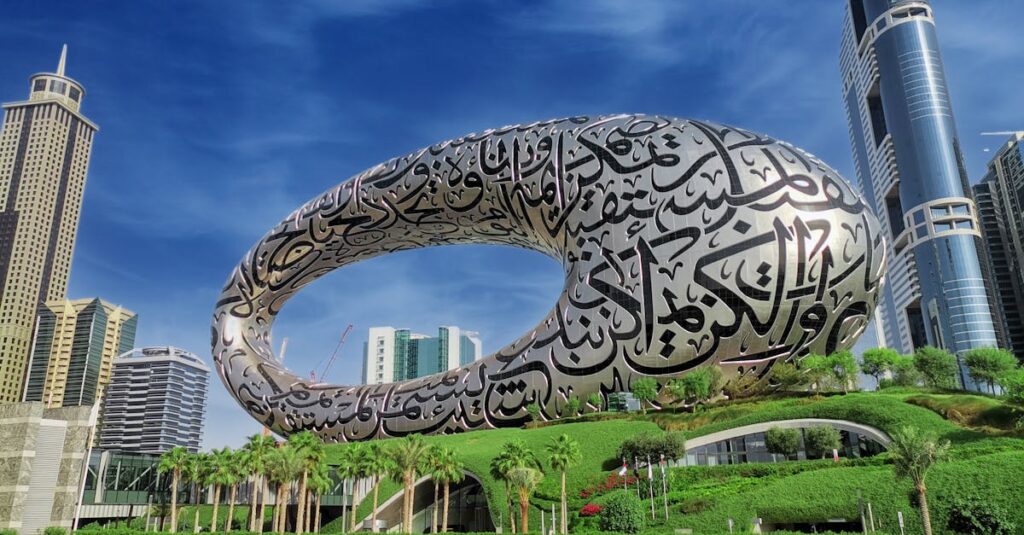
Modern architecture in Dubai doesn’t try to be subtle.
It’s expressive.
Buildings aren’t just functional — they’re statements.
Height, form, material — everything is pushed toward something larger, more visible, more distinct.
It reflects ambition.
Not just in design, but in what the city represents.
Moving beyond the surface
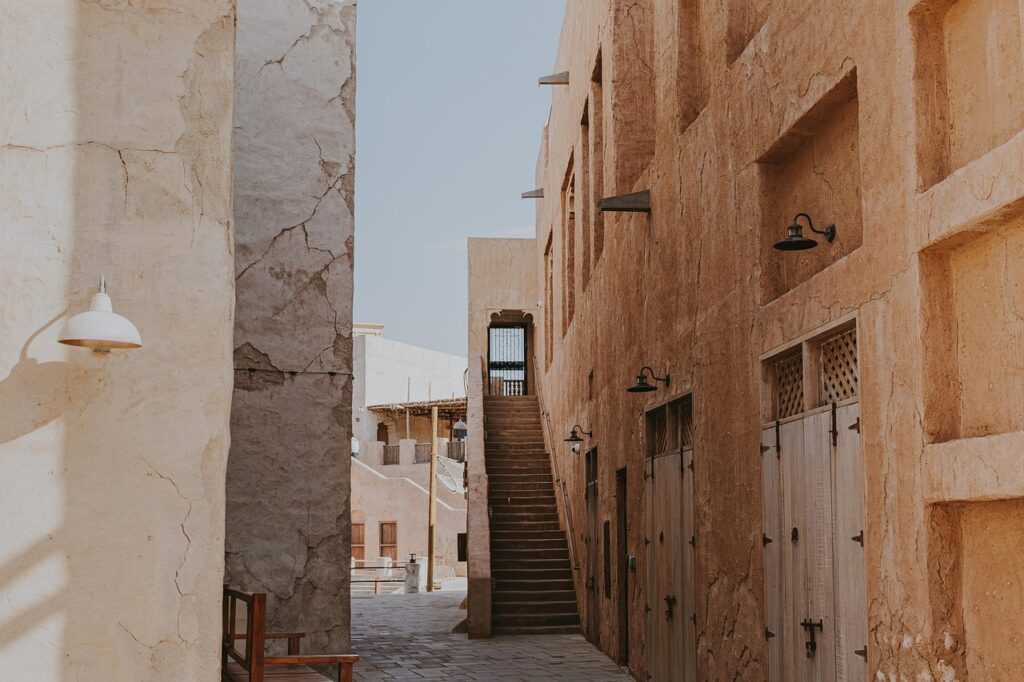
But once you move away from the skyline, the city shifts.
Older districts appear.
Narrow streets. Sand-colored buildings. Wind towers designed for airflow long before modern systems existed.
The scale changes.
The pace changes.
And suddenly, Dubai feels different.
Tradition within a modern city
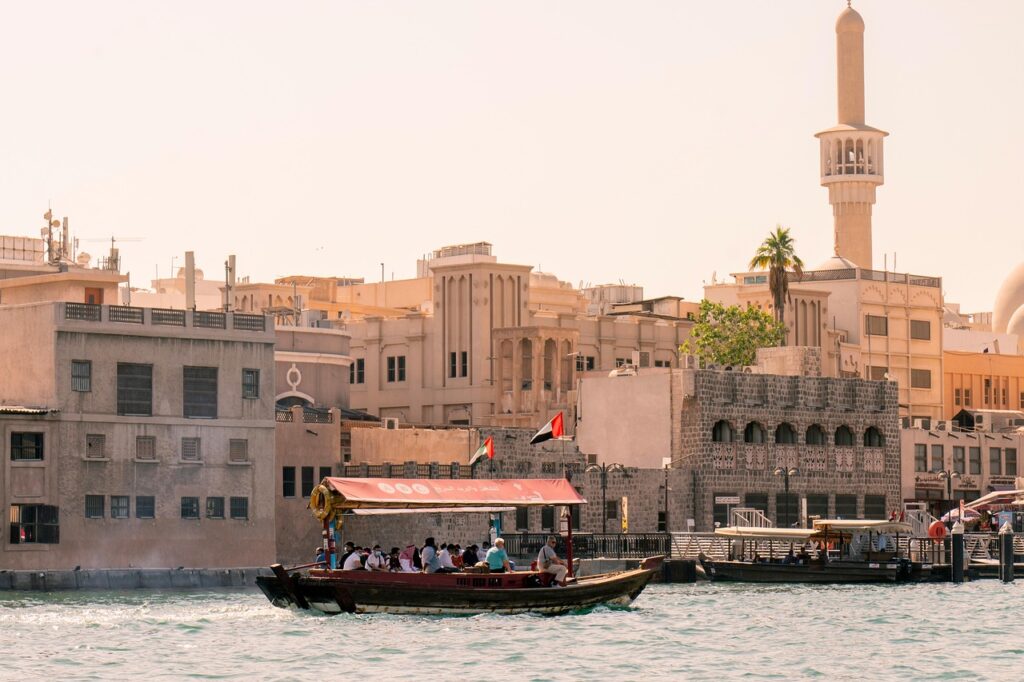
Tradition isn’t absent.
It’s present — but in a different way.
Markets, mosques, daily practices — all continue within a city that has grown rapidly around them.
You see it in small details.
In how people dress.
In how they interact.
In how certain spaces are used.
It’s not separate from the modern city.
It exists within it.
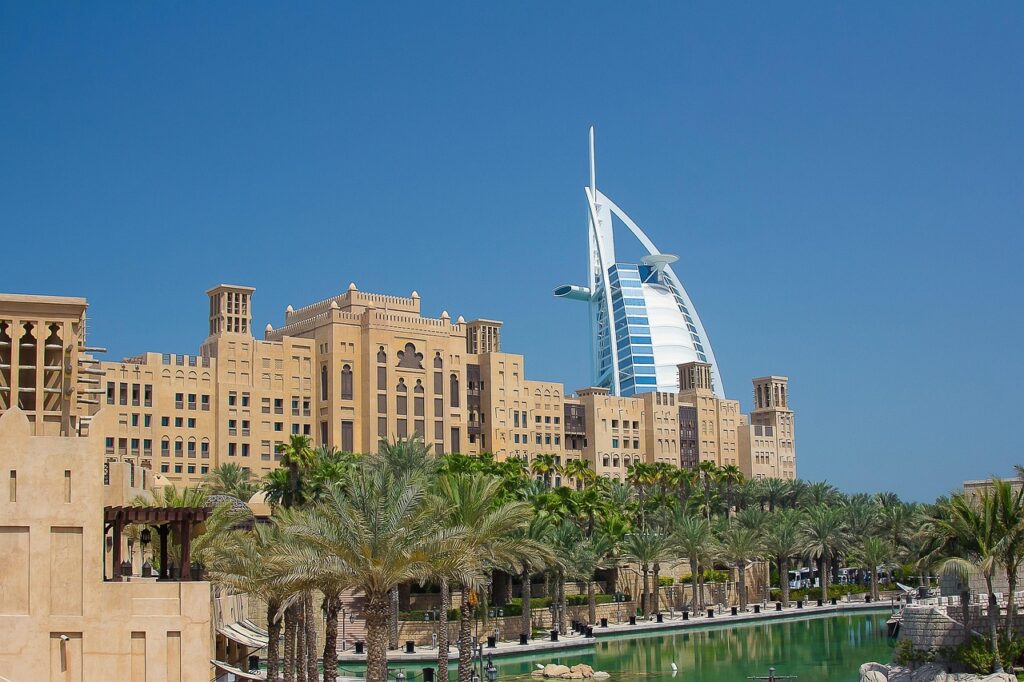
Contrasts that define the experience
Dubai is defined by contrast.
Modern and traditional.
Large and small.
Fast and still.
You can move from one environment to another quickly.
A mall to a market.
A tower to a historic district.
A structured space to something more organic.
And that contrast isn’t hidden.
It’s part of the experience.
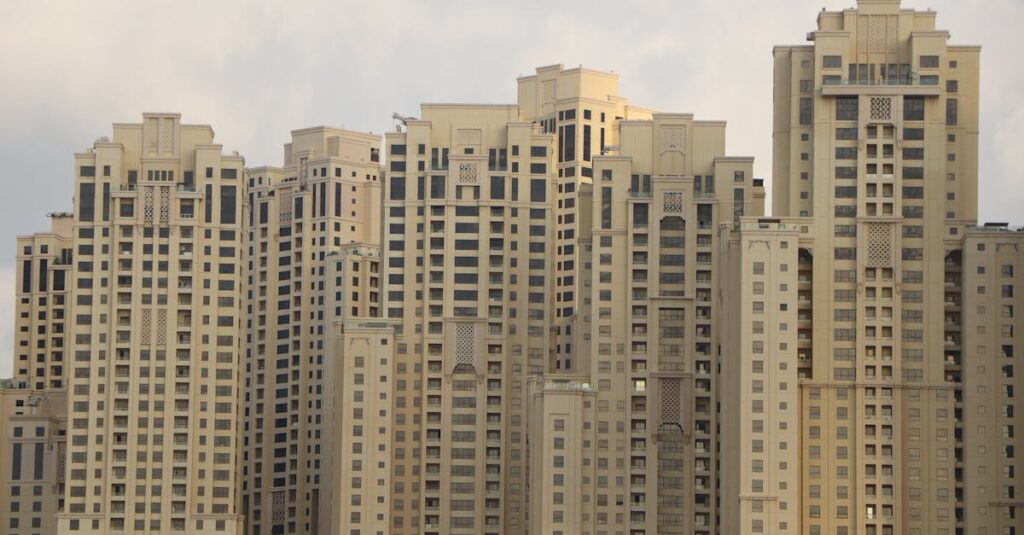
Spaces designed vs spaces lived
Some parts of Dubai feel designed.
Controlled environments where everything is planned, arranged, and maintained.
Other parts feel lived in.
Less structured. More natural. Shaped by daily routines rather than design.
And the difference between these spaces becomes noticeable.
Not as a conflict.
But as a contrast in how the city is experienced.
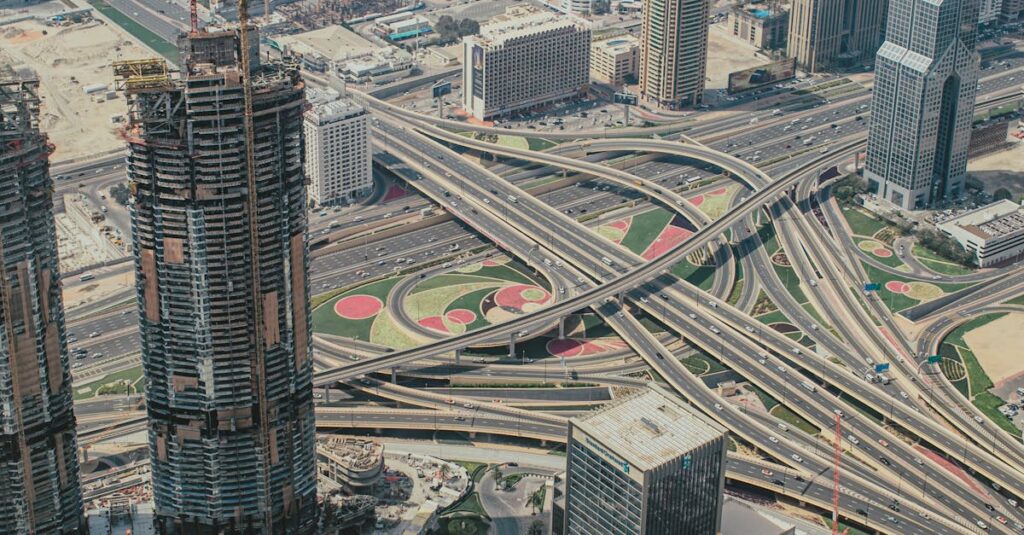
A city built quickly, but still forming
Dubai feels new.
Not unfinished, but still evolving.
Construction continues. New spaces appear. The city changes faster than many others.
And that creates a sense that what you’re seeing isn’t final.
It’s part of something still being built.
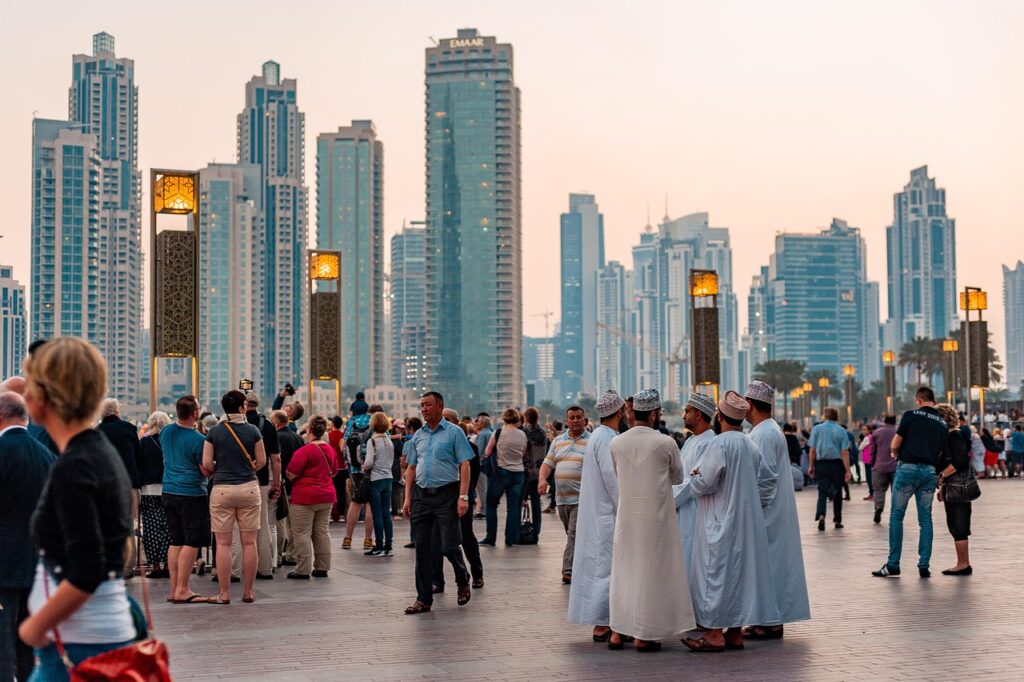
Identity beyond appearance
At some point, the focus shifts away from the buildings.
To the people.
A diverse population, different backgrounds, different experiences of the same city.
And through that, Dubai becomes less about what it looks like.
And more about how it’s lived.
Not everything is what it seems
Dubai can feel defined by its image.
But that image doesn’t tell the whole story.
There are layers.
Some visible. Some less so.
And understanding the city means looking beyond what stands out immediately.
What we took with us
Dubai isn’t just a modern city.
It’s a place where modern ambition and tradition exist at the same time.
Not always blending.
But coexisting.
Through architecture, through culture, through the way different spaces are experienced.
It’s not a single narrative.
It’s multiple ones, happening together.
And maybe that’s what stays with you.
Not just the skyline.
But everything beyond it.
Read More Stories
Istanbul Between Continents: Where East and West Meet
Istanbul is often described as a bridge. Between Europe and Asia. Between...
Read More
Food, Landscape, and Identity: Eating Across South Africa
Mountains, coastline, open land, vineyards each environment brings something different.
Read More