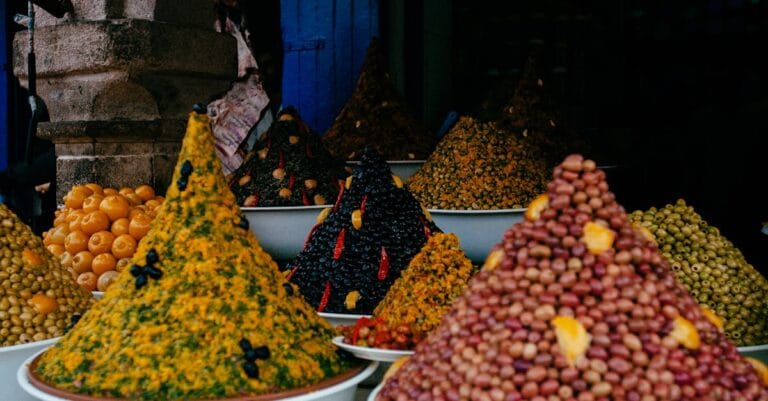
In Marrakech, food isn’t separate from daily life. It’s part of it....
Read MoreStarting without a fixed direction

There’s something different about starting a journey without a fixed plan.
No strict itinerary. No clear list of places that need to be seen. Just a direction — and even that can change.
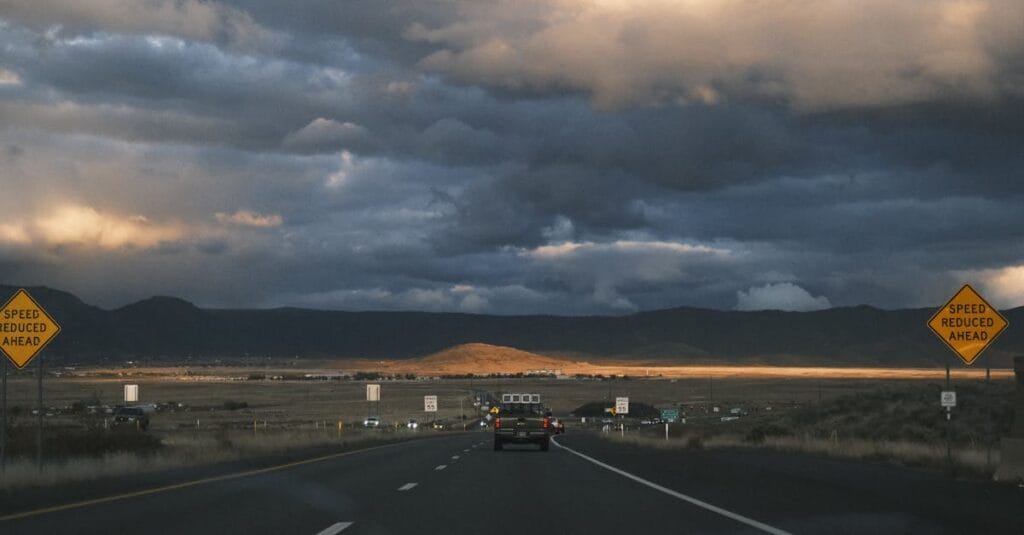
Driving through the United States feels like entering a space where distance matters, but not in the way you expect.
Miles pass slowly, but also disappear without much notice.
The road becomes the constant.
Everything else — cities, towns, landscapes — appears, then fades, then is replaced by something else.
And somewhere in that movement, you stop thinking about where you’re going.
You start paying attention to where you are.
The road as a space of its own
The road isn’t just a way to get somewhere.
It becomes its own environment.
Hours pass with little change. Music fills the space. Conversations come and go. Silence appears naturally, without needing to be filled.
You look out the window and see variations of the same thing — then suddenly something completely different.
Mountains. Flat land. Forest. Desert.
Each shift feels gradual, but also immediate.
And the movement itself becomes part of the experience.
Stops that weren’t planned
Some of the most memorable moments don’t come from destinations.
They come from stops.
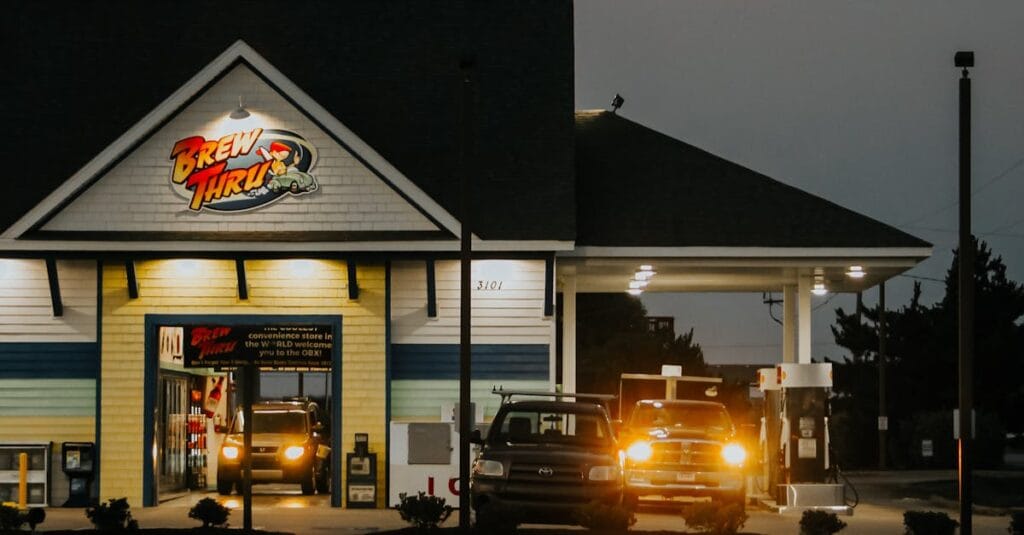
A gas station that turns into a longer break.
A small town that wasn’t on the map.
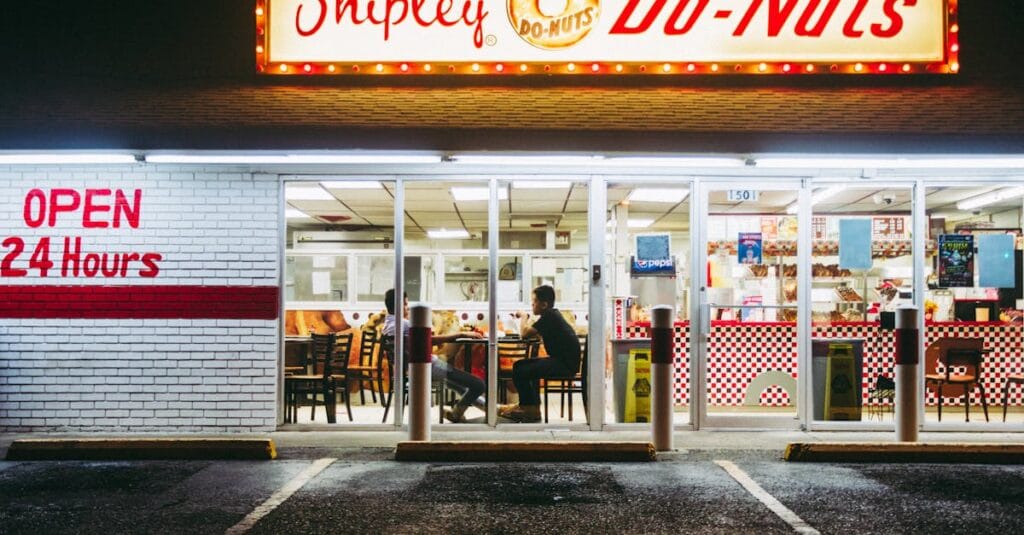
A diner that looks like it hasn’t changed in years.
You don’t arrive expecting anything.
And that’s what makes these places stand out.
They don’t need to impress you.
They just exist — and you happen to be there.
Conversations that happen briefly
On the road, conversations are often short.
You meet someone, exchange a few words, maybe a few more, and then move on.
There’s no expectation that the interaction will continue.
And because of that, it feels simple.
A waitress asking where you’re coming from.
Someone at a gas station commenting on the route ahead.
A brief exchange that gives you just enough of a glimpse into someone else’s day.
These moments don’t last.
But they stay with you.
A culture shaped by movement
Traveling through the United States, you start to notice how much of the culture is connected to movement.
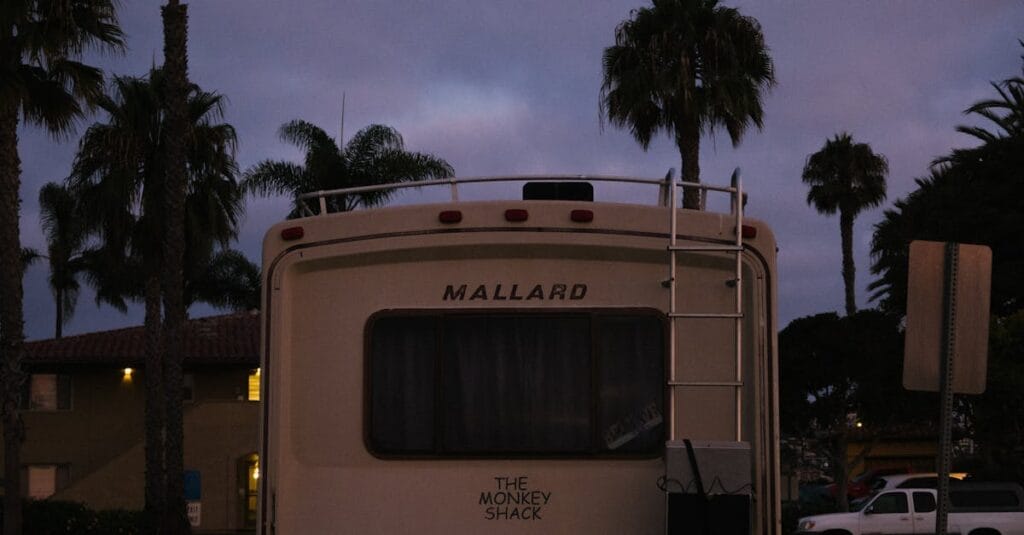
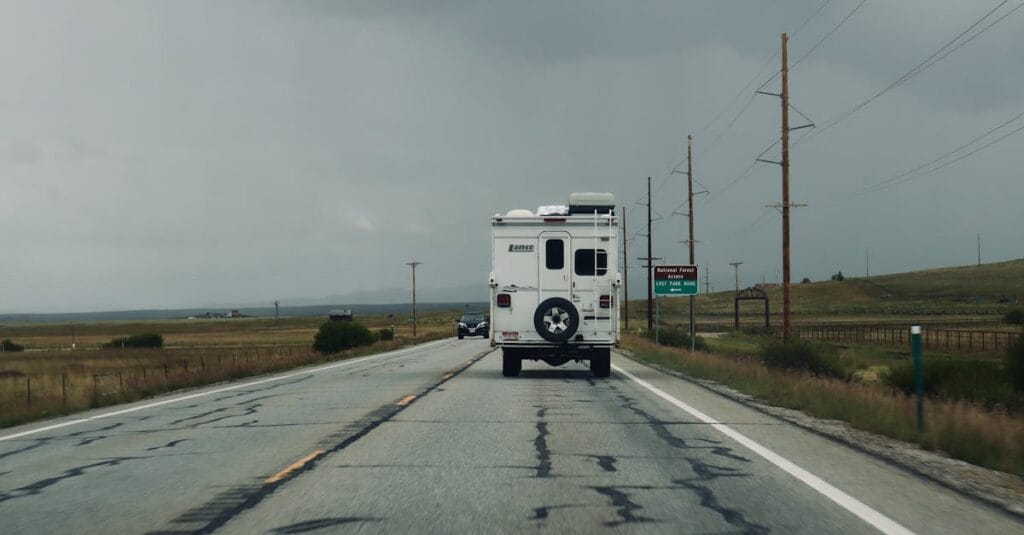
Cars, trucks, vans — everything is designed around going somewhere.
Distances are large. Places are spread out. The road isn’t just a choice.
It’s a necessity.
And over time, that shapes how people live.
How they travel.
How they plan.
How they experience space.
Being alone, but not isolated
There are long stretches where you’re alone.
Or at least, it feels that way.
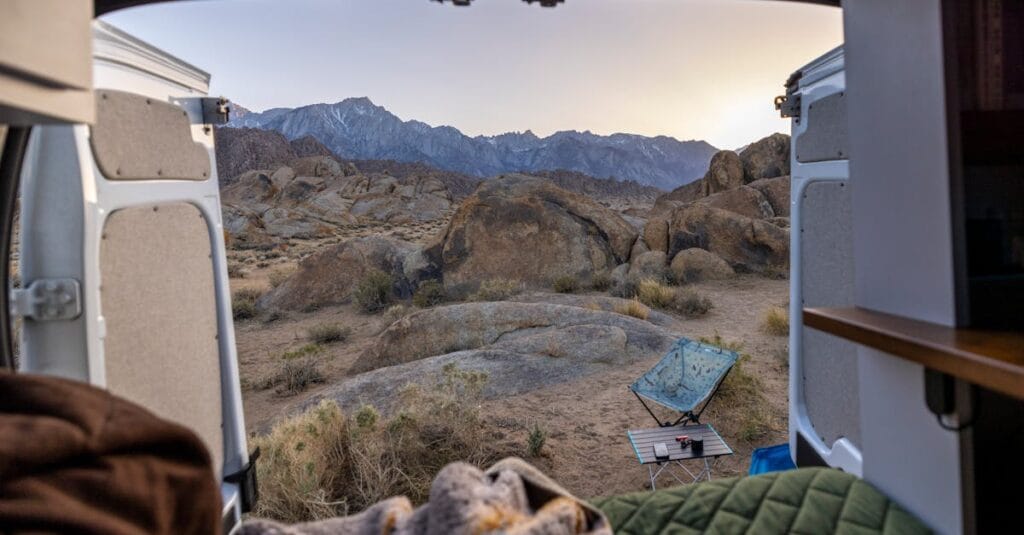
The road extends ahead. Few cars pass. The landscape opens up in every direction.
And yet, it doesn’t feel isolating.
It feels… spacious.
Like there’s room to think. Room to pause. Room to experience something without interruption.
And that kind of space changes how you move through the day.
The repetition that becomes routine
After a few days, a routine forms.
Wake up. Drive. Stop. Eat. Continue.
It’s simple.
But within that simplicity, there’s variation.
No two days feel exactly the same, even if the structure repeats.
And that balance — between repetition and change — becomes part of the experience.
Not everything is ideal
The road isn’t always smooth.
There are long drives that feel endless. Places that don’t leave an impression. Moments where things don’t go as planned.
But those parts are part of the experience too.
They make everything else feel more real.
Less curated. Less controlled.
The feeling of constant transition
Nothing stays the same for long.
You move from one place to another, often without fully processing where you’ve been before entering something new.
And that constant transition creates a different kind of awareness.
You’re always in between.
Not fully arrived. Not fully leaving.
Just moving.
What we took with us
Life on the road isn’t defined by a single place.
It’s defined by movement.
By the spaces in between destinations.
By the people you meet briefly.
By the routines that form and dissolve as you go.
There’s no clear narrative.
No single moment that defines the experience.
Just a series of encounters, landscapes, and small interactions that come together over time.
And maybe that’s what stays with you.
Not where you went.
But how it felt to keep moving.
Read More Stories
At the Table in Lisbon: What Food Reveals About the City
Meals aren’t styled. Spaces aren’t curated for appearance. There’s no sense that...
Read MoreWho Lives in Dubai: Between Expat Life and Cultural Diversity
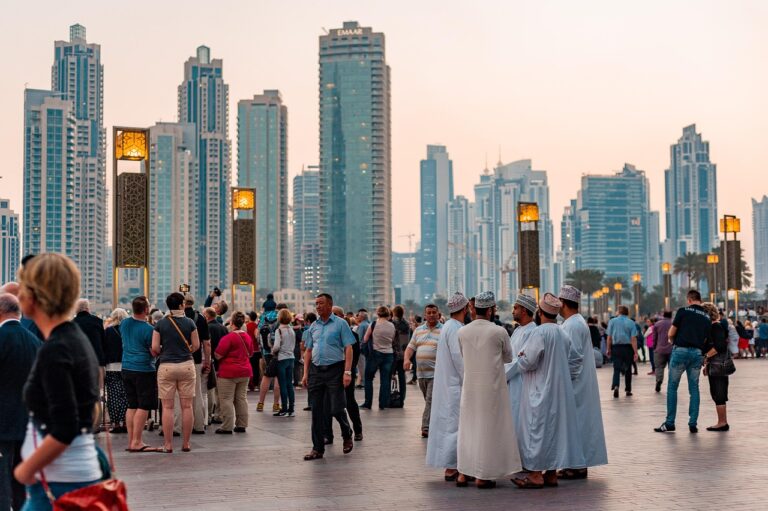
Dubai isn’t a city most people are from. It’s a city people...
Read More