Whether it’s a short exchange at a café or a longer conversation...
Read MoreLiving Around History: Where the Past and Present Share the Same Space

- Egypt
- Architecture
- Culture
- January 7, 2026
History that isn’t distan
In many places, history feels contained.
You visit it. You observe it. Then you return to the present.
In Cairo, it doesn’t work like that.
History isn’t something you go to.
It’s something you’re already inside.
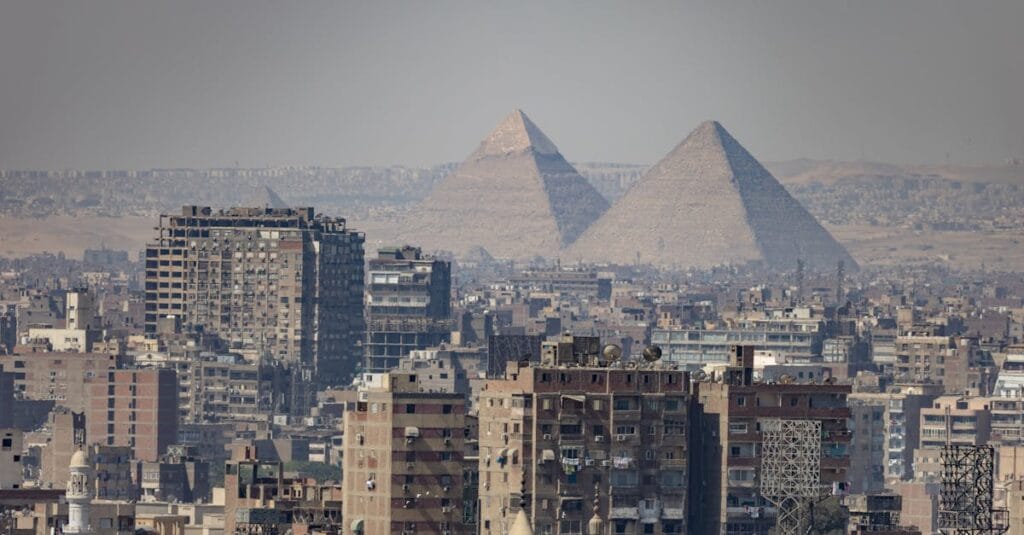
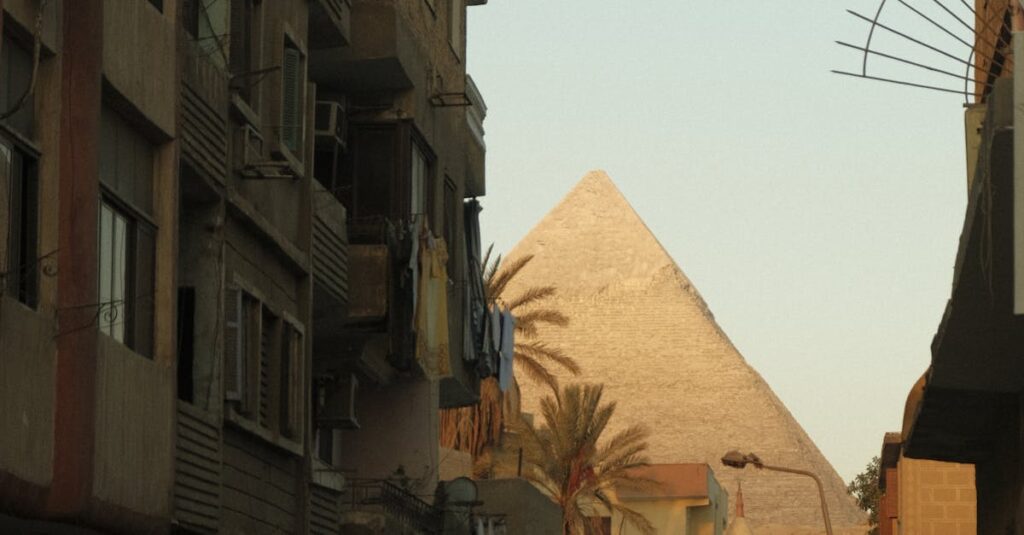
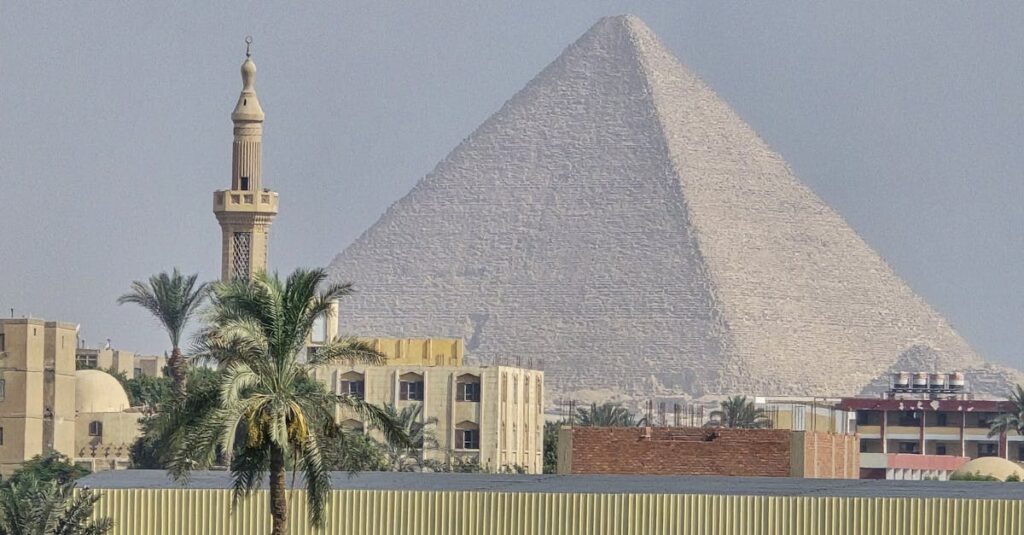
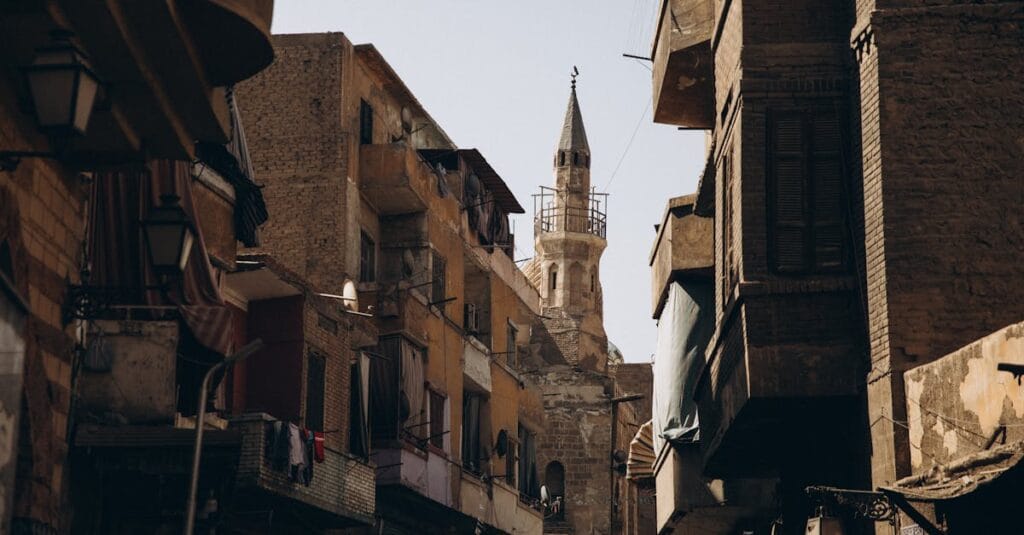
The pyramids sit just beyond the movement of the city. Mosques rise within neighborhoods that are still active, still evolving.
There’s no clear boundary.
The past doesn’t stay in the past.
Structures that outlast time
Some structures feel permanent.
Stone that has remained in place for centuries. Designs that have outlasted generations, climates, and changes in the city around them.
They don’t feel fragile.
They feel enduring.
And that endurance changes how you see them.
Not as relics.
But as part of a longer continuity.
The present built around the past
Modern life doesn’t avoid these structures.
It builds around them.
Streets form near them. Shops open beside them. People pass by without stopping.
The city adapts, rather than replacing.
And that creates a landscape where different time periods exist together.
Not in a curated way.
But in a way that feels natural.
Everyday life continues
What stands out most is how normal everything feels.
People don’t stop constantly to reflect on where they are.
They move through these spaces as part of their daily routine.
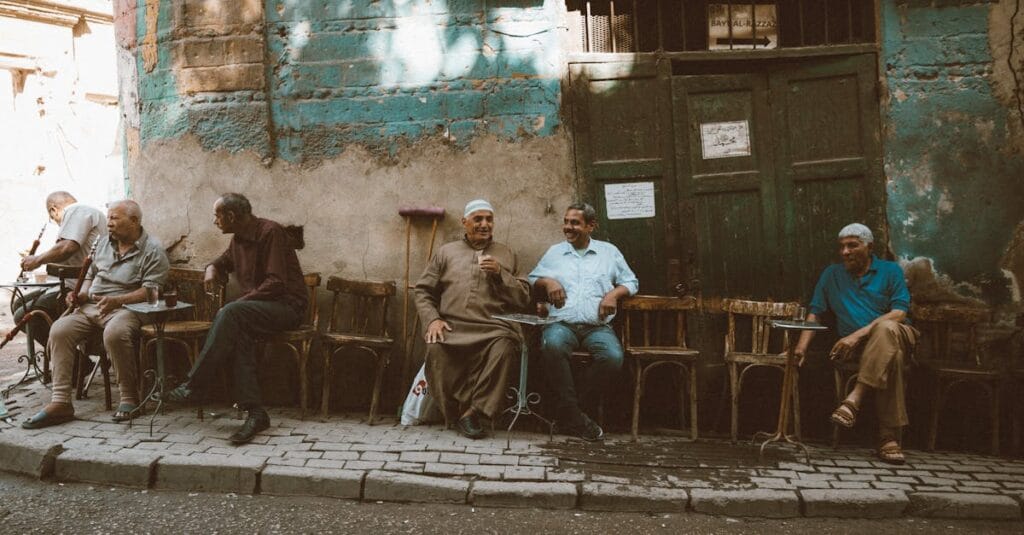
Going to work. Meeting someone. Sitting, talking, waiting.
History becomes part of the background.
Not ignored.
But not treated as something separate.
A contrast that becomes natural
At first, the contrast feels strong.
Old and new side by side.
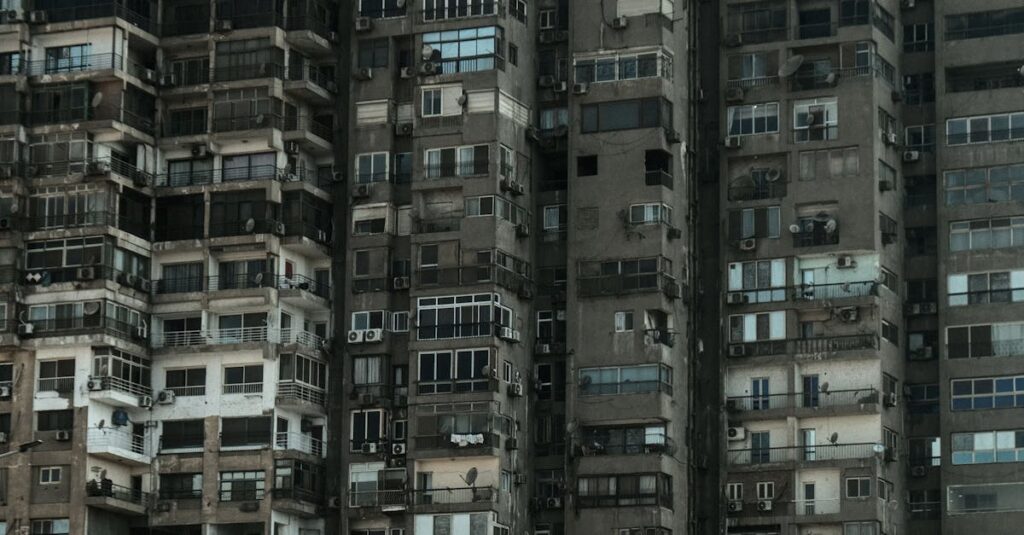
Different materials. Different scales. Different meanings.
But over time, that contrast becomes less noticeable.
It becomes normal.
Because the city isn’t trying to resolve it.
It’s simply allowing both to exist.
Spaces that carry memory
Some spaces feel like they carry memory.
Not in a literal sense, but in the way they look, the way they’ve aged, the way they’ve been used.
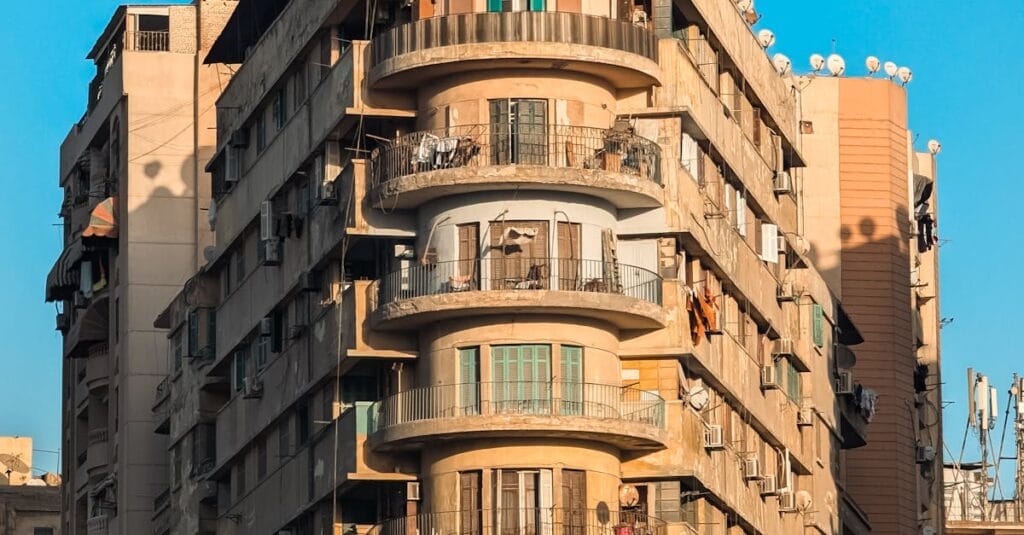
Walls show wear. Surfaces change over time. Details reflect use rather than preservation.
These aren’t untouched spaces.
They’re lived in.
And that makes them feel more connected to the present.
Not everything is preserved
History in Cairo isn’t always preserved in a controlled way.
Some places feel worn. Some feel partially maintained. Some exist somewhere in between.
But that doesn’t take away from their presence.
If anything, it reinforces it.
Because they’re not frozen in time.
They’re part of a living environment.
Living with continuity
There’s a sense of continuity.
Not something you can define clearly.
Just a feeling that what exists now is connected to what existed before.
That the city hasn’t replaced itself.
It has carried itself forward.
What we took with us
In Cairo, history isn’t something separate from life.
It’s part of it.
Not always highlighted. Not always explained.
But always present.
The past and present don’t compete.
They coexist.
And maybe that’s what makes the city feel the way it does.
Not divided between what was and what is.
But existing as both, at the same time.
Read More Stories
Who Lives in Dubai: Between Expat Life and Cultural Diversity
Dubai isn’t a city most people are from. It’s a city people...
Read MoreIstanbul Between Continents: Where East and West Meet
Istanbul is often described as a bridge. Between Europe and Asia. Between...
Read More