Eating in Tokyo: Precision, Ritual, and Everyday Food Culture

Meals shaped by attention

In Tokyo, food isn’t rushed.

Even when it’s quick, it’s not careless.

There’s attention in everything — from preparation to presentation, from how something is served to how it’s received.

You notice it immediately.

Not as something exaggerated.

But as something consistent.

Each action feels deliberate.

And that changes how you experience the meal.

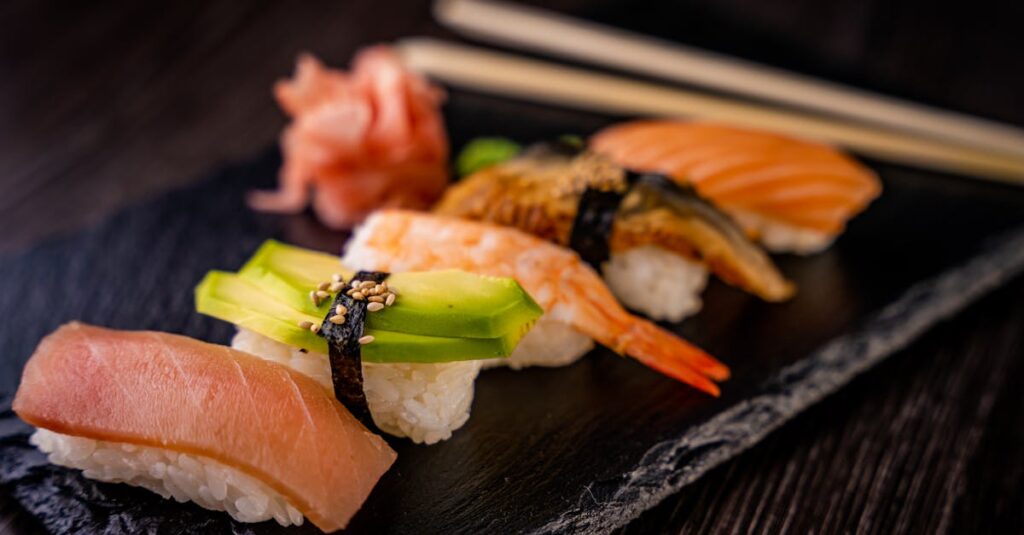
A variety of nigiri sushi including salmon, tuna, shrimp, and avocado on slate plate.

Sushi as more than a dish

Sushi feels familiar — until you experience it here.

At a small counter, the interaction becomes part of the meal.

The chef prepares each piece individually. Places it in front of you. Waits, not for approval, but for completion.

You eat it as it is.

No additions. No adjustments.

It’s not just about the taste.

It’s about timing, balance, and trust in the process.

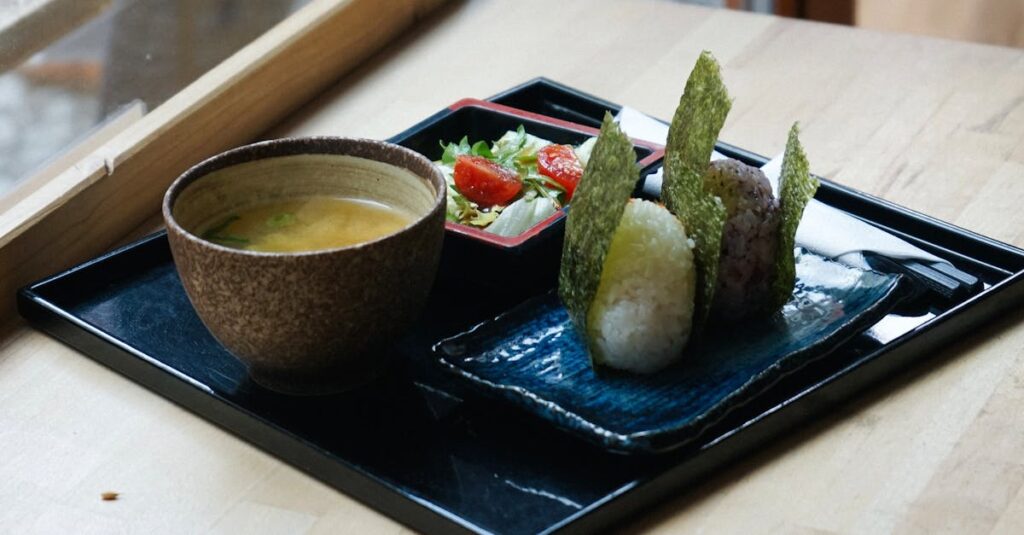
Delicious Japanese meal with onigiri, miso soup, and salad served indoors in Berlin.

Simplicity that requires precision

Many dishes appear simple.

Rice. Fish. Noodles. Broth.

But that simplicity leaves no room for error.

Everything has to be exact.

Temperature. Texture. Timing.

What looks minimal is actually controlled.

And that control becomes part of the experience.

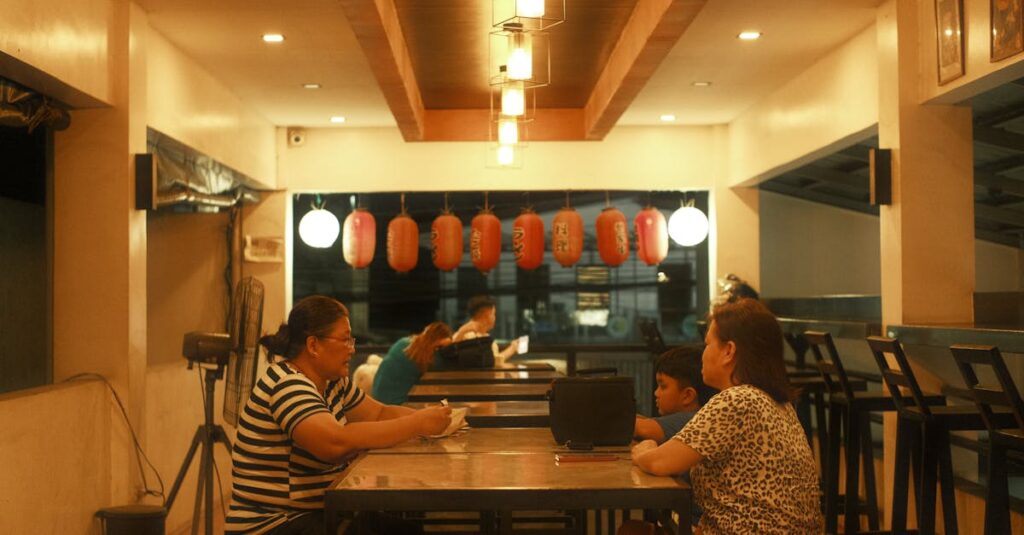
Warm ambiance inside a Japanese restaurant with red lanterns and patrons dining.

Eating quickly, but not casually

Not all meals are slow.

In many places, eating happens quickly.

At ramen shops. At counters. During short breaks in the day.

People arrive, eat, and leave.

But even in that speed, there’s focus.

No distractions. No extended pauses.

Just attention on the food, even if only for a few minutes.

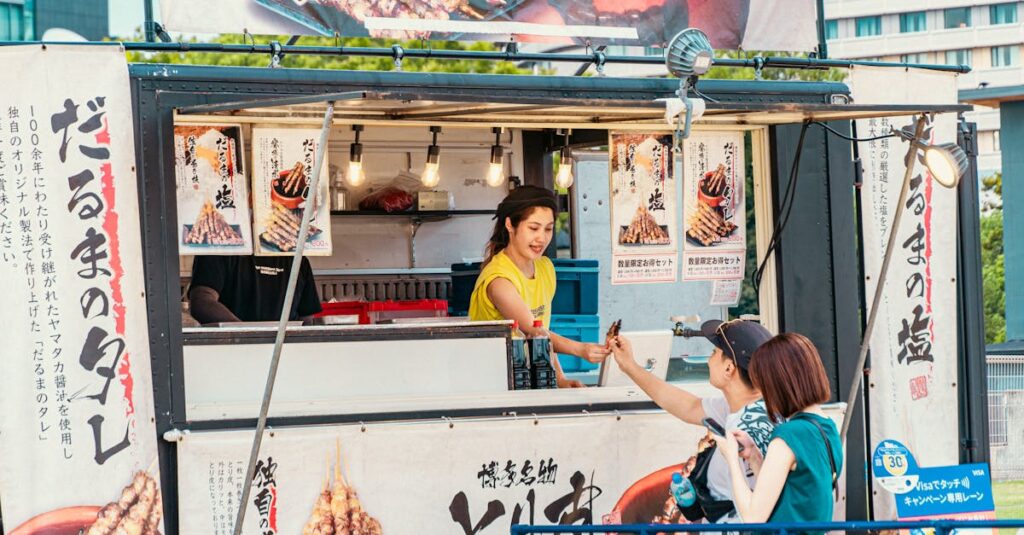
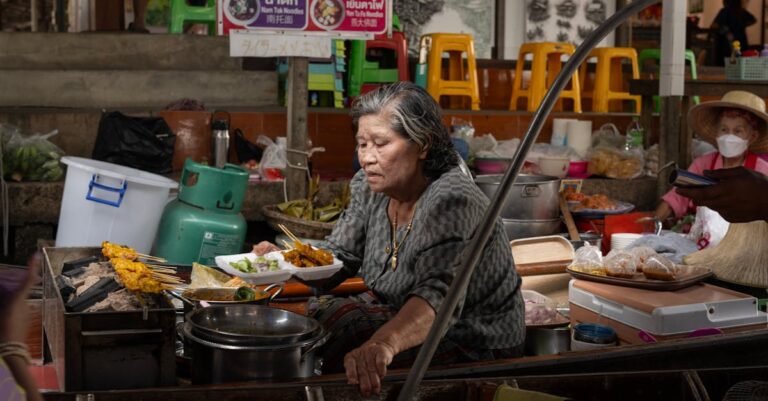
Street food vendor serves customers at a lively Japanese market.

Street food within structure

Street food exists, but it feels different from other places.

More structured. More contained.

Stalls are organized. Spaces are defined. Movement around them follows a pattern.

You don’t wander aimlessly between them.

You approach, order, eat, and move on.

And even in these informal settings, the same attention to detail remains.

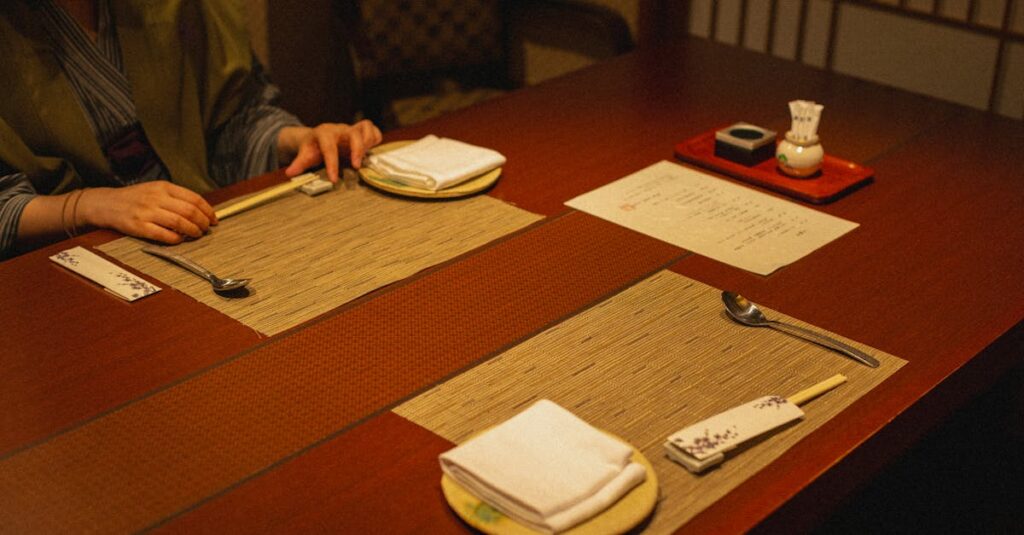
Traditional Japanese dining setup in Kamogawa, Chiba with intricate tableware.

Etiquette at the table

Eating in Tokyo comes with an unspoken understanding.

How to hold chopsticks. When to speak. How to interact with the person serving you.

Nothing feels enforced.

But everything is present.

People follow these patterns naturally.

And over time, you begin to notice them.

Then, slowly, to follow them.

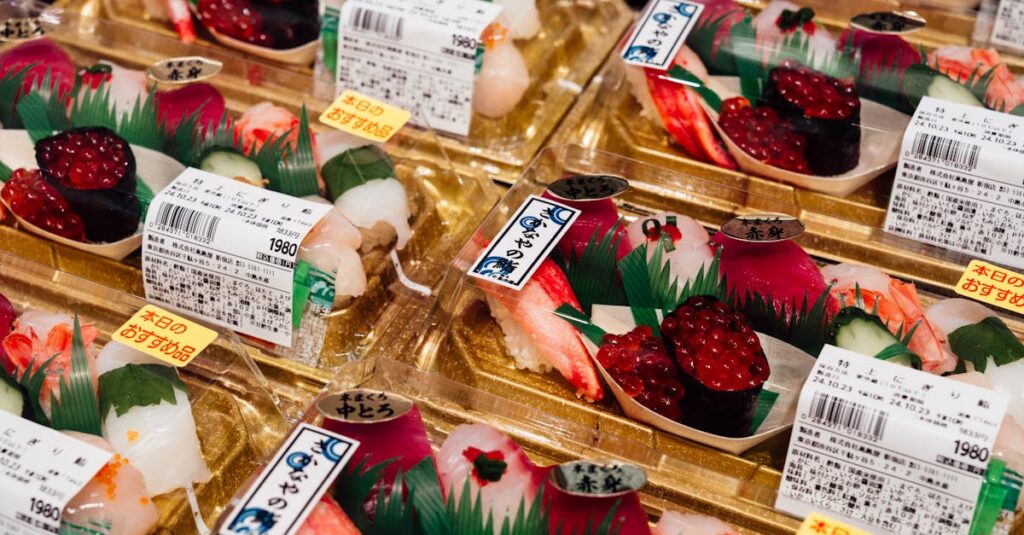
Freshly prepared assorted sushi in traditional Japanese packaging displayed in a market.

Convenience without losing quality

Even convenience food feels considered.

Convenience stores offer meals that are simple, but carefully prepared.

Bento boxes. Rice dishes. Small portions arranged thoughtfully.

Nothing feels thrown together.

Even in the most accessible spaces, there’s a standard.

And that consistency becomes part of the culture.

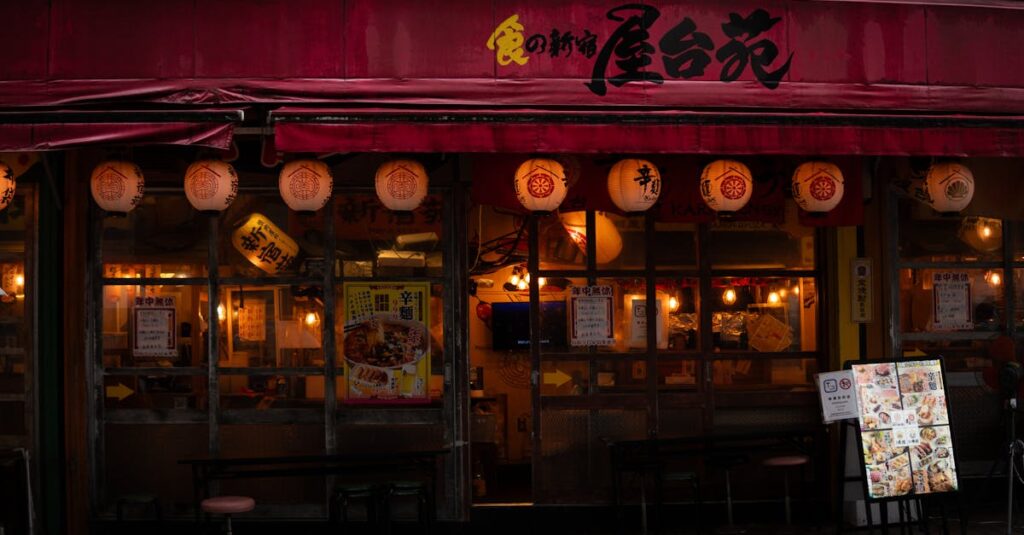
Cozy Japanese restaurant with red lanterns, inviting warm lights, and Asian signage.

Quiet spaces for eating

Many places to eat are small.

Limited seating. Close spaces. A quiet atmosphere.

Conversations are minimal. Movement is controlled.

The focus stays on the meal.

And that creates a different kind of experience.

One that feels contained, but not restrictive.

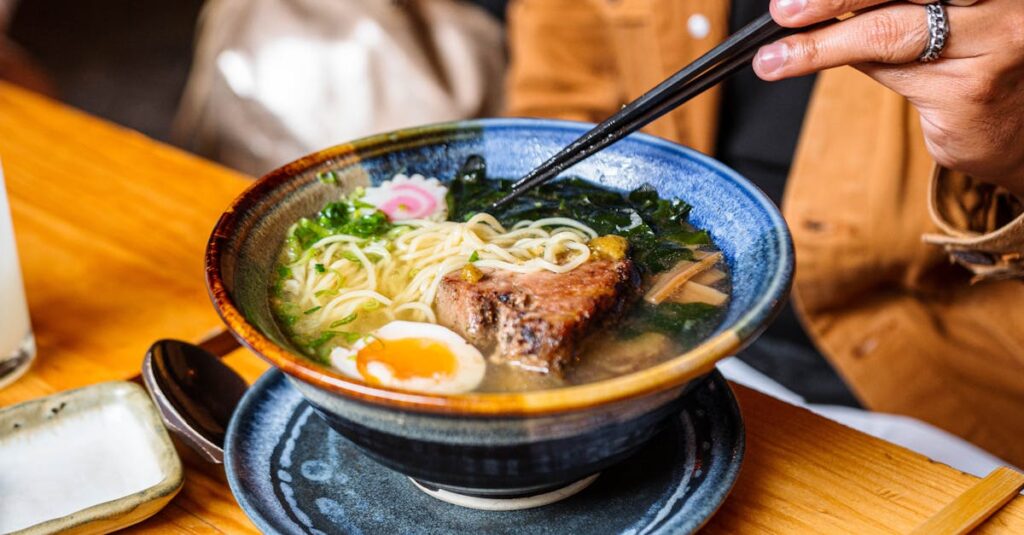
A vibrant bowl of ramen with chopsticks, showcasing a perfect mix of ingredients.

Not about excess

Nothing feels excessive.

Portions are balanced. Presentation is clean. Meals are complete without being overwhelming.

There’s no need to add more.

Because what’s there is enough.

And that sense of balance carries through everything.

What the experience reveals

At some point, you realize that food in Tokyo isn’t just about taste.

It reflects a way of approaching things.

Attention to detail. Respect for process. Consistency in small actions.

The meal becomes an expression of something larger.

Not something explained.

But something experienced.

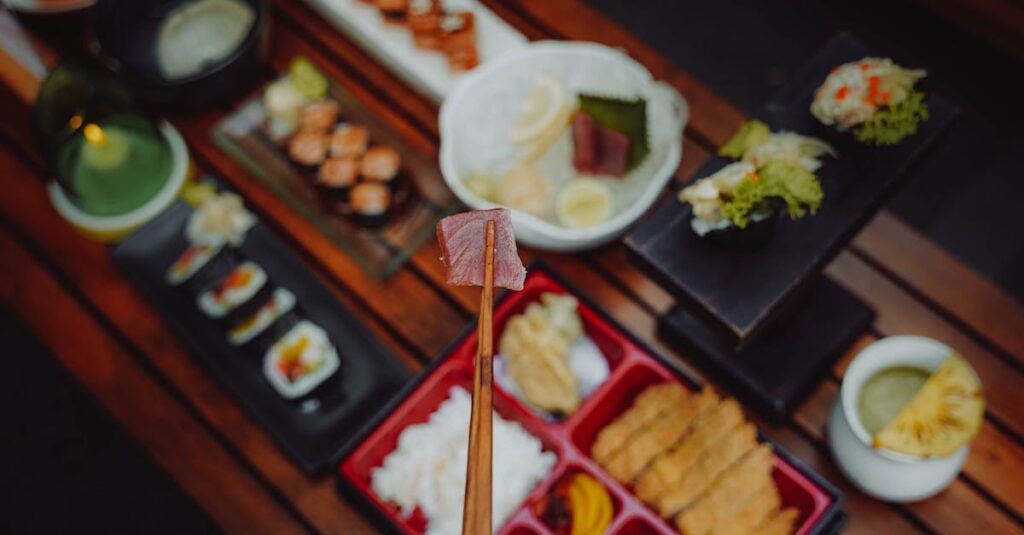
A close-up of various Japanese sushi dishes on a wooden table.

What we took with us

Eating in Tokyo isn’t defined by a single dish.

It’s defined by how food is approached.

With care.
With precision.
With an understanding that even small details matter.

Nothing feels exaggerated.

Nothing feels accidental.

And maybe that’s what stays with you.

Not just what you ate.

But how it felt to be part of that process.

Read More Stories