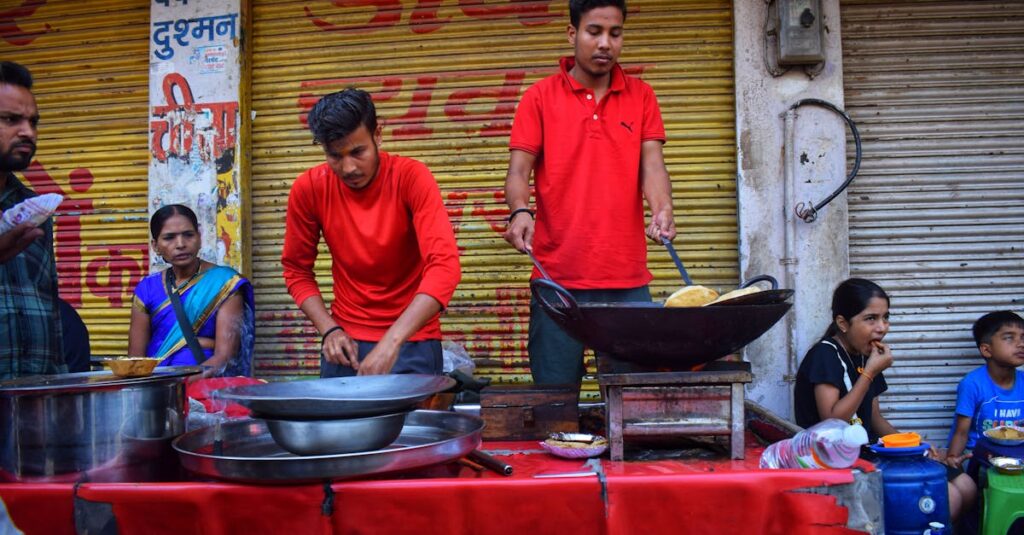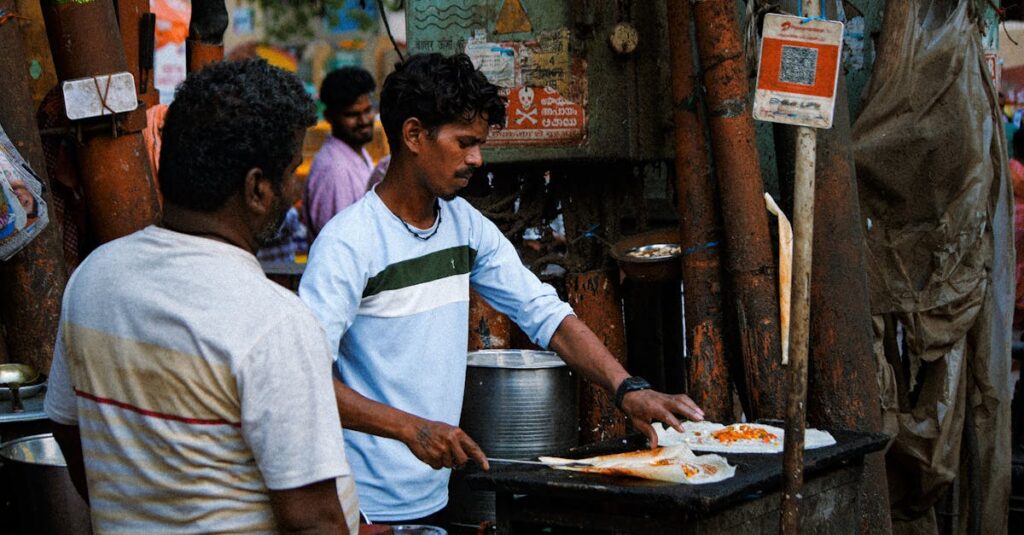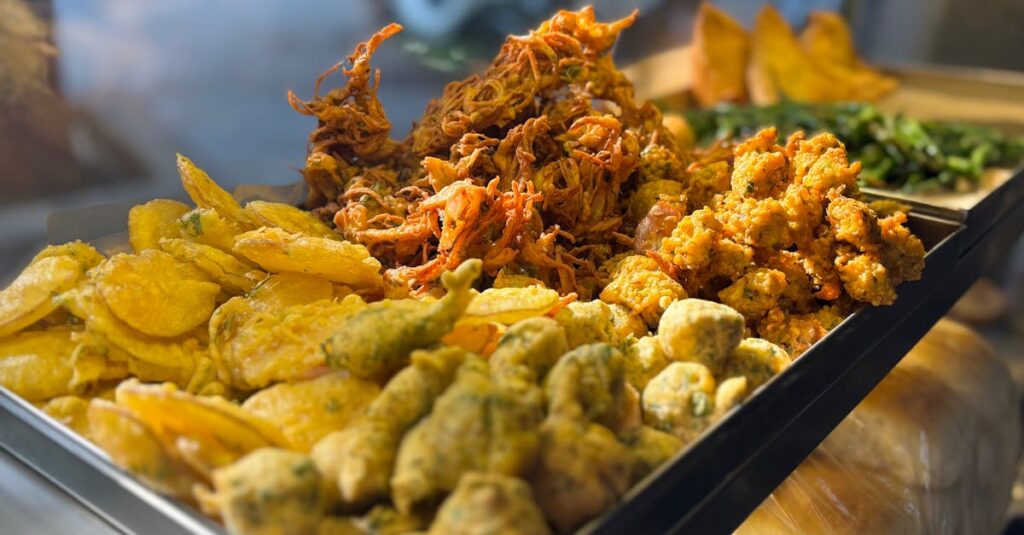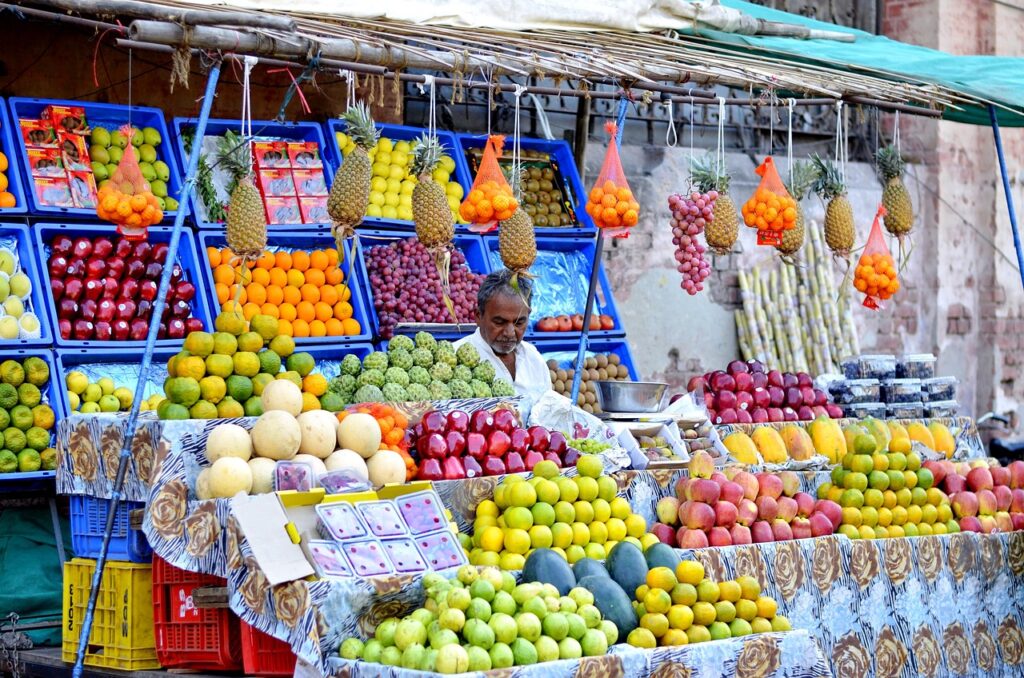
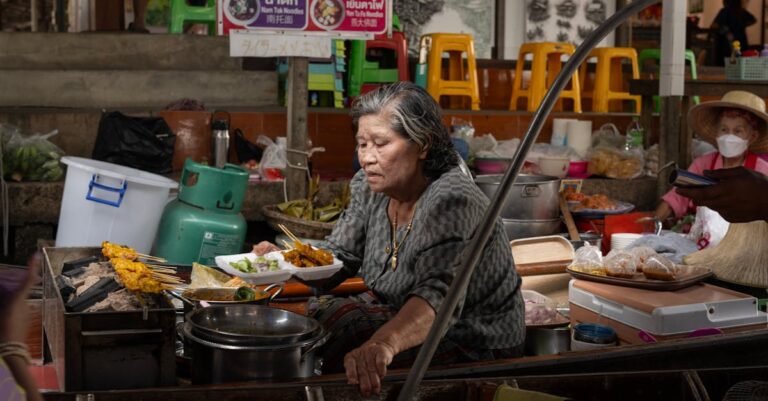
Along sidewalks, at intersections, inside markets, outside shops — food appears wherever there’s...
Read MoreMore than just what’s on the plate

In India, food isn’t just something you eat.
It’s something that carries meaning.
A meal reflects where you are, who prepared it, and the traditions that shape it. Even a simple plate can hold multiple elements — different flavors, textures, and combinations that exist together rather than separately.
You don’t experience one thing at a time.
You experience everything at once.
And that becomes part of how the culture expresses itself.
Spices as a language
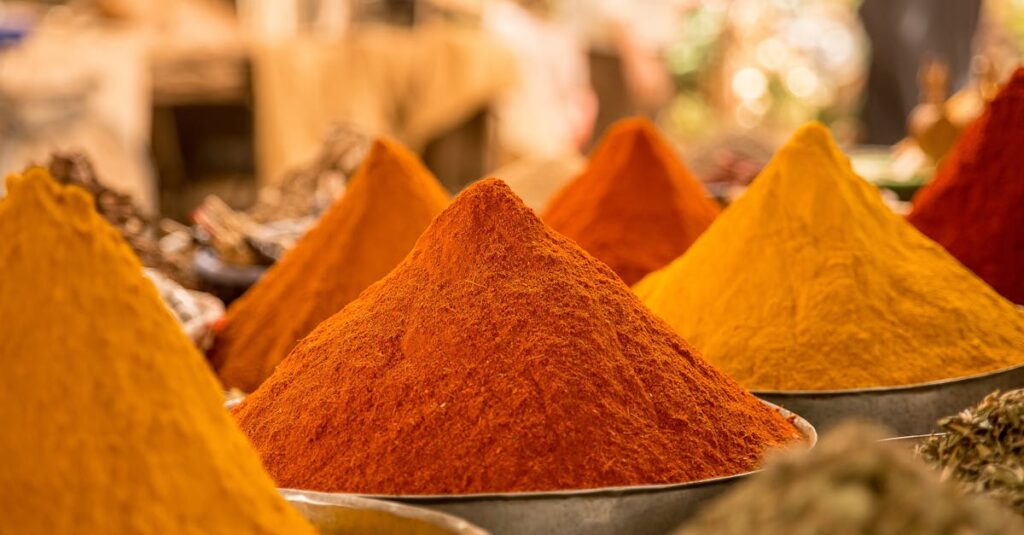
Spices are everywhere.
Not just as ingredients, but as a way of building flavor and identity.
Turmeric, cumin, coriander, chili — each one adds something specific, but it’s the combination that matters.
No single spice dominates.
They work together.
And the result isn’t just taste.
It’s depth.
Something layered, something that develops as you eat.
Meals built around balance
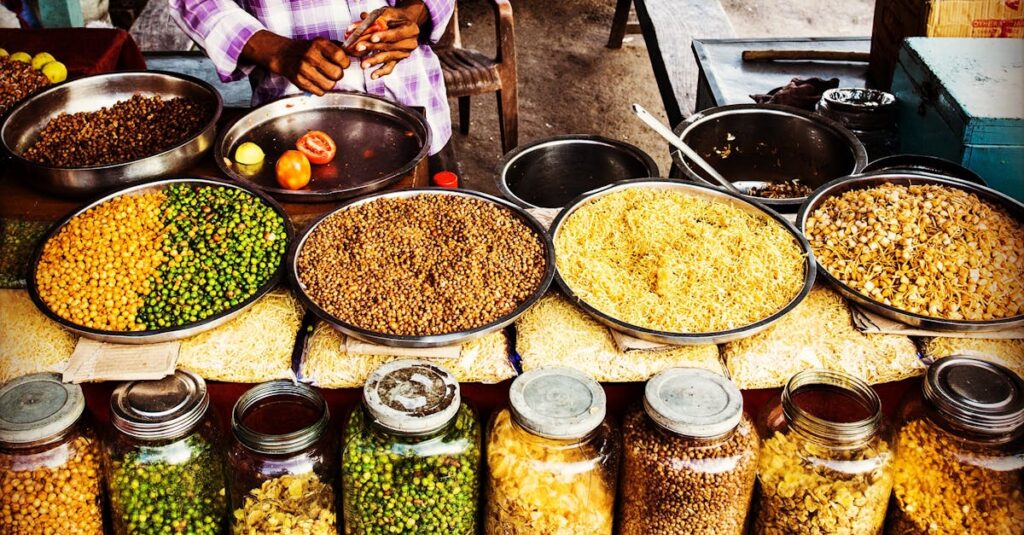
A typical meal isn’t centered on one dish.
It’s built around balance.
Rice, bread, vegetables, lentils, sauces — each part contributes something different.
You move between them.
Mix them. Combine them. Adjust each bite.
The meal isn’t fixed.
It’s created as you eat.
Eating as a shared experience
Food is rarely isolated.
Meals are shared.
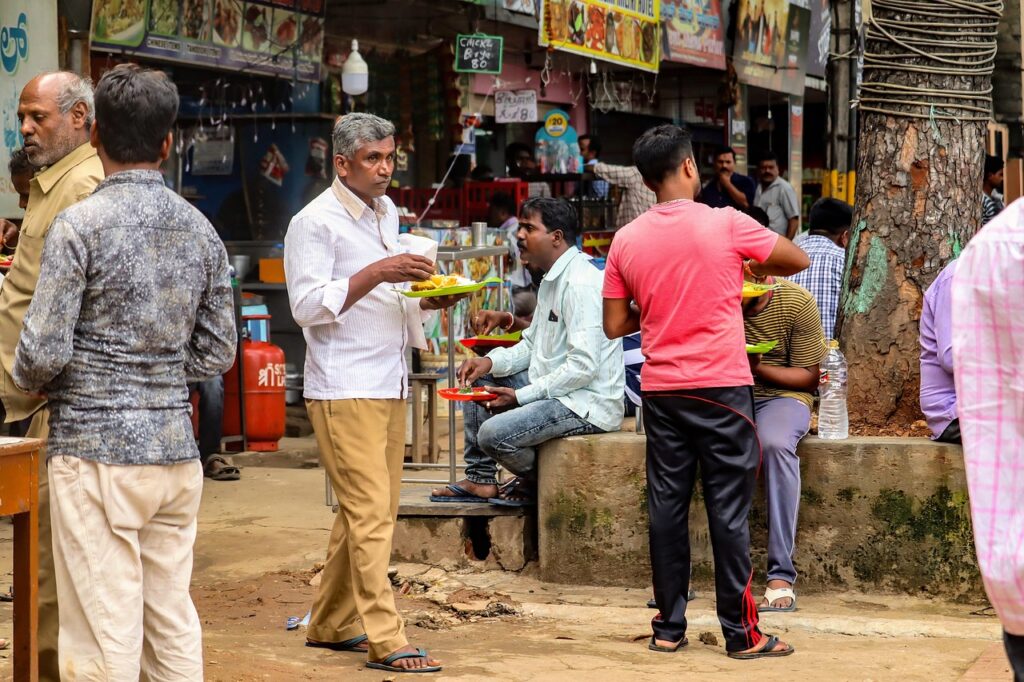
Whether at home or in public spaces, there’s a sense that eating is something done together.
Plates may be individual, but the experience isn’t.
And in many cases, eating with your hands becomes part of that connection.
It’s direct.
Physical.
A way of engaging with the food that feels immediate.
Regional differences that define identity
There isn’t one Indian cuisine.
There are many.
Food changes from region to region — sometimes dramatically.
In the south, rice-based dishes dominate.
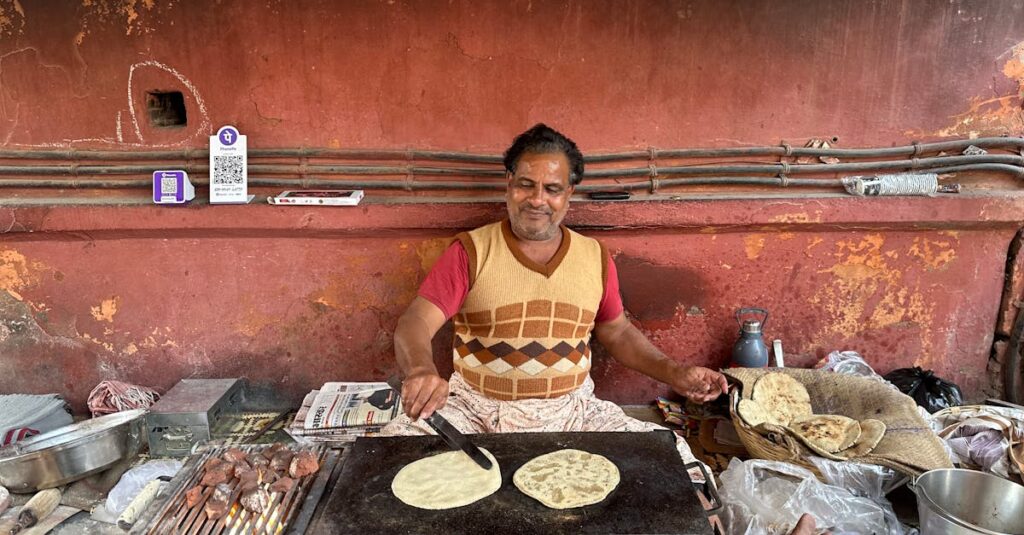
In the north, breads and richer sauces appear more often.
Ingredients, techniques, flavors — all shift depending on where you are.
And those differences matter.
They reflect identity at a local level.
Food connected to routine
Food is part of daily rhythm.
Morning chai. Midday meals. Evening gatherings.
These moments repeat.
Not as something planned, but as something expected.
Food structures the day.
It creates pauses.
And those pauses become part of how time is experienced.
Street food as expression
Street food adds another layer.
Fast, vibrant, intense.
Flavors that stand out immediately.
You eat quickly, often standing, surrounded by movement.
And even in that speed, there’s identity.
Each dish reflects a place, a method, a tradition.
Not about refinement
Food doesn’t try to be refined.
It doesn’t need to be.
Presentation isn’t the focus.
Experience is.
Meals are placed, shared, eaten.
And that’s enough.
Because what matters isn’t how it looks.
It’s how it connects to everything else.
Food as memory and meaning
At some point, food becomes more than just something you’re experiencing in the moment.
It carries memory.
Tradition.
A sense of continuity.
Dishes are repeated, passed down, adapted but still recognizable.
And through that, food becomes a way of holding onto something.
What we took with us
In India, food isn’t separate from identity.
It’s part of it.
Shaped by region.
Built through tradition.
Experienced through daily life.
It doesn’t simplify into one style or one meaning.
It remains layered.
And maybe that’s what stays with you.
Not a single dish.
But the understanding that food can carry culture in a way that words sometimes can’t.
Read More Stories
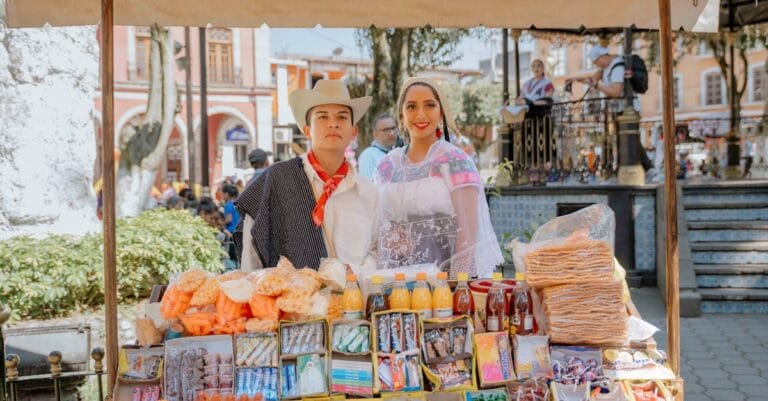
Mexico City Street Food and Daily Life: Eating Where the City Happens
Stalls appear on corners, along sidewalks, next to markets, outside metro stations. Some...
Read MoreParis Beyond the Cafés: What Dining Really Feels Like in the City
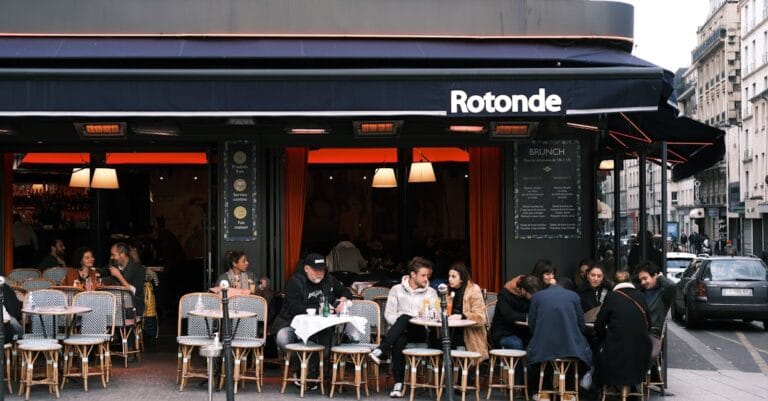
Exploring café culture, long lunches, and what dining actually means in daily Parisian...
Read More