It’s built on history, shaped by change, and defined by the way those...
Read MoreWhat you expect to see

Before arriving in Buenos Aires, tango already feels familiar.
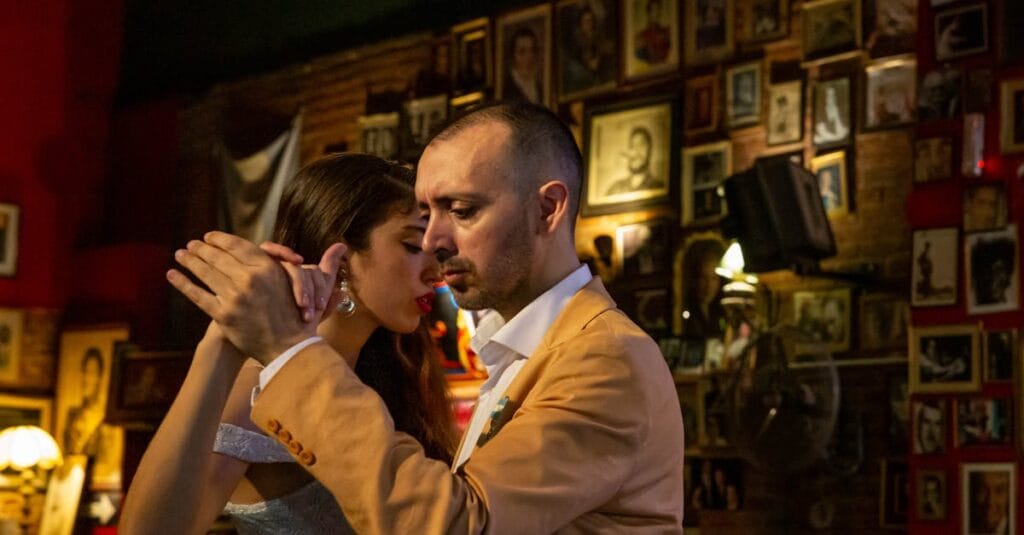
You’ve seen it — on stages, in videos, in carefully framed performances where everything is precise, dramatic, and controlled.
Sharp movements. Strong expressions. Music that feels intense, almost theatrical.
It looks like something meant to be watched.
Something performed.
And at first, that’s what you find.
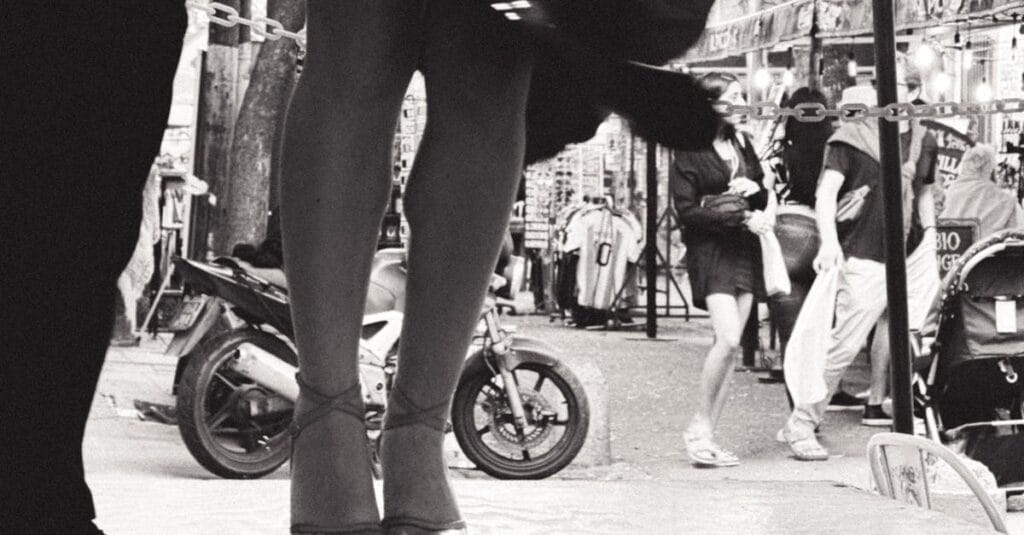
Dancers in public spaces. Shows designed for visitors. Moments that match the image you had before you arrived.
But if you stay a little longer, you begin to notice something else.
Moving away from the stage
Tango isn’t limited to performance.
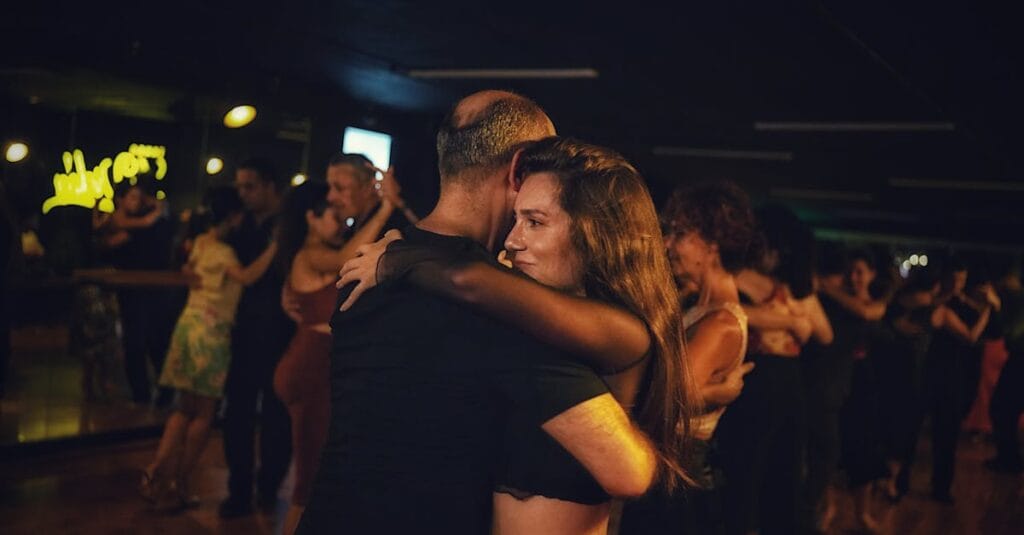
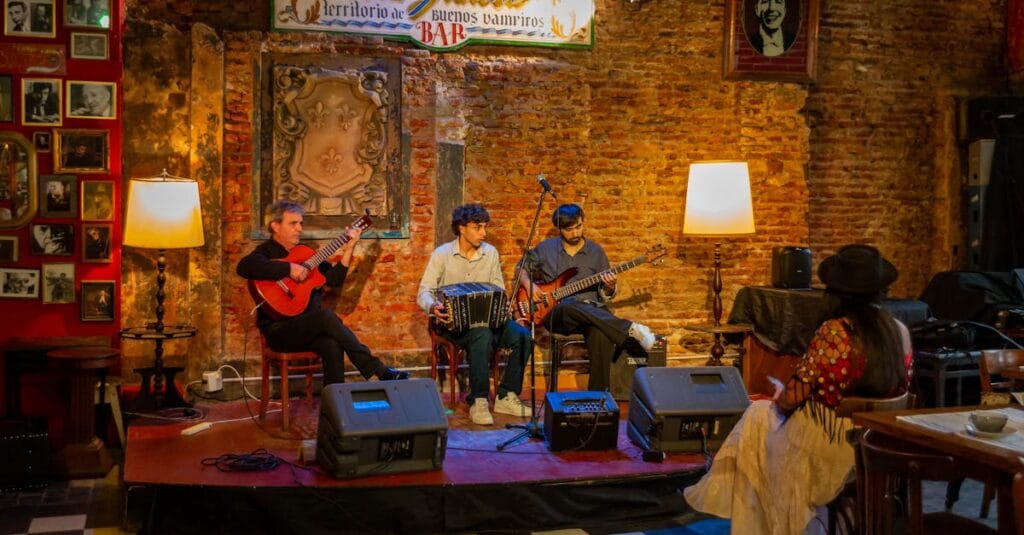
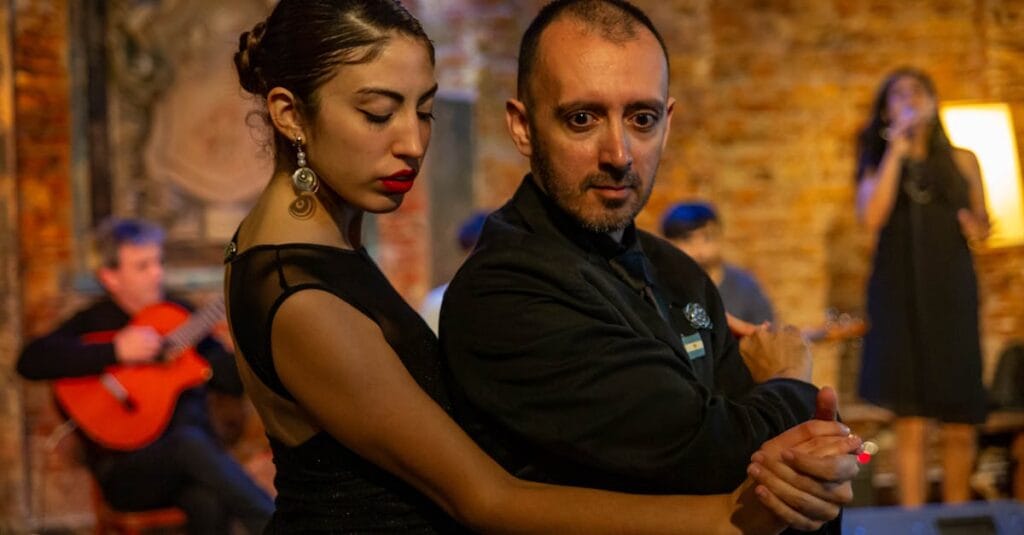
It exists in quieter spaces — in milongas, where people gather to dance not for an audience, but for each other.
The atmosphere is different.
Less dramatic. Less structured.
More personal.
Couples move across the floor in close embrace, not trying to impress, not trying to stand out.
They’re not performing.
They’re participating.
And that changes everything.
A dance built on connection
At its core, tango isn’t about movement alone.
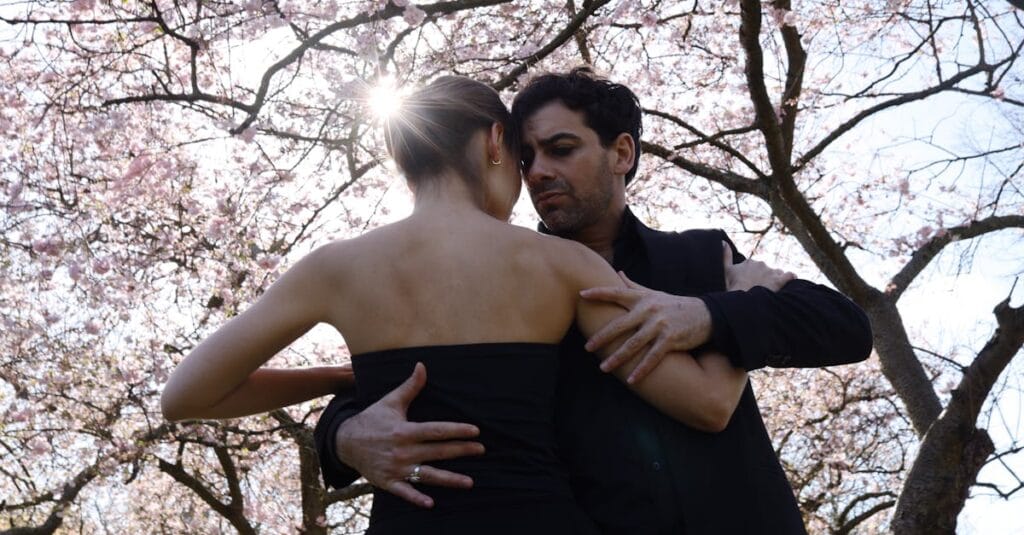
It’s about connection.
The steps matter, but they aren’t the focus.
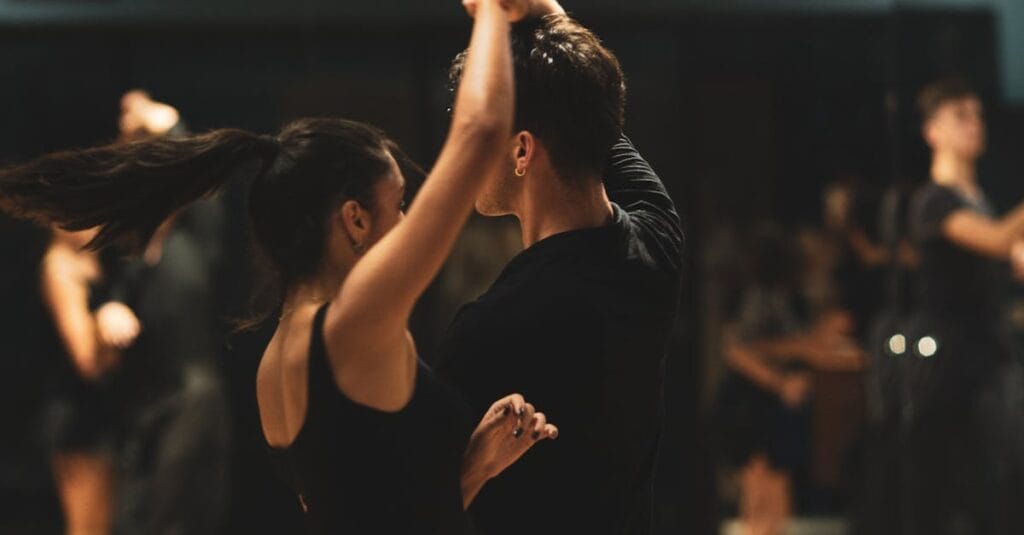
What matters is how two people move together.
How they respond to each other.
How they adjust.
How they find a rhythm that belongs to both of them.
There’s no need for large gestures.
The most meaningful movements are often the smallest ones.
Almost invisible if you’re not paying attention.
A history that still lingers
Tango didn’t begin as something refined.
It emerged from the margins.
From neighborhoods shaped by migration, by uncertainty, by people trying to build something new while holding onto what they had left behind.
It carried influences from different cultures — European, African, local — all blending into something that didn’t fully belong to one place.
And that complexity is still there.
Even now, when tango is recognized and celebrated, there’s a sense that it comes from somewhere deeper.
Something shaped by history, not separated from it.
The people who keep it alive
What stands out most isn’t the dance itself.
It’s the people around it.
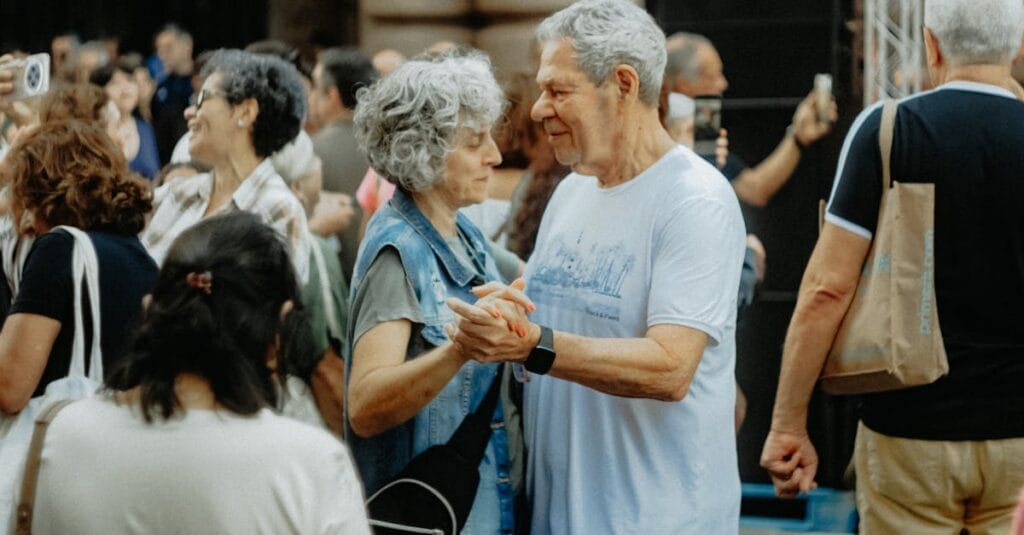
Different ages. Different backgrounds. Some experienced, others just beginning.
But all sharing the same space.
There’s no clear division between performer and observer.
People come, dance, sit, talk, watch, then return to the floor.
Tango becomes part of their routine.
Not something reserved for special occasions.
Just something they do.
Music as part of the atmosphere
The music shapes everything.
The bandoneón — with its distinct, almost melancholic sound — carries a certain weight.
Not sadness exactly.
But something reflective.
Something that makes you slow down, listen, and feel the rhythm differently.
The music isn’t just a background.
It’s part of the interaction.
It guides movement, but also emotion.
Not everything is perfect
In these spaces, not everything is perfect.
Steps aren’t always precise. Movements aren’t always smooth.
But that doesn’t matter.
Because perfection isn’t the goal.
The experience is.
And that makes it feel more real.
Watching becomes understanding
At some point, you stop watching tango as a performance.
You start watching it as an interaction.
You notice how people choose their partners. How they enter the dance floor. How they leave.
The small rituals.
The unspoken rules.
And slowly, it begins to make more sense.
Not as something to analyze.
But as something to feel.
A quiet kind of intensity
Tango is often described as intense.
And it is — but not always in the way you expect.
Not through large gestures or dramatic movements.
But through presence.
Through attention.
Through the way two people share a moment that exists only while the music is playing.
And then disappears.
What we took with us
We came to Buenos Aires expecting to see tango.
We left understanding that it’s not something you just watch.
It’s something people live with.
Something that carries history, but also continues to evolve through everyday practice.
It’s not about perfection.
Not about performance.
Just about connection.
And maybe that’s what makes it meaningful.
Not what it looks like from the outside.
But what it feels like from within.
Read More Stories
Wine, Bread, and Conversations: Sitting Down in Tbilisi
A table is set. Bread appears first, almost automatically. Wine is poured without...
Read MoreInside the Medina: Navigating Morocco’s Living Labyrinth

Streets curve, split, reconnect. Corners appear unexpectedly. Pathways narrow to the point where...
Read More