Whether it’s a short exchange at a café or a longer conversation that...
Read MoreInside the Medina: Navigating Morocco’s Living Labyrinth

- Morocco
- Architecture
- Culture
- February 25, 2026
Entering without a clear direction
The medina doesn’t introduce itself.
There’s no clear entrance, no moment that signals you’ve stepped into something different.
One street leads into another. A wider path narrows. The structure of the city changes without warning.
And suddenly, you’re inside.
Directions stop making sense.
Maps become less useful.
You don’t move through the medina with a plan.
You move through it by adapting.
Streets that weren’t meant to be straight
Nothing feels linear.
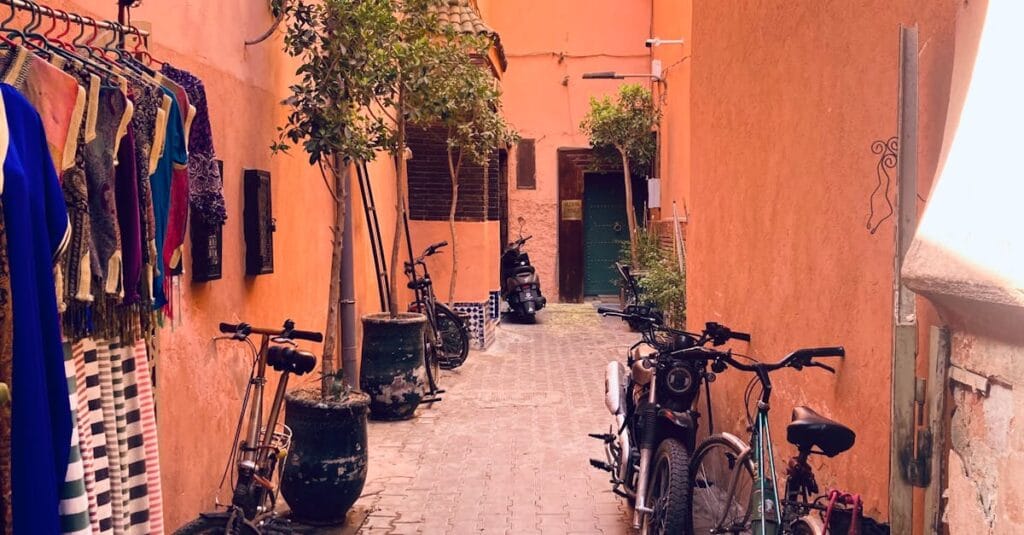
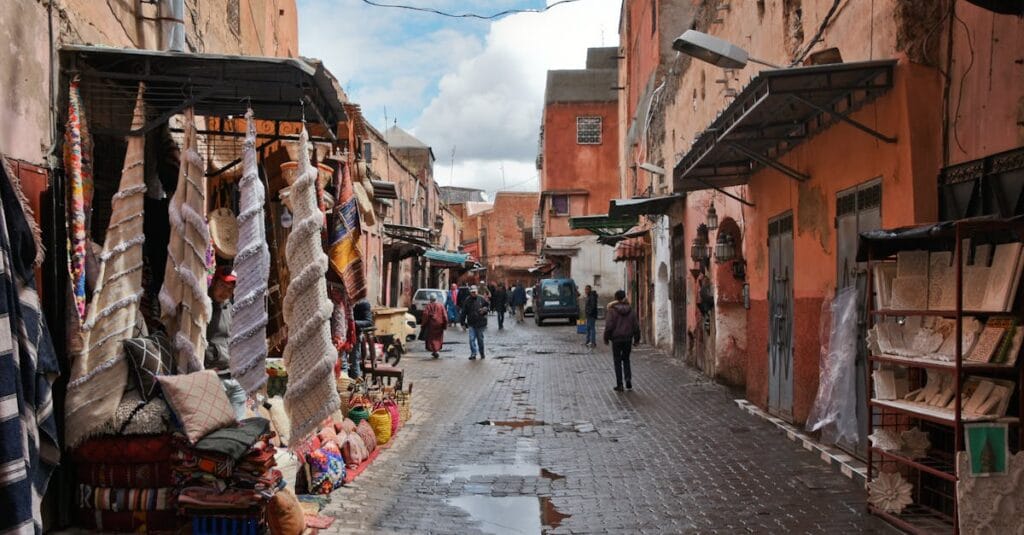
Streets curve, split, reconnect. Corners appear unexpectedly. Pathways narrow to the point where two people passing each other becomes an interaction.
The layout doesn’t guide you efficiently.
It slows you down.
Forces you to pay attention.
And over time, you stop trying to understand it as a system.
You just follow it.
Architecture built for living, not showing
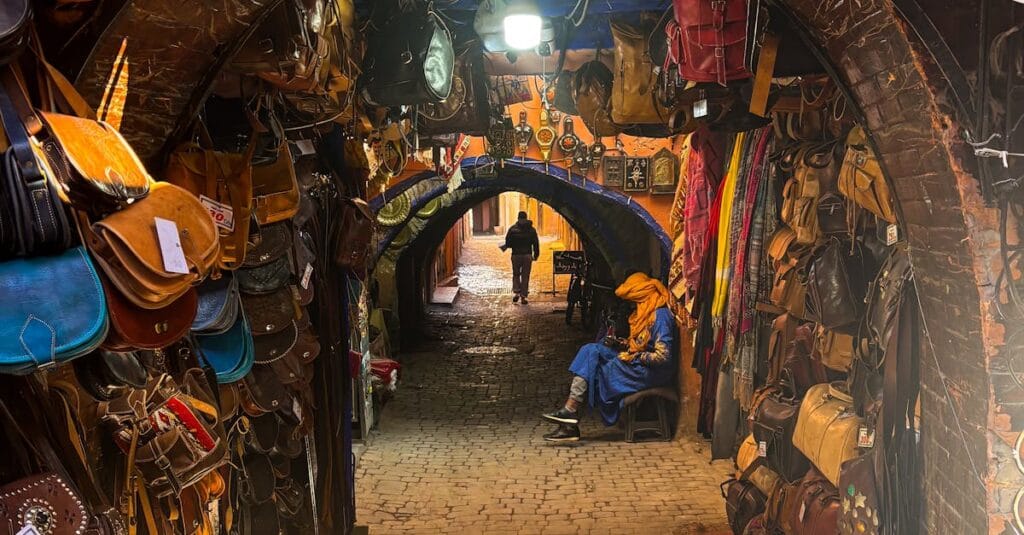
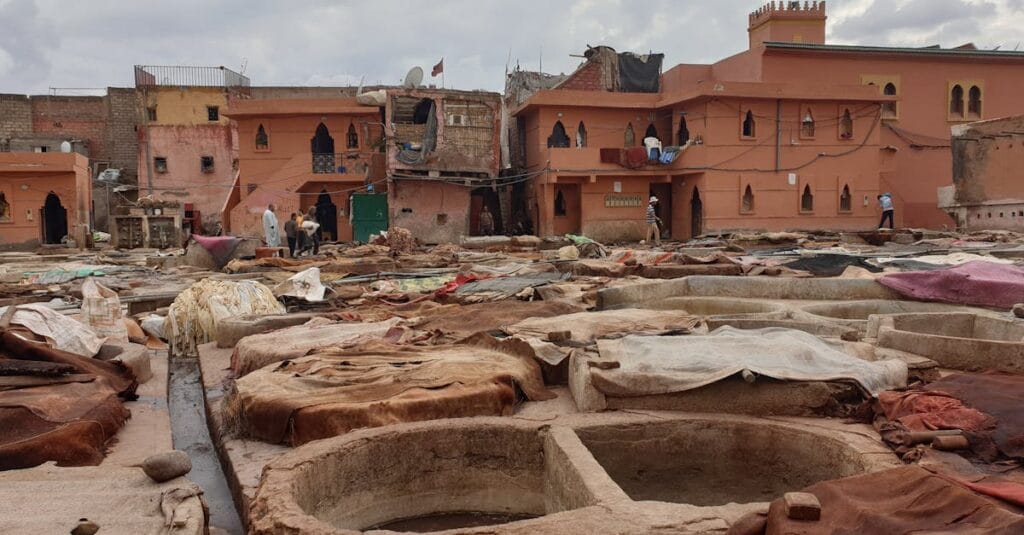
From the outside, many buildings feel closed.
Plain walls. Small openings. Minimal decoration.
But inside, everything changes.
Courtyards open up. Tiles, patterns, and textures appear. Light enters differently.
The architecture isn’t designed to present itself outwardly.
It’s designed inward.
Private spaces hold the detail.
And that creates a contrast between what you see from the street and what exists within.
Markets woven into the streets
Markets aren’t separate from the medina.
They’re part of it.
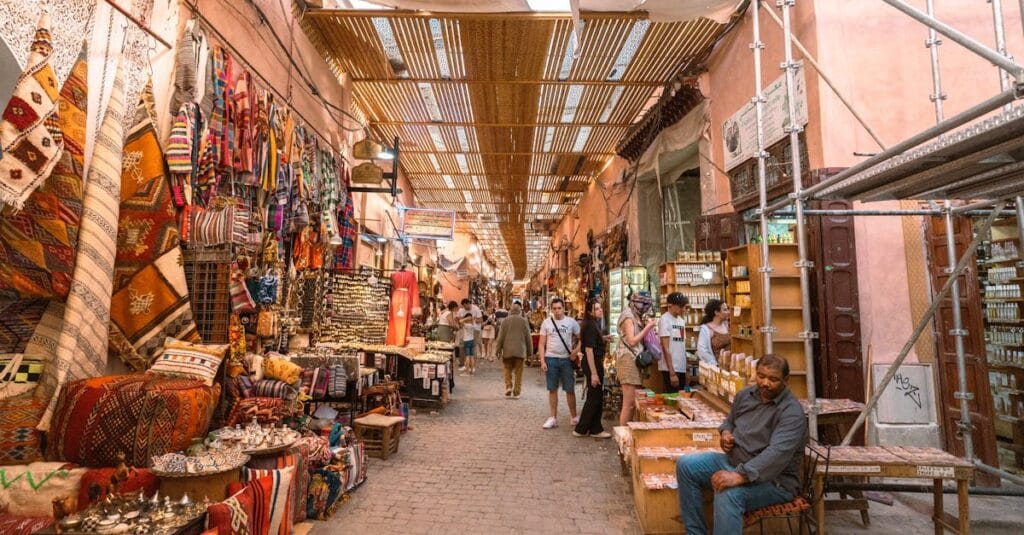
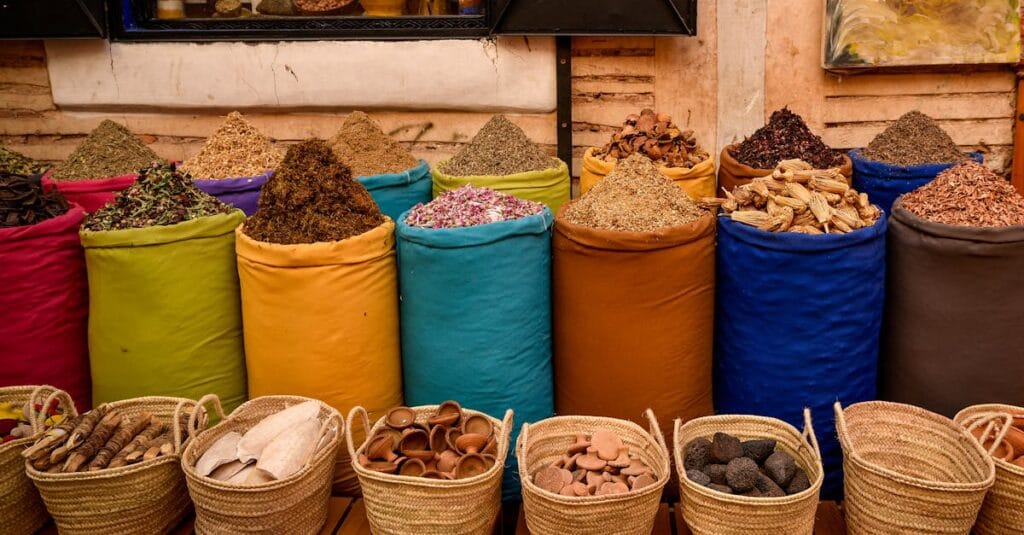
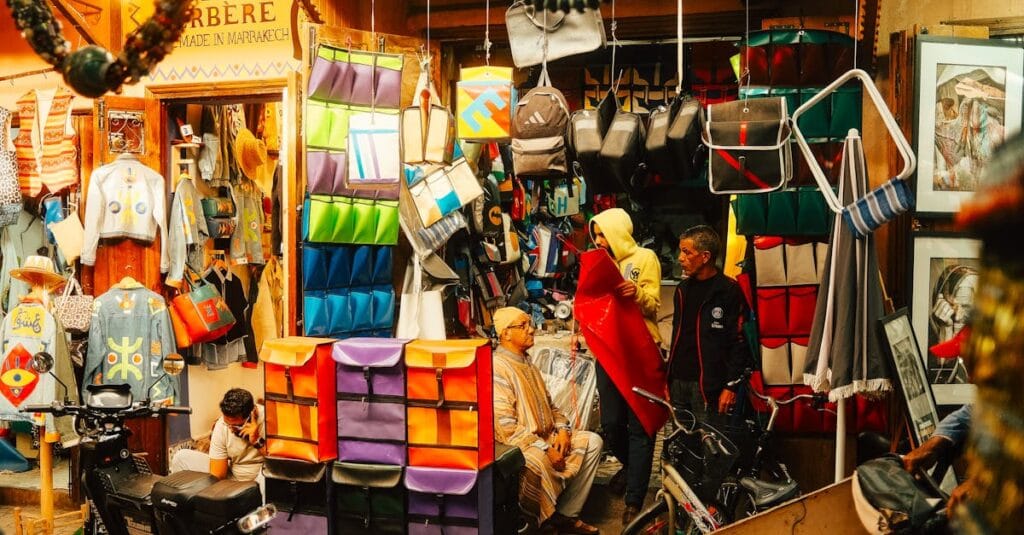
Stalls appear along the same paths you’re walking through. Goods spill into the street. Colors and textures fill the space — spices, fabrics, metalwork, objects you don’t immediately recognize.
You don’t enter a market.
You’re already in it.
And movement becomes shared between walking, browsing, and observing.
A rhythm shaped by interaction
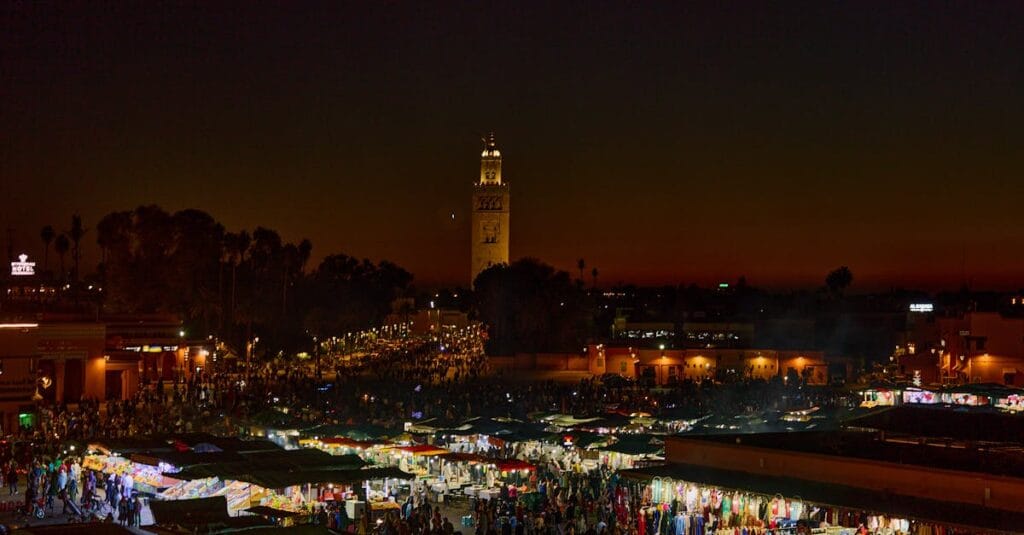
The medina isn’t quiet.
But it’s not chaotic in an overwhelming way either.
It has a rhythm.
People move, stop, talk, negotiate, continue.
Interactions happen constantly — short exchanges, longer conversations, moments that begin and end quickly.
Nothing feels isolated.
Everything is connected through movement and interaction.
Senses constantly engaged
The medina isn’t experienced visually alone.
It’s sensory.
Smells shift as you move — spices, food, materials. Sounds change — voices, footsteps, distant activity.
Light moves differently through narrow streets, creating contrast between shadow and brightness.
You’re not just seeing the space.
You’re inside it.
Everyday life within tradition
For those who live here, the medina isn’t complex.
It’s familiar.
These streets are part of daily routines. The layout that feels confusing to you makes sense to them.
Shops open. People move through known paths. Life continues without needing to be explained.
Tradition isn’t separate from daily life.
It’s part of it.
Not everything is designed to be understood
At some point, you stop trying to understand where you are.
You accept that you might not know exactly how to get back.
And that changes the experience.
You become less focused on direction and more focused on presence.
What’s in front of you.
What’s happening around you.
Finding stillness within movement
Even within the movement, there are moments of stillness.
A quieter street. A corner where the noise fades. A space where light softens and everything slows down.
These moments don’t last long.
But they stand out.
Because they contrast with everything else.
What we took with us
The medina isn’t something you fully understand.
It’s something you experience.
Through movement.
Through interaction.
Through moments that don’t follow a clear structure.
It’s not designed to be simple.
It’s designed to be lived in.
And maybe that’s what makes it meaningful.
Not how it looks from the outside.
But how it feels when you’re inside it.
Read More Stories
What Roman Food Is Really About: Beyond Pizza and Pasta
Pasta. Pizza. Maybe a few familiar names — carbonara, cacio e pepe, amatriciana....
Read MoreEating in Barcelona: Markets, Meals, and Conversations
Just a general idea: to move through the city slowly, stopping where it...
Read More