Lisbon and Its Slow Rhythm: A City That Moves Differently

Arriving without urgency

Lisbon doesn’t feel fast.

Even before you understand the city, you feel it.

The hills slow you down. The streets don’t invite rushing. Movement feels more deliberate, not because it has to be, but because it naturally becomes that way.

There’s no clear moment where this shift happens.

You just notice, at some point, that you’re walking differently.

A little slower.
A little more aware.
A little less focused on getting somewhere.

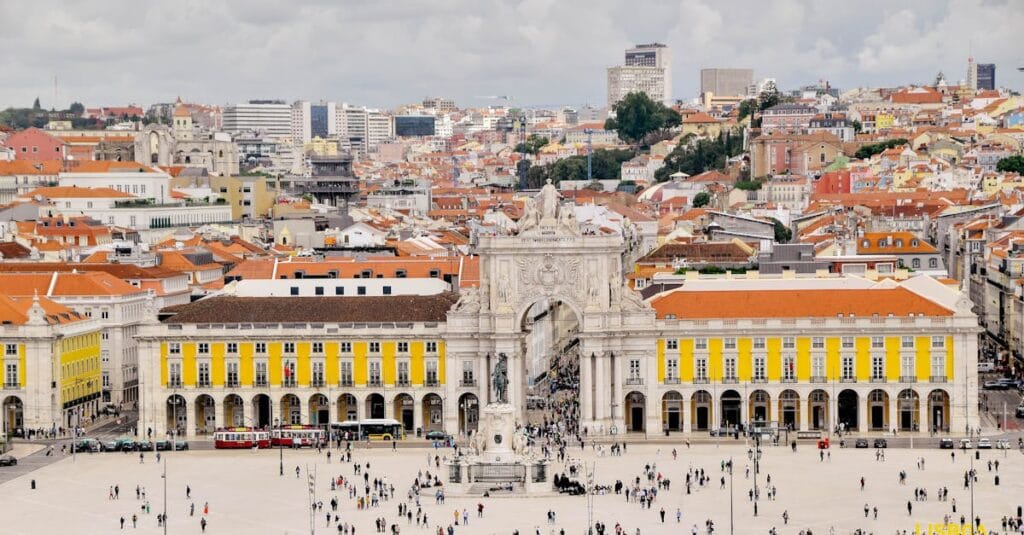
Aerial view of Praça do Comércio in Lisbon, showcasing the iconic arch and bustling square.

A city shaped by its landscape

Lisbon is built on movement — but not the kind that feels efficient.

Streets rise and fall constantly. Stairs appear where you don’t expect them. Corners open into views that make you stop, even if you didn’t plan to.

You don’t walk in straight lines here.

You move in curves, in pauses, in adjustments.

And that shapes everything.

Even the way people interact with the city feels connected to this rhythm — not rushed, not forced, just adapted.

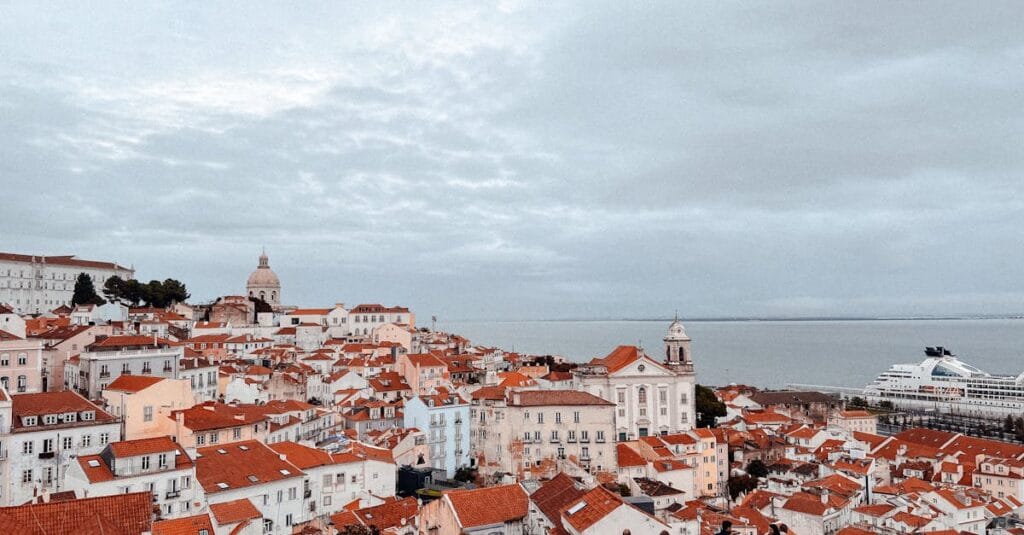
Discover Lisbon's charm with this elevated view of historic rooftops and the sea, capturing Portugal's essence.

Viewpoints as places to stay

Lisbon is full of viewpoints.

Places where the city opens up and stretches out in front of you — rooftops, river, light reflecting off everything at once.

But what stands out isn’t the view itself.

It’s what people do with it.

They don’t just take a photo and leave.

They stay.

Sitting on benches. Talking quietly. Watching the light change without feeling the need to move on.

The viewpoint becomes less about seeing the city and more about being present in it.

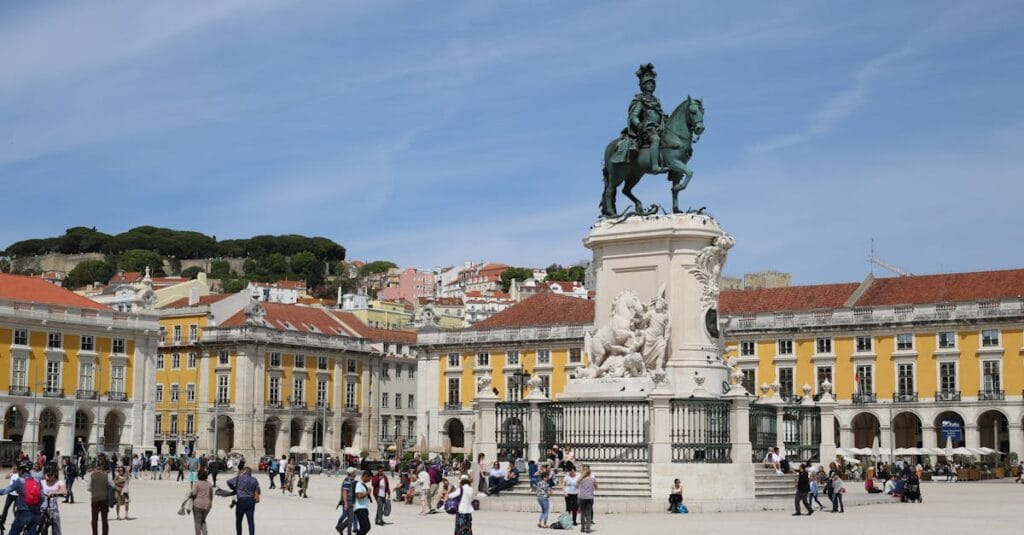
People enjoying a sunny day at the historic Praça do Comércio in Lisbon, Portugal.

Conversations that don’t feel rushed

Conversations in Lisbon seem to follow the same rhythm as the city.

They don’t feel hurried.

There’s space between words. Pauses that don’t feel uncomfortable. Moments where nothing is said, but the interaction continues.

Whether it’s a short exchange at a café or a longer conversation that unfolds slowly, there’s a sense that time isn’t something being managed.

It’s something being experienced.

And that changes how people connect.

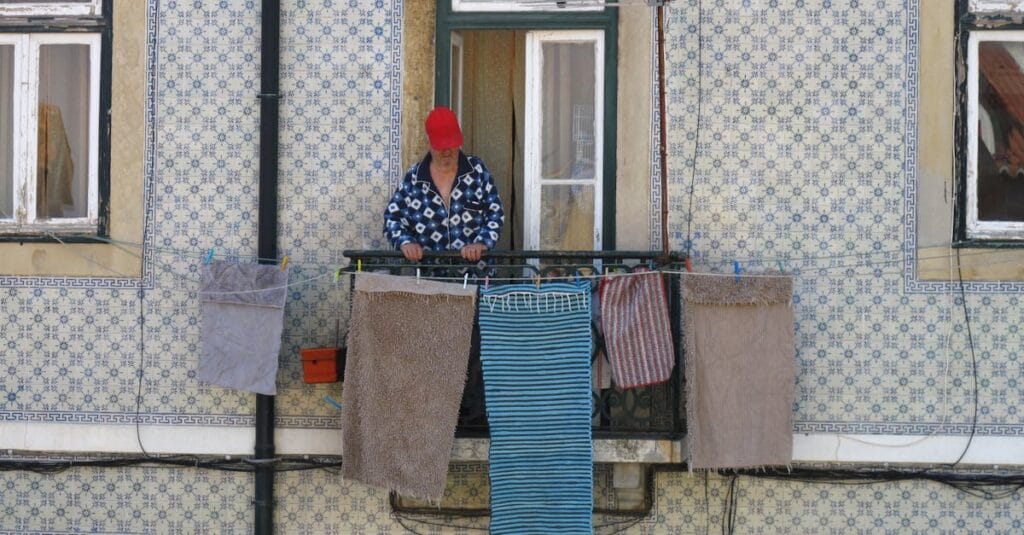
A woman stands on a Lisbon balcony with traditional Portuguese tiles, hanging laundry on a sunny day.

Everyday life in small details

Some of the most defining moments in Lisbon aren’t big.

They’re small, almost easy to miss.

Laundry hanging between buildings.
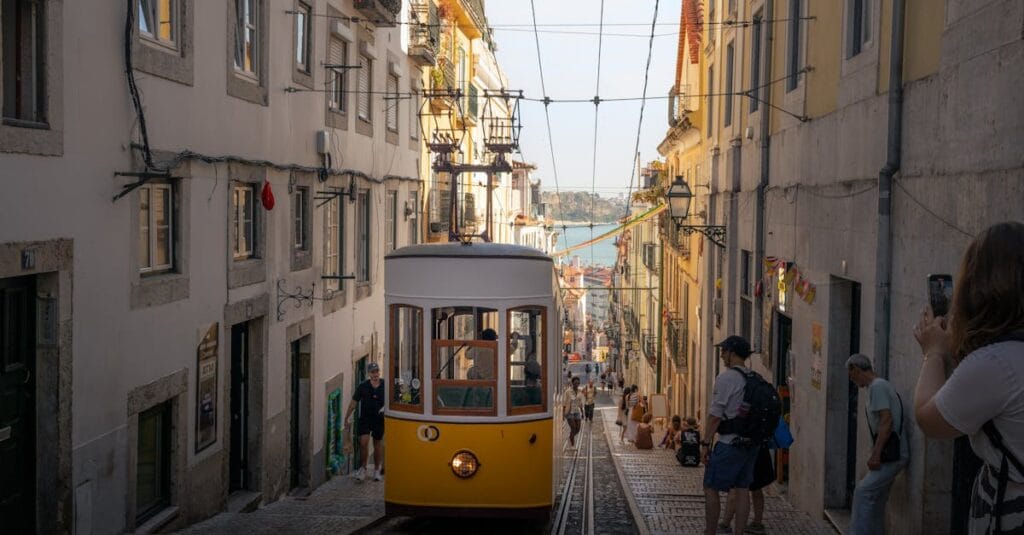
A tram passing slowly through a narrow street.
Tiles covering walls, reflecting light in different ways throughout the day.

Nothing stands out on its own.

But together, these details create a feeling.

Something consistent, something quiet, something that makes the city feel lived in rather than presented.

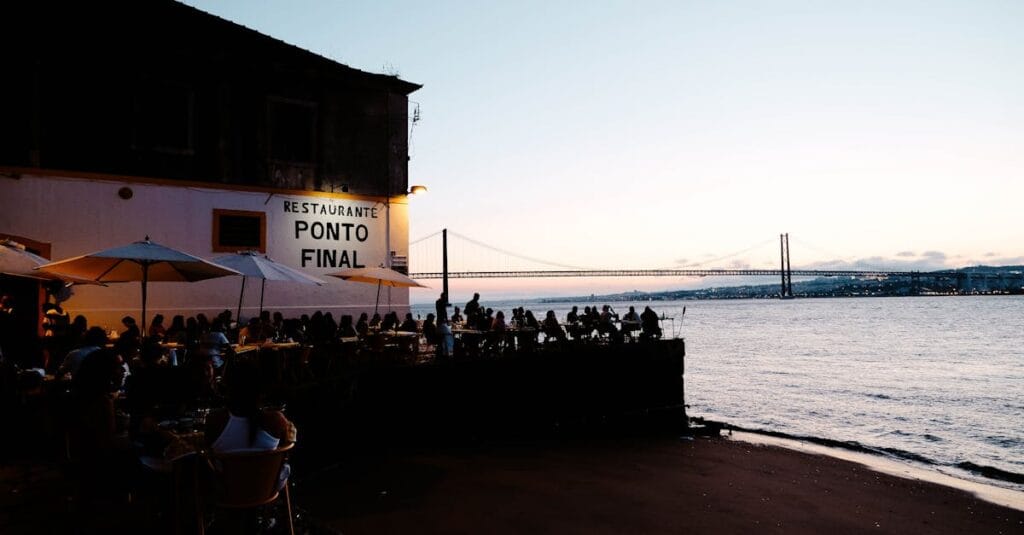
Scenic view of people dining outdoors at Restaurante Ponto Final with Lisbon's sunset and bridge in the background.

Time stretches in the afternoon

Afternoons in Lisbon feel longer.

Not because the day is different, but because the pace is.

People sit longer. Walk slower. Stay in places without feeling the need to move on quickly.

There’s a kind of openness to time.

You don’t feel like you’re falling behind.

You just feel like you’re there.

A classic yellow tram navigates a steep street in Lisbon, Portugal, capturing the city's historic charm.

The balance between movement and stillness

Lisbon isn’t static.

People move. Trams pass. Life continues.

But it doesn’t feel overwhelming.

There’s a balance between movement and stillness that’s hard to define, but easy to notice once you spend time in the city.

Nothing feels forced.

Nothing feels overly structured.

Everything seems to happen at its own pace.

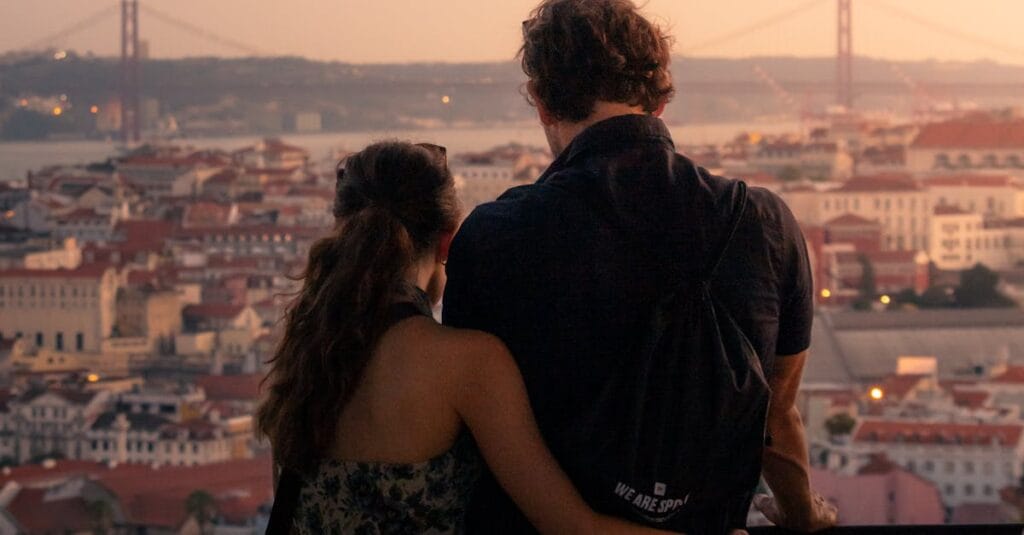
Couple enjoying a romantic sunset view overlooking Lisbon with the iconic 25 de Abril Bridge in the background.

Not everything needs to be filled

In many places, there’s a tendency to fill every moment.

To move from one activity to another. To make sure time is used, planned, structured.

Lisbon feels different.

There’s space for moments that don’t need to be filled.

Sitting without doing anything.
Walking without a destination.
Watching without needing a reason.

And those moments don’t feel empty.

They feel complete.

A rhythm that stays with you

By the end of it, Lisbon doesn’t feel like a place you’ve explored.

It feels like a place you’ve experienced.

Not through specific sights or moments, but through a general sense of how it moves.

A rhythm that’s subtle, but consistent.

And once you notice it, it’s hard to ignore.

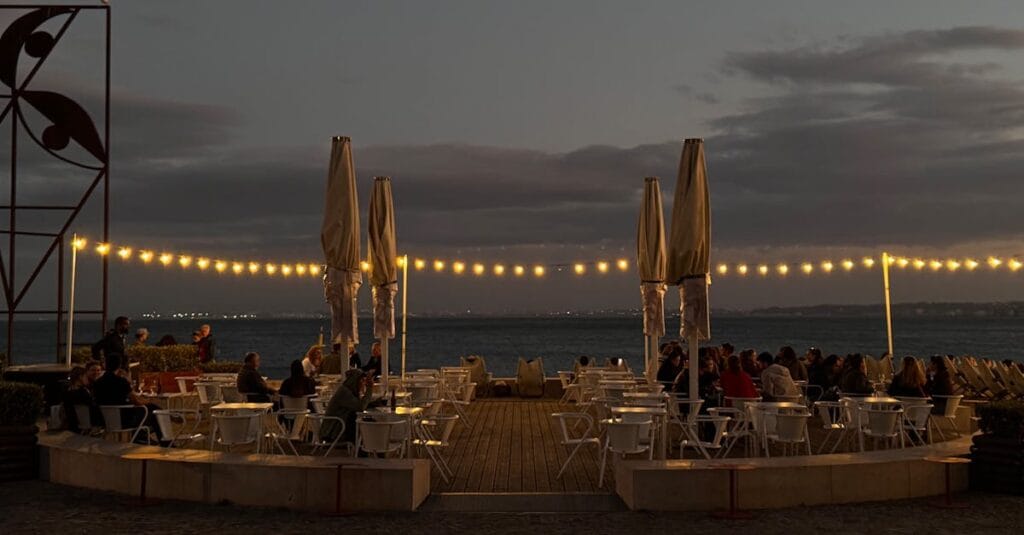
Cozy outdoor dining area by the water at twilight, adorned with glowing string lights.

What we took with us

Lisbon didn’t stand out because of something dramatic.

It stood out because of how it felt to be there.

Slower.
Quieter.
More present.

Not in a way that forces you to change, but in a way that invites you to.

And maybe that’s what makes it different.

Not what it shows you.

But how it lets you experience it.

Read More Stories