
One of the most interesting things about Parisian streets is how they...
Read More
Cape Town and Its Contrasts: Different Lives, Shared Spaces
- South Africa
- People
- Culture
- January 19, 2026
A place that feels divided — and connected
Cape Town is easy to admire at first.
The mountain. The ocean. The light that changes constantly throughout the day.
It feels open. Expansive. Almost calm.
But that impression doesn’t last on its own.
Because the more time you spend in the city, the more you begin to notice something else.
A contrast that isn’t hidden.
A contrast that shapes everything.
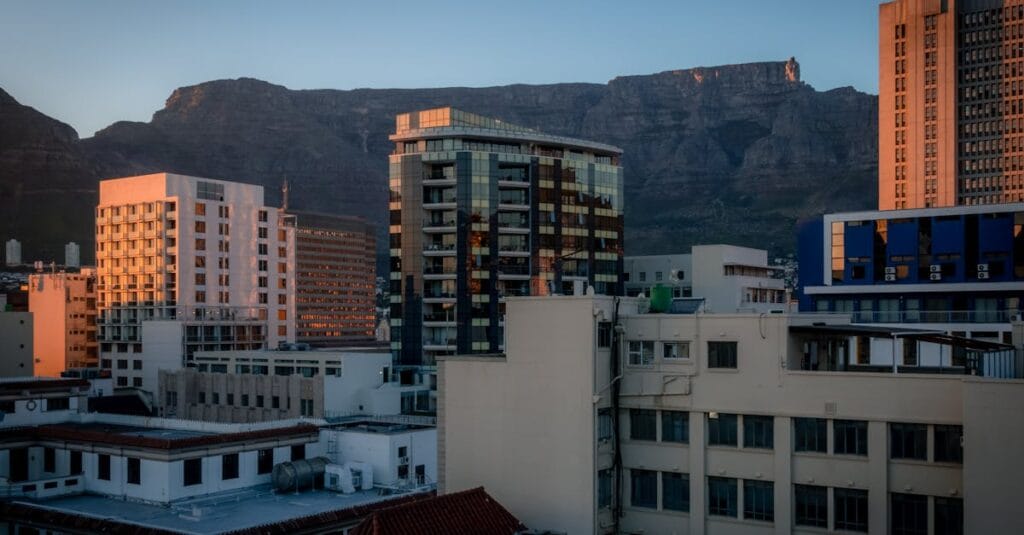
Different realities, side by side
In Cape Town, differences are visible.
Not abstract. Not distant.
Present.
Neighborhoods change quickly. Conditions shift. The way people live varies in ways that are difficult to ignore.
You don’t have to look for it.
You encounter it naturally, just by moving through the city.
And once you see it, it becomes part of how you understand the place.
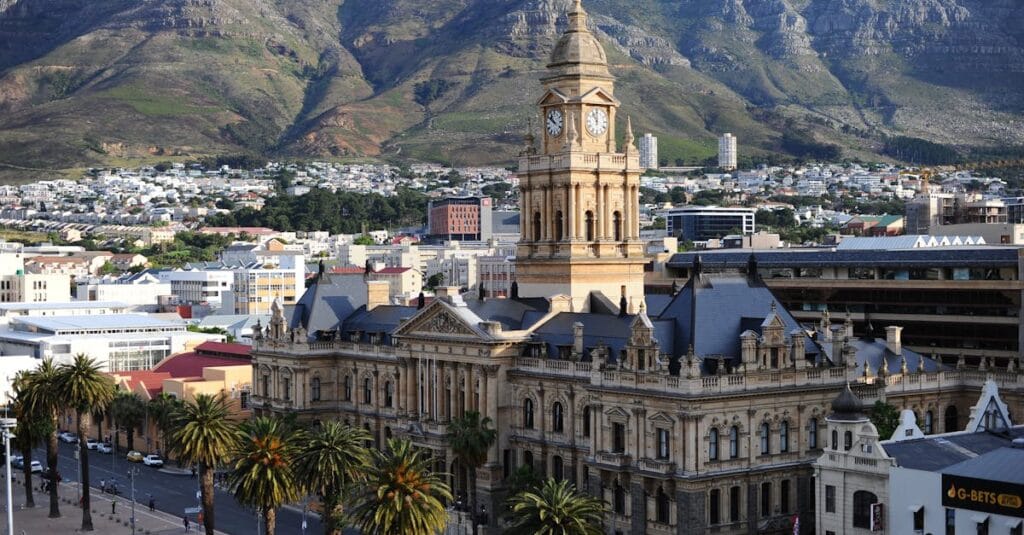
A history that still shapes the present
These contrasts didn’t appear randomly.
They come from history.
From systems that shaped where people lived, how they lived, and what opportunities were available to them.
That history isn’t just something you read about.
It’s something you see.
In the layout of the city.
In the separation between spaces.
In the differences that still exist today.

Daily life within those contrasts
And yet, daily life continues.
People go to work. Talk. Eat. Move through their routines.
There’s normalcy within everything.
Moments that don’t feel defined by contrast, but simply by everyday life.
A conversation. A shared space. A routine repeated.
These moments don’t erase differences.
But they exist alongside them.
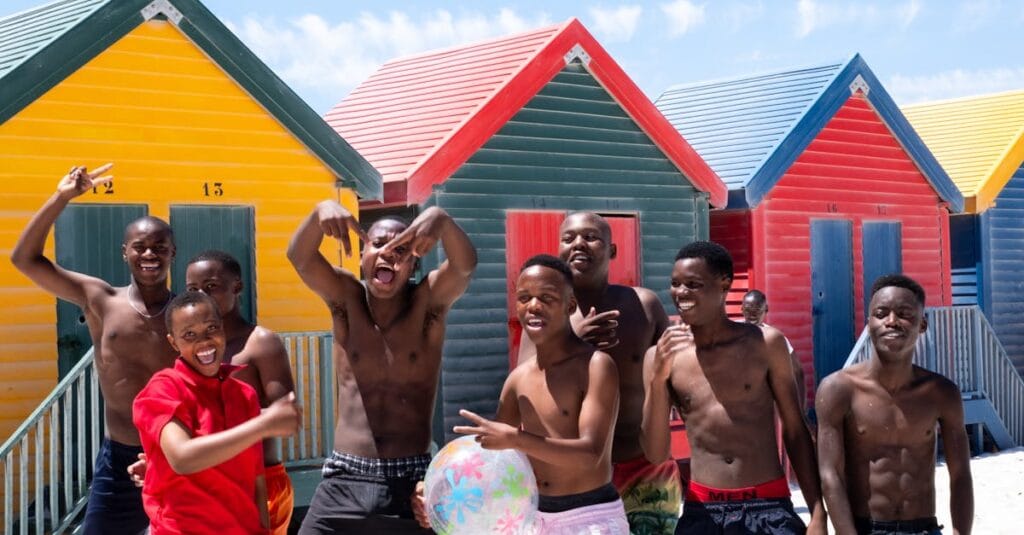
Conversations that shift perspective
Talking to people changes how the city feels.
You hear different perspectives.
Different experiences of the same place.
What one person sees as normal, another sees differently.
And those perspectives don’t always align.
But that’s part of understanding the city.
Not finding a single narrative.
But recognizing that multiple ones exist at the same time.
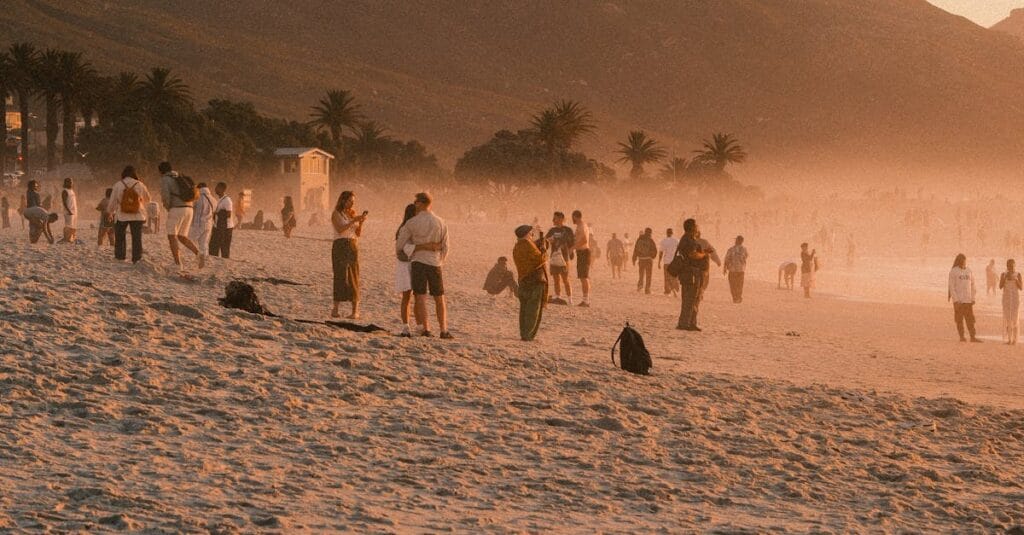
Spaces that are shared, but not equal
There are spaces where everything overlaps.
Beaches. Streets. Public areas where people from different backgrounds come together.
These spaces feel shared.
But they don’t erase differences.
They exist within them.
And that creates a dynamic that’s difficult to simplify.
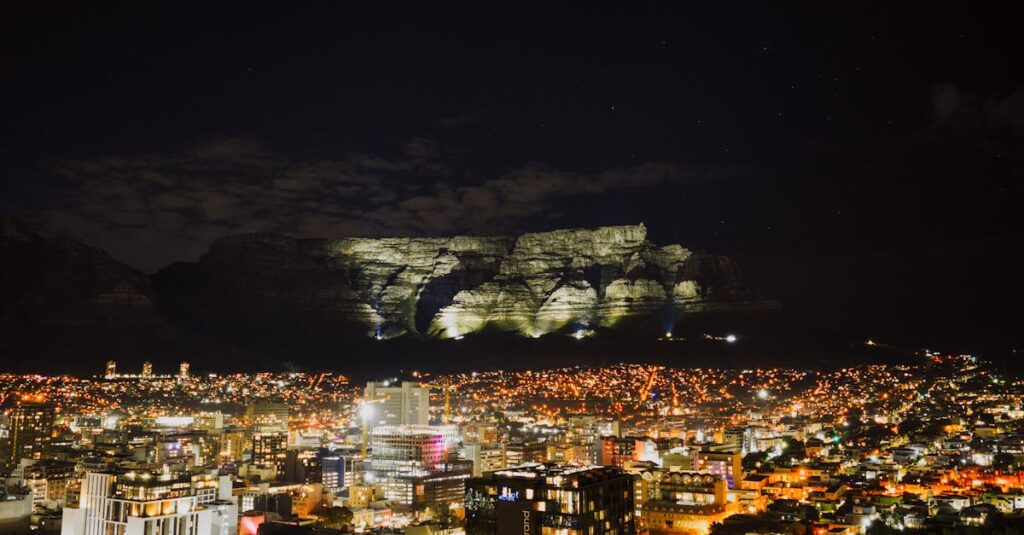
Beauty and complexity at the same time
Cape Town is beautiful.
That’s undeniable.
But the beauty exists alongside complexity.
You can see something striking — a view, a landscape, a moment — and still be aware of everything else.
And that awareness changes how you experience the place.
It adds depth.
But also questions.
Not everything resolves
Cape Town doesn’t resolve into a simple idea.
The contrasts remain.
They don’t disappear.
And maybe they’re not meant to.
Because they’re part of what defines the city.
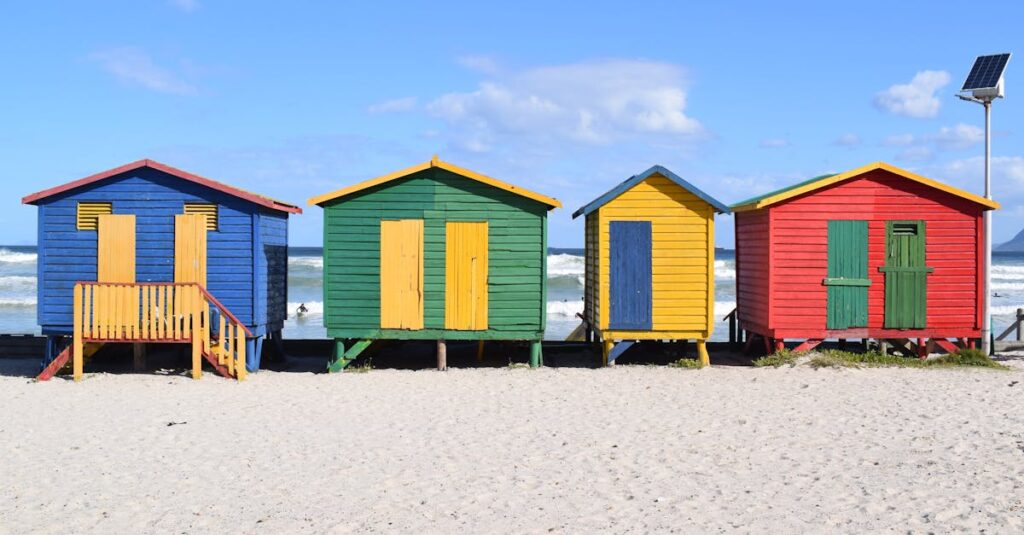
What we took with us
Cape Town isn’t a place you can describe with one perspective.
It’s shaped by differences.
By histories that are still present.
By realities that exist side by side.
By people who experience the same city in different ways.
It’s not simple.
But it’s real.
And maybe that’s what stays with you.
Not a single image or moment.
But the understanding that a place can hold multiple truths at once.
Read More Stories
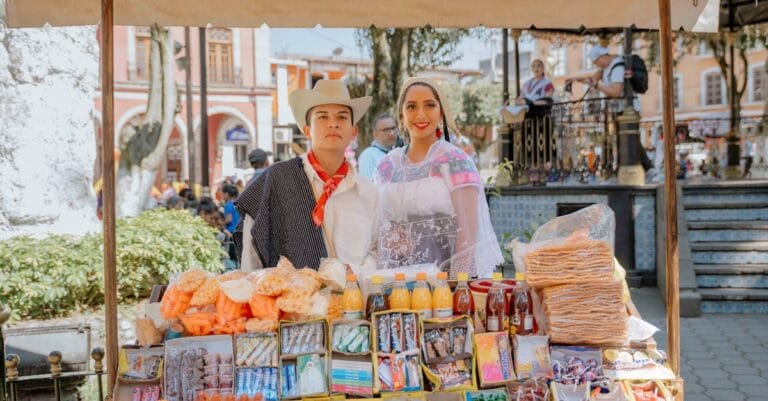
Mexico City Street Food and Daily Life: Eating Where the City Happens
Stalls appear on corners, along sidewalks, next to markets, outside metro stations....
Read More
Dubai Beyond the Skyline: Between Modern and Tradition
Glass towers. Clean lines. Buildings that feel designed to stand out rather...
Read More