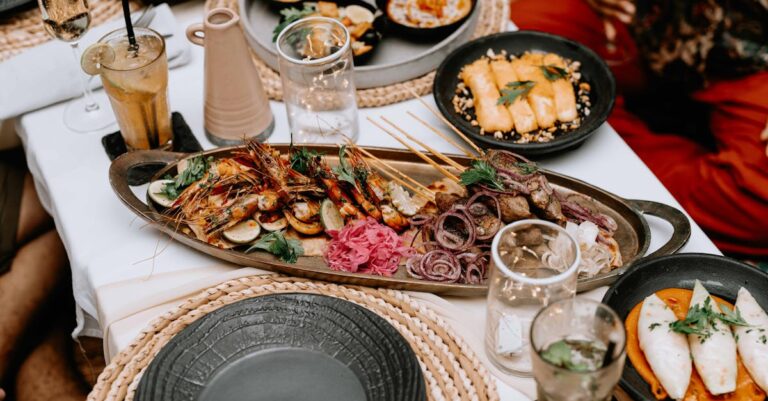
Food, Landscape, and Identity: Eating Across South Africa
Mountains, coastline, open land, vineyards each environment brings something different.

Mountains, coastline, open land, vineyards each environment brings something different.
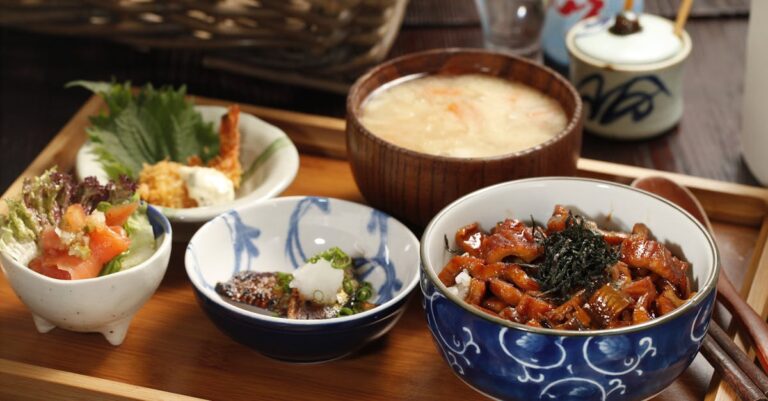
There’s attention in everything — from preparation to presentation, from how something is served to how it’s received.
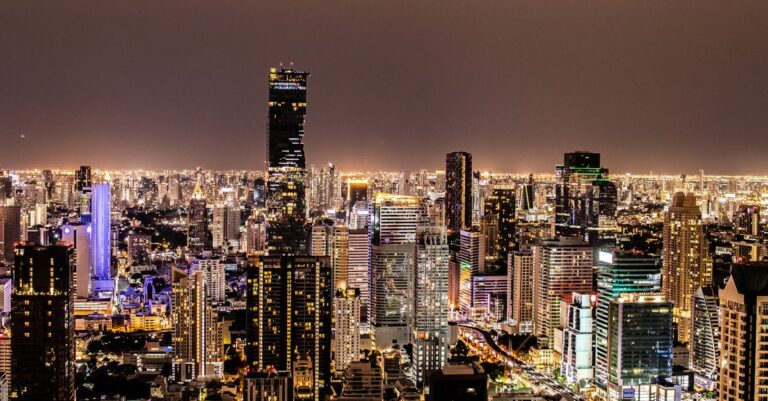
Traffic fills the streets — cars, tuk-tuks, motorbikes weaving through spaces that don’t seem designed to hold them all.
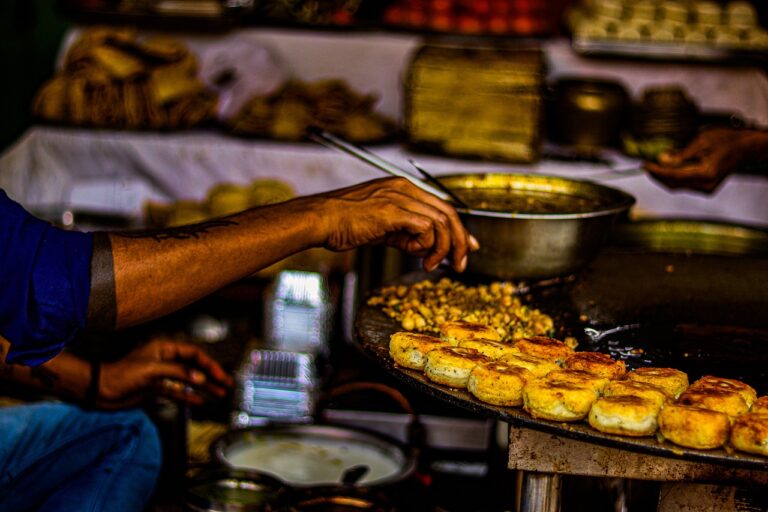
A meal reflects where you are, who prepared it, and the traditions that shape it. Even a simple plate can hold multiple elements — different flavors, textures, and combinations that exist together rather than separately.
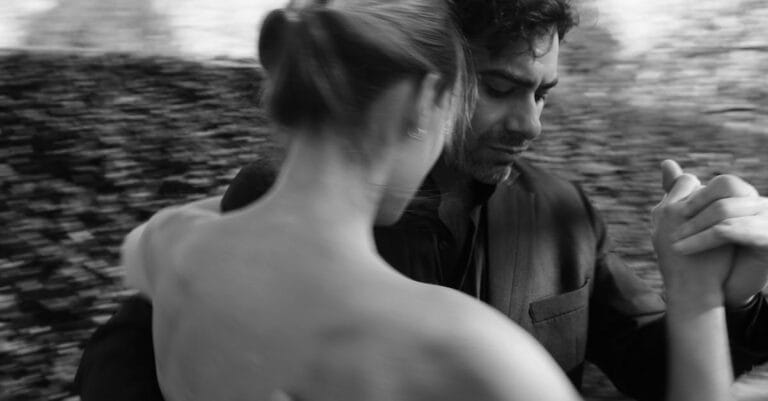
You’ve seen it — on stages, in videos, in carefully framed performances where everything is precise, dramatic, and controlled.
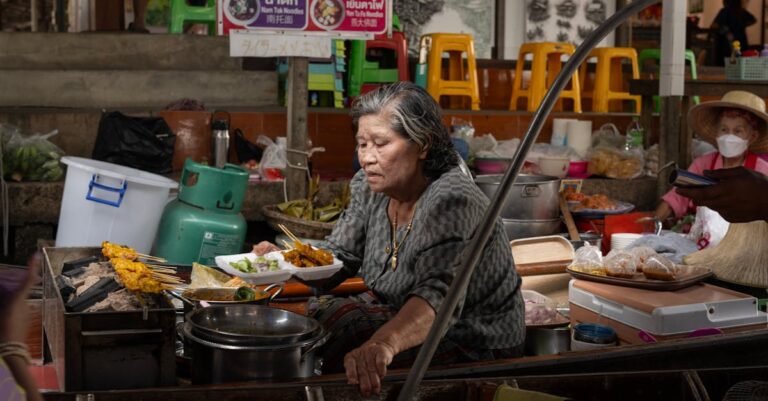
Along sidewalks, at intersections, inside markets, outside shops — food appears wherever there’s space for it.
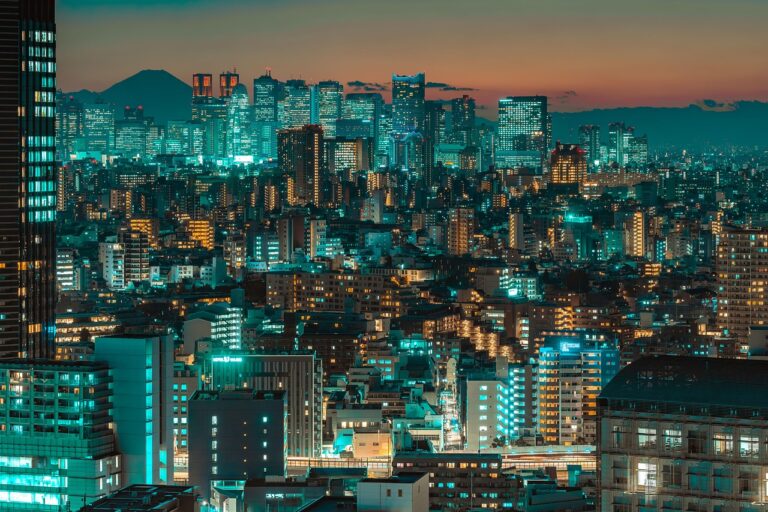
There are crowds, constant movement, layers of activity — but everything seems to follow an order that isn’t immediately explained.
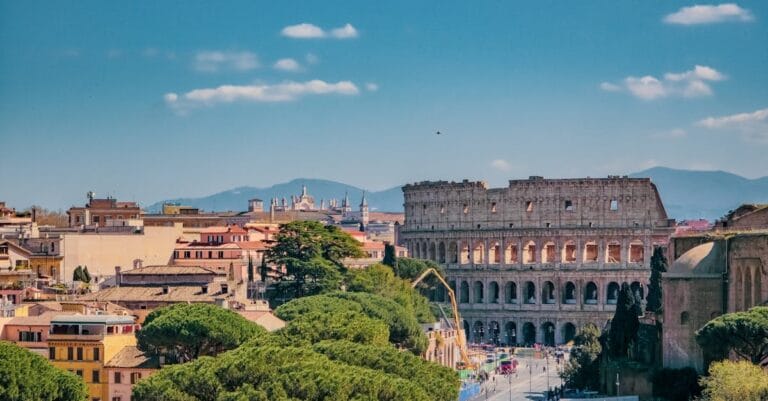
It doesn’t sit behind glass or stay confined to museums. It’s not something you visit for a few hours and then leave behind.
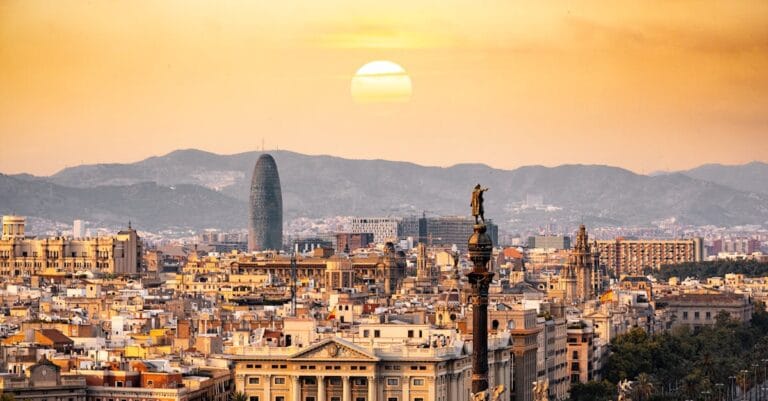
From Gaudí’s organic forms to the structured grid of the Eixample, to the narrow streets of the old city, everything feels connected.